
Key Takeaways
The essentials of Start of Summer in under a minute.
- This term: Start of Summer (立夏) is the 7th solar term of the 24-term year, running May 6 – May 20.
- What happens in nature: Daytime temperatures consistently exceed 20°C across most of eastern China — the first sustained warm of the year
- Why it matters: The shift from spring's gentle growth to summer's intensity changes everything — diet, movement, daily rhythm.
- Shift since last term: Growth shifts from establishment to rapid expansion
- Moving toward: Crops begin to fill and swell
- Start here: Begin with 16-Form Tai Chi with Front and Back Demonstration.
Core Definition
Summer officially begins. The natural world enters its most expansive and energetic phase.
The shift from spring's gentle growth to summer's intensity changes everything — diet, movement, daily rhythm.
Transition
How this term sits between what came before and what comes next
- ←Growth shifts from establishment to rapid expansion
- ←Temperature consistently exceeds 20°C
- →Crops begin to fill and swell
- →Heat and humidity intensify further
Phenology
What is happening in the natural world
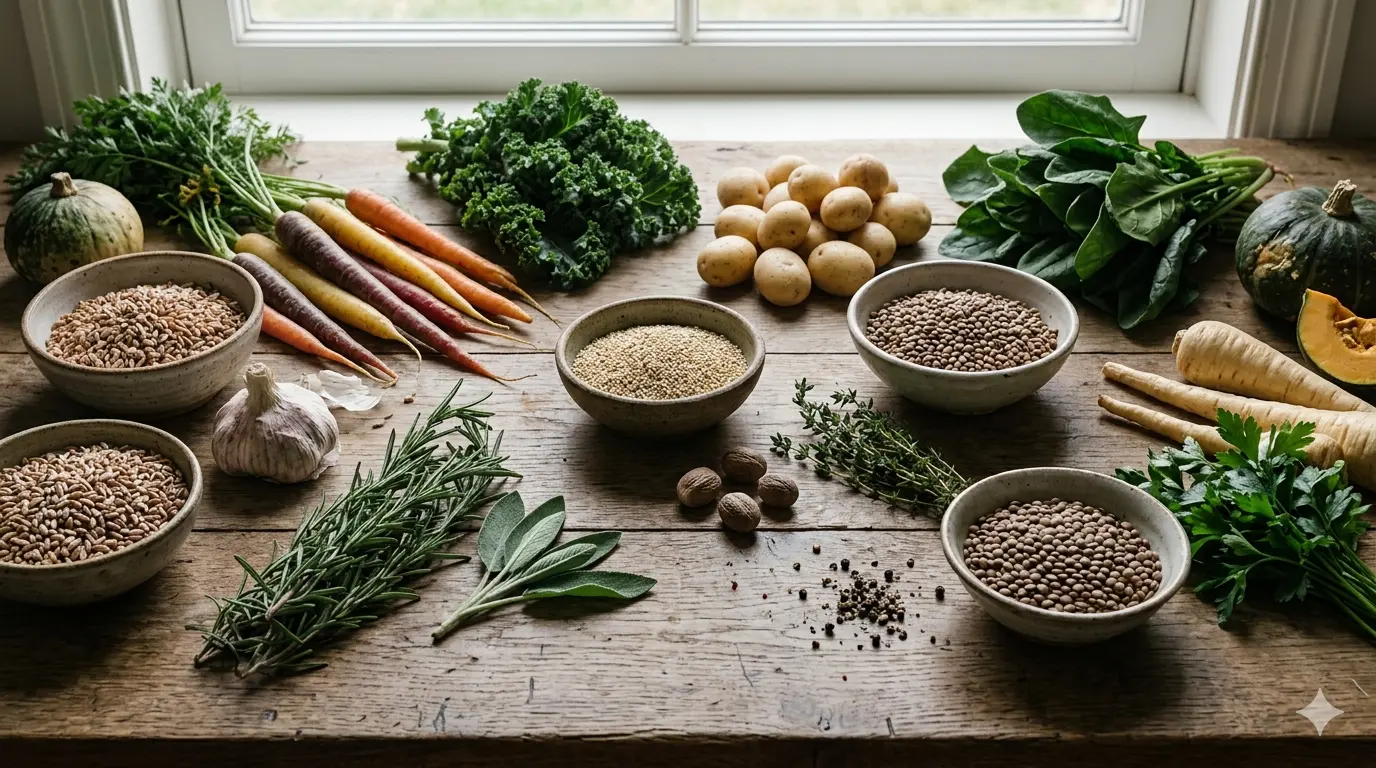
Cook It
The ingredients below are in season now, with how to actually cook them.
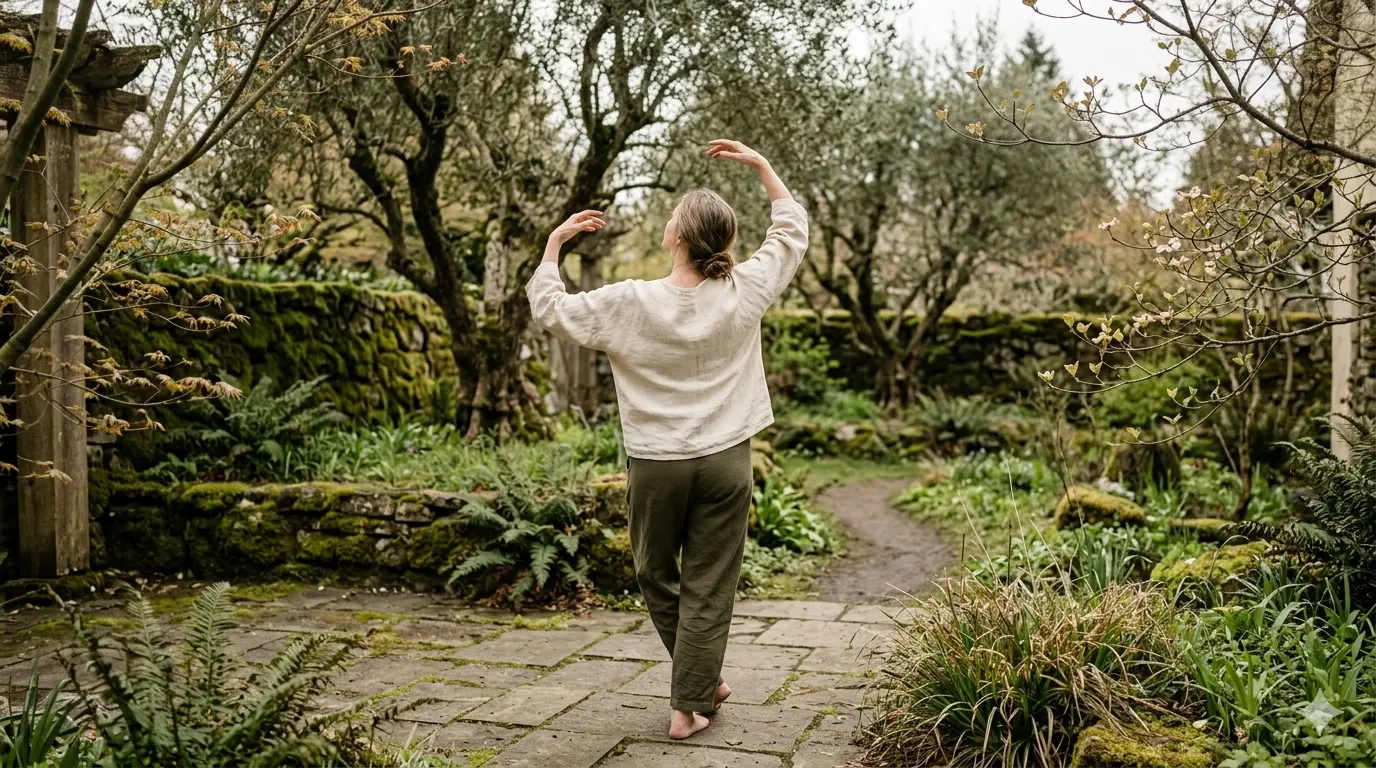
Move
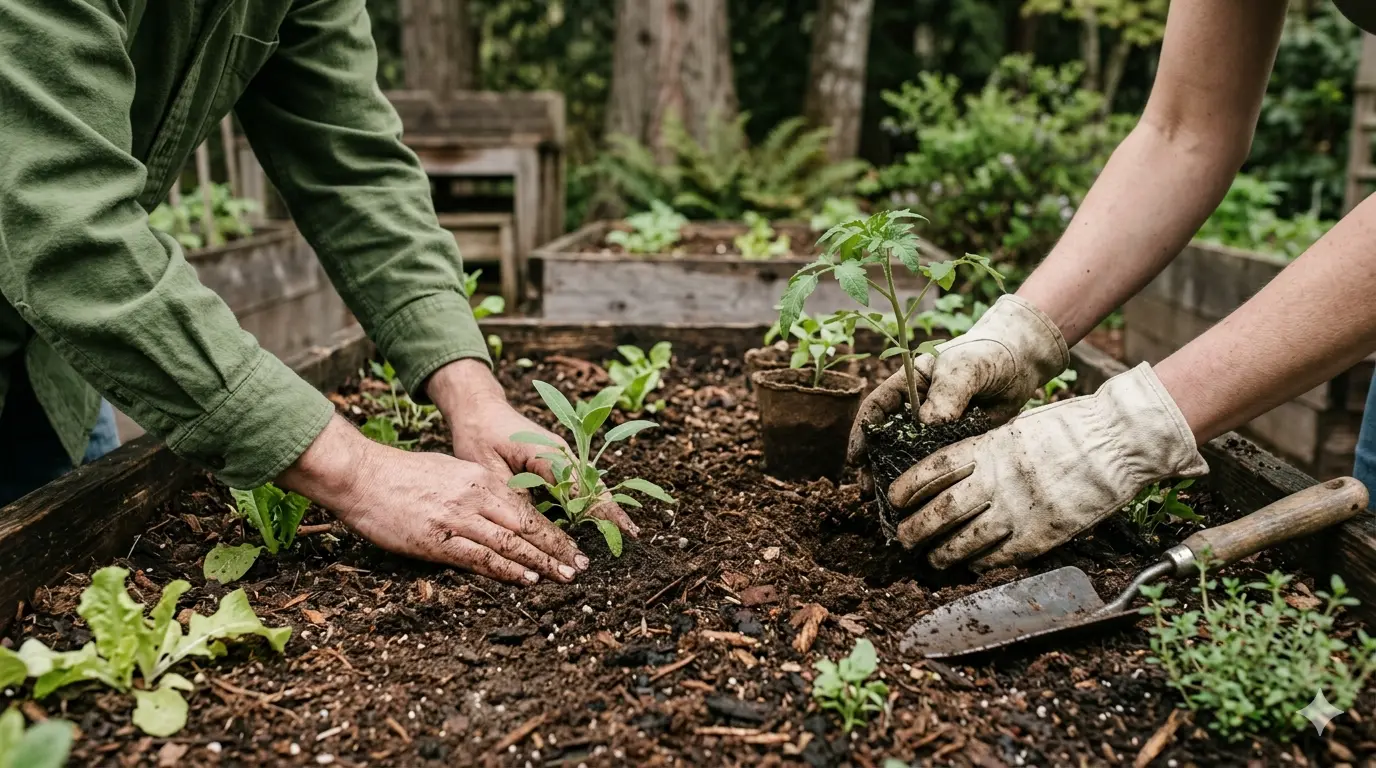
Grow & Cultivate
- Mulching becomes essential — soil moisture preservation is now the priority over anything else
- Warm-season crops (tomatoes, peppers, eggplant) enter rapid growth phase — stake and trellis before they sprawl
- Begin weekly irrigation schedule — inconsistent watering causes blossom-end rot and fruit splitting
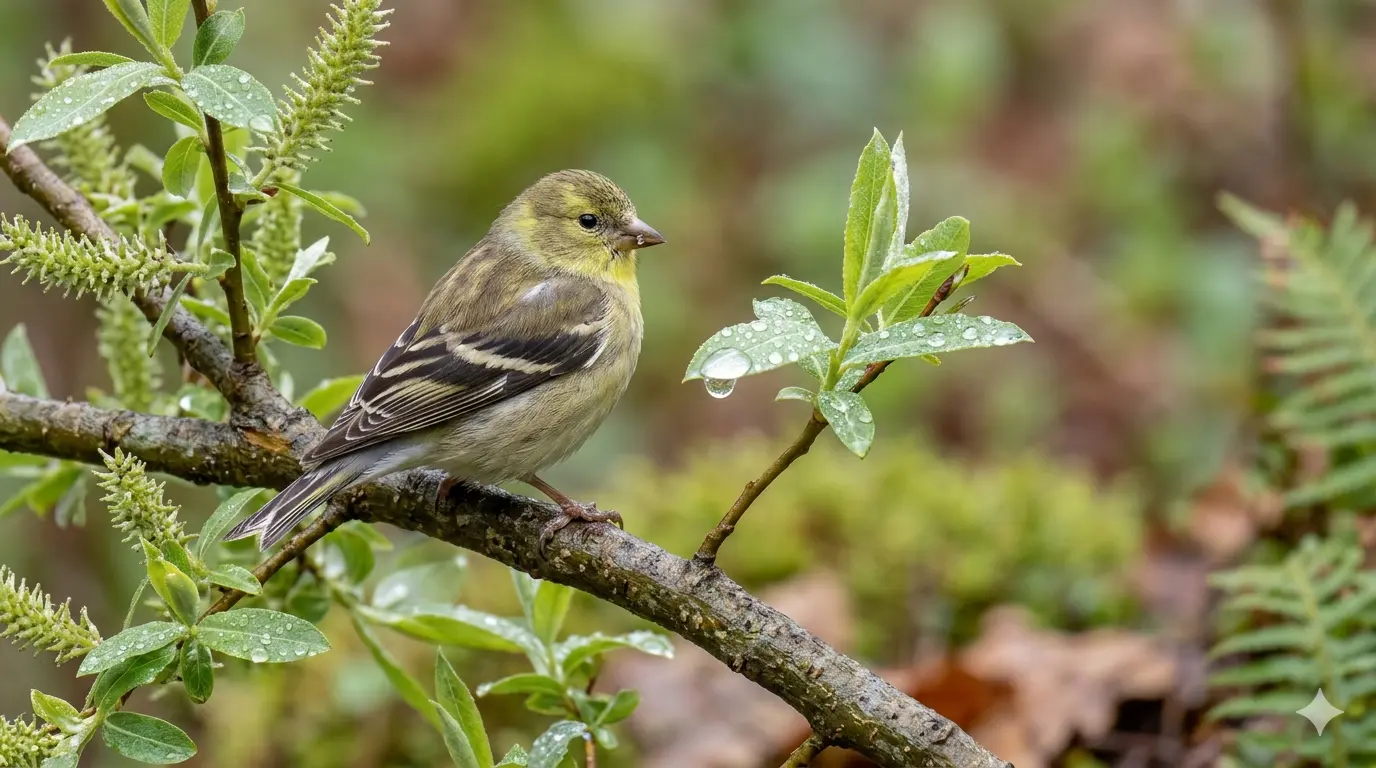
Ecology Signals
Animal behavior, migration, habitat changes
Cicada calls begin when soil at nymph depth warms sufficiently — commonly cited around 18°C in temperate regions, the sound traveling up to 1 km and intensifying daily
First fireflies appear at woodland edges after sunset; their bioluminescent flashes are mating signals timed to warm, still evenings
Frog calling reaches maximum intensity near rice paddies and ponds — the combined volume indicates wetland ecosystem health
Reflection
“Expansion is natural — but unmanaged expansion becomes exhaustion. The summer body needs pacing, not pushing”
“Preserve your inner coolness even as the outer world heats up — this is not a metaphor, it is a physiological survival strategy”
Taoist Reflection
This term's seasonal wisdom echoes a deeper theme in Taoist philosophy. Explore it further on Tales With Lee:
Wu Wei: The Art of Non-ActionSeasonal Essay
A deeper look at this solar term
Start of Summer marks the official beginning of the hottest season. Unlike the dramatic solstice that comes later, this term is about the shift in quality: the air thickens, the light extends, and the pace of biological activity reaches its annual peak.
The transition from spring is decisive. Where Grain Rain was about receiving nourishment, Start of Summer is about managing abundance. Growth is no longer gentle — it is aggressive. Plants that were seedlings in April are now waist-high. The work of the season shifts from planting to maintenance: watering, mulching, pest watching, harvest timing.
In traditional practice, summer is associated with the heart — not just the physical organ but the capacity for joy, connection, and outward expression. Practices emphasize keeping the chest open without overheating the body. Foods shift decisively toward cooling ingredients: cucumber, leafy greens, light preparations. The emphasis is on sustaining energy through the long, hot days rather than building it.
The practices that match this association are small and precise. A Heart-Opening Morning Stretch — slow chest expansion with the breath — establishes openness for the day without generating heat. An Evening Cooling Breath, practiced as the sun drops, lowers body temperature deliberately after the day’s accumulation. The principle behind both is pacing rather than pushing: expansion is natural at Start of Summer, but unmanaged it becomes exhaustion. Preserving inner coolness is physiological, not metaphorical — it is the difference between a summer that builds you and one that burns you.
This term points toward Grain Full, when crops will begin to swell, and the heat will intensify further. The body now benefits from establishing summer rhythms — early morning activity, midday rest, evening cool-down — that will carry through the season.
The natural world announces the shift with a full sensory chorus. Daytime temperatures now exceed 20°C across most of eastern China, and in southern regions the first cicadas begin their call — proof that soil temperature has crossed 18°C, a threshold the loudest summer insects wait for. Around Jiangnan, frog chorusing at dusk reaches peak volume near the paddies, and the first fireflies appear at woodland edges 30-60 minutes after sunset. Swallows feed nestlings through the day — five to seven young each — and ant colonies send out winged reproductives on mating flights. The landscape has turned from spring’s green promise to summer’s full abundance.
In the garden, the work shifts from planting to maintenance. Mulching becomes essential as soil temperatures climb — a 5 cm layer slows evaporation and keeps root zones cool. Stake and trellis the climbing crops before they collapse under their own weight. Water deeply once a week rather than shallowly every day, which prevents the uneven moisture that causes blossom-end rot in tomatoes and peppers. Work in the cool hours and let the afternoons belong to rest, a rhythm the season itself insists upon. Grain Full continues the arc into the fullness of early summer.
Frequently Asked Questions about Start of Summer
Quick answers to common questions about Start of Summer (立夏) — its dates, foods, and natural signs.
What is Start of Summer (立夏) and what does it signify?
Start of Summer (立夏, Lìxià) is the seventh solar term and the first of the summer season. It marks the official beginning of the hottest season, when the natural world enters its most expansive and energetic phase. The shift from spring is decisive — growth is no longer gentle but aggressive, and the body's needs shift from building warmth to managing heat. In traditional Chinese thought, summer is associated with the heart — the capacity for joy, connection, and outward expression.
When does Start of Summer occur and how does the weather change?
Start of Summer typically falls around May 5–7 each year and lasts about 15 days until Grain Full (小满). In 2026, it runs from May 6 to May 20. Daytime temperatures consistently exceed 20°C across most of eastern China for the first sustained warm period of the year. Trees reach full leaf canopy, morning dew becomes heavy and persistent, and in southern regions the first cicadas begin their call — proof that soil temperature has crossed 18°C (see Wikipedia, 'Periodical cicadas').
What foods should I eat during Start of Summer?
Summer foods shift decisively toward cooling ingredients. Traditional recommendations include cooling cucumber and wood ear salad, lightly steamed seasonal greens with ginger, and light preparations that don't heat the body further. The emphasis is on hydration and easy digestion — fruits with high water content, leafy greens, and foods that support the heart, which in traditional Chinese medicine is the organ associated with summer. Avoid heavy, greasy, or excessively spicy foods.
What health and exercise practices are recommended for Start of Summer?
Summer practices emphasize keeping the chest open without overheating the body. Recommended activities include heart-opening morning stretches, evening cooling breath practices, and exercise during the cooler morning and evening hours. The key principle is pacing — expansion is natural but unmanaged expansion becomes exhaustion. The summer body needs gentle, consistent activity rather than pushing harder. Midday rest becomes important as temperatures rise.
What natural changes mark the arrival of Start of Summer?
Start of Summer brings dramatic visible changes: trees reach full leaf canopy as forest understory shifts from sun to dappled shade, first fireflies appear at woodland edges after sunset, frog chorusing at dusk reaches peak volume near rice paddies, swallows actively feed nestlings throughout the day, and ant colonies expand visibly with winged reproductives appearing for mating flights. The landscape is transformed from spring's green promise to summer's full abundance.
Start of Summer is part of The Way of Nature Atlas — a broader exploration of ecological wisdom.