

Key Takeaways
The essentials of Grain Full in under a minute.
- This term: Grain Full (小满) is the 8th solar term of the 24-term year, running May 21 – June 5.
- What happens in nature: Winter wheat heads are plump but still green — kernels hold milky fluid rather than hard starch, about 2 weeks from full ripeness
- Why it matters: This term teaches the patience of the almost-ready: small abundance is enough, fullness comes later.
- Shift since last term: Rapid growth slows to measured filling — the landscape shifts from expansion to accumulation
- Moving toward: Patience ends — the grain that was filling must now be harvested
- Start here: Begin with Baduanjin Breathing: A Practitioner Guide.
Core Definition
Grains begin to fill but are not yet mature — abundance is visible but not yet complete.
This term teaches the patience of the almost-ready: small abundance is enough, fullness comes later.
Transition
How this term sits between what came before and what comes next
- ←Rapid growth slows to measured filling — the landscape shifts from expansion to accumulation
- ←Heat becomes sustained rather than newly arrived; the body now needs steady cooling practices, not one-time adaptation
- →Patience ends — the grain that was filling must now be harvested
- →The body shifts from managing sustained warmth to supporting peak-season exertion
Phenology
What is happening in the natural world
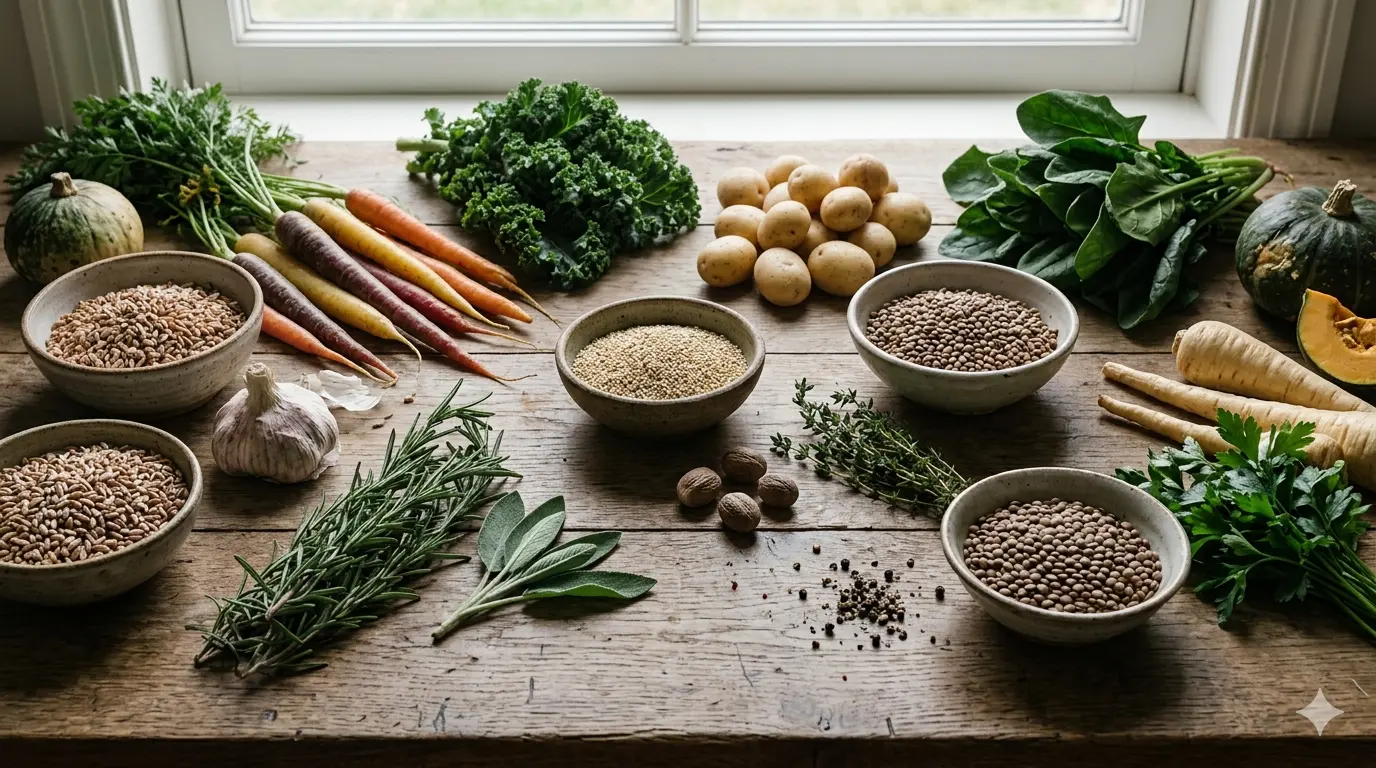
Cook It
The ingredients below are in season now, with how to actually cook them.
Move
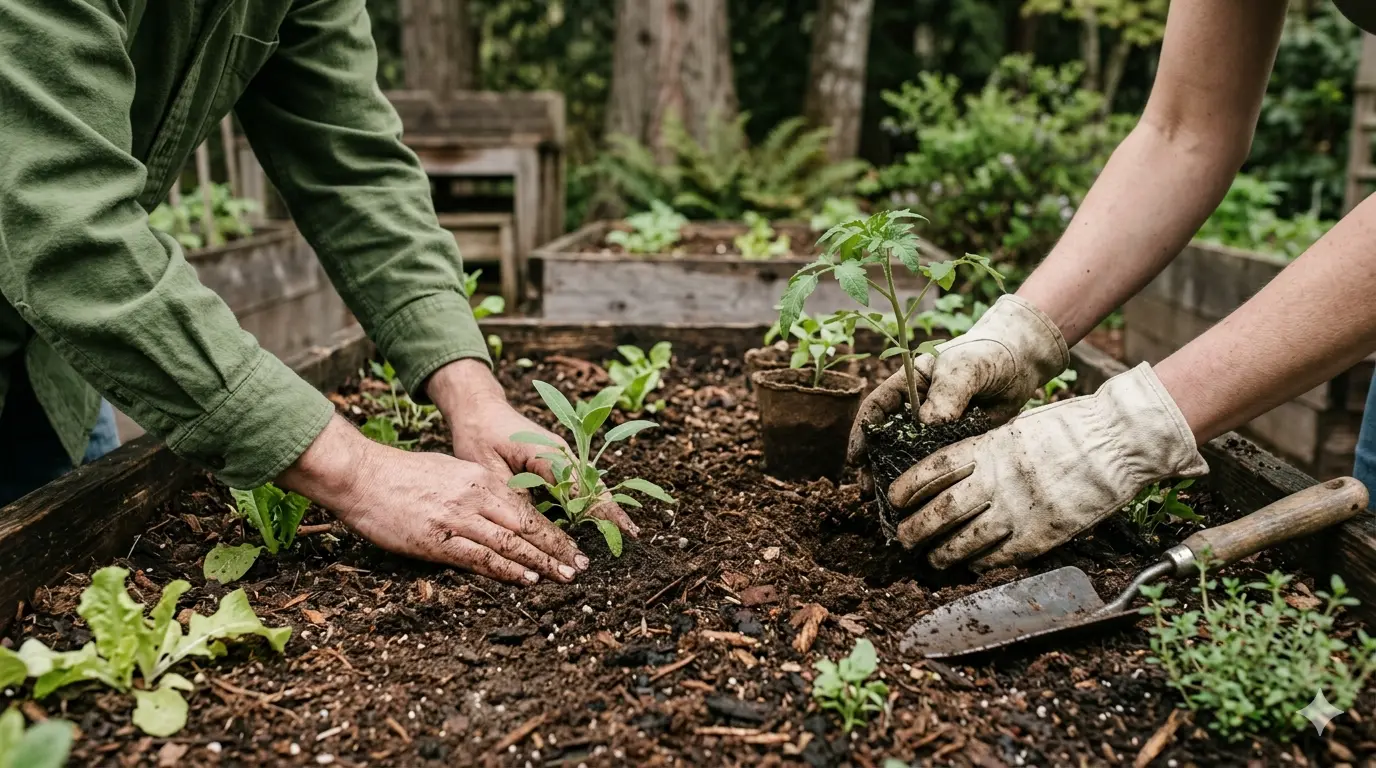
Grow & Cultivate
- Monitor grain development daily — kernel milk-line progression tells you exactly how many days until harvest
- Scout for early aphids and flea beetles on warm-season vegetables before populations explode in the coming heat
- Maintain consistent irrigation — grain filling is the most water-sensitive growth stage of the entire crop cycle
Ecology Signals
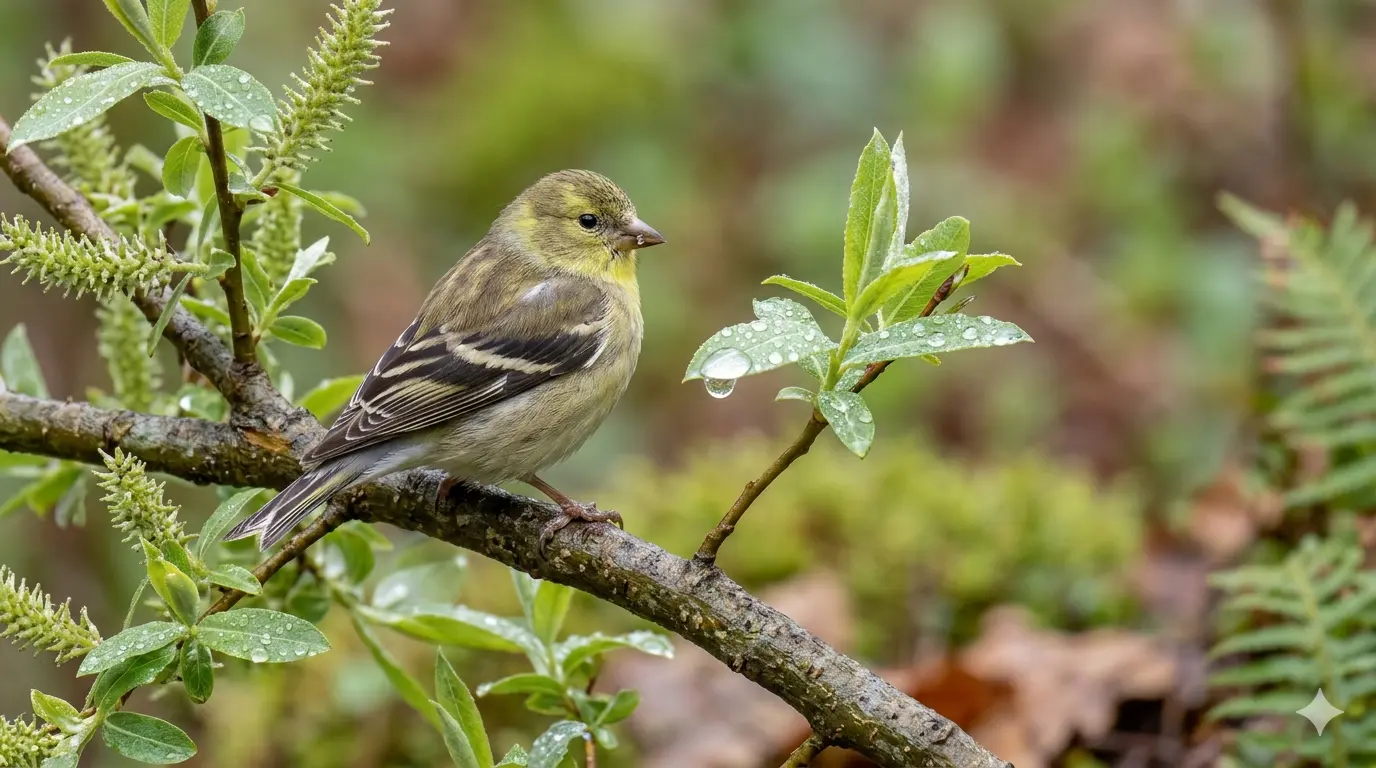
Animal behavior, migration, habitat changes
Frogs at maximum calling activity in rice paddies and ponds — Pelophylax and Fejervarya species dominate the soundscape at dusk
Dragonflies appear in large numbers over still water — adults hunt mosquitoes and flies, each consuming hundreds per day
Winter wheat enters the milk stage — kernel contents shift from clear liquid to milky starch, indicating 10-14 days until harvest readiness
Reflection
“Small abundance is enough — the grain is filling, the fruit is ripening, and nothing needs to be forced. Fullness comes in its own time”
“The almost-ripe carries its own distinct value. Something can nourish you long before it is everything it could become”
Taoist Reflection
This term's seasonal wisdom echoes a deeper theme in Taoist philosophy. Explore it further on Tales With Lee:
Humility in TaoismSeasonal Essay
A deeper look at this solar term
Grain Full (小满) marks a moment of particular wisdom in the Chinese seasonal system — the recognition that fullness comes in degrees and that partial completion has its own distinct value. Unlike the more obviously dramatic solar terms that announce extremes of heat or cold, Grain Full speaks to the intermediate state, the in-between that we so often rush past on our way to somewhere else.
The name itself tells the story. The character 满 means full, but the prefix 小 — small — modifies it. This is not the fullness of harvest, not the overflowing abundance of autumn granaries. This is the first visible swelling of grain heads in the field, the moment when you can see that something is forming, even though it is not yet ready to be gathered. A farmer walking through wheat fields during Grain Full sees heads that are plump but green, heavy with developing kernels that still hold moisture rather than the dry hardness of ripe grain. The promise is visible. The reality is still unfinished.
This agricultural observation carries psychological weight. In a culture that often demands completion and finality, Grain Full offers permission to value the almost-ready. There is genuine abundance present during this term — the first summer fruits appear at markets, the landscape has achieved its full green density, rice paddies glow with vigorous early growth — but none of it represents a final state. Everything is in motion, approaching its peak but not yet arrived.
The ecological world mirrors this partial fullness. Frogs reach their maximum calling intensity in paddies and ponds, their chorus at full volume even as summer’s heat has not yet peaked. Dragonflies emerge in great numbers, patrolling the edges of still water with the precision of creatures whose entire design serves a single purpose. These are not the exhausted creatures of late summer but the energetic, rising life forms of early warmth.
Moderate Flow Qigong and the Midday Cooling Breath address the body’s needs during this term. The impulse during warming weather is often to push harder, to match the rising energy with increased activity. Grain Full counsels otherwise — moderate your flow, cool your center, recognize that the season of peak exertion has not yet arrived. Small abundance is enough for small practice. The body, like the grain, is still filling.
This is the deep teaching of Grain Full: patience with the process of becoming. Something can be enough long before it is everything it could be. The grain heads will continue filling. Summer will reach its peak. But right now, in this in-between, there is already plenty to nourish body and spirit alike. This recognition that fullness comes in degrees — and that eating seasonally means honoring the almost-ready as much as the finished — is explored in the Atlas essay on seasonal eating. The season’s abundance began turning with the Start of Summer, and it will continue filling toward the urgency of Grain in Ear.
Frequently Asked Questions about Grain Full
Quick answers to common questions about Grain Full (小满) — its dates, foods, and natural signs.
What is Grain Full (小满) and what does its name mean?
Grain Full (小满, Xiǎomǎn) is the eighth solar term, marking a moment of particular wisdom in the Chinese seasonal system. The name literally means 'small fullness' — the character 满 means full, but the prefix 小 (small) modifies it. This is not the fullness of harvest but the first visible swelling of grain heads in the field, when you can see that something is forming even though it's not yet ready to be gathered. It teaches that partial completion has its own distinct value.
When does Grain Full occur and what defines this solar term?
Grain Full typically falls around May 20–22 each year and lasts about 15 days until Grain in Ear (芒种). In 2026, it runs from May 21 to June 5. During this term, winter wheat heads are plump but still green — kernels hold milky fluid rather than hard starch, about two weeks from full ripeness (see Wikipedia, 'Cereal growth staging scales'). Foliage reaches its fullest density before summer's peak heat, making this the greenest period of the entire year. Warm, intermittent rain nourishes the swelling grain.
What foods are traditionally eaten during Grain Full?
Grain Full foods reflect the in-between nature of the season. Traditional recommendations include light grain porridge that honors the swelling grain, stir-fried wheat gluten with seasonal vegetables, and the first summer fruits that appear at markets — loquats, early peaches, and the first melons of the year. The emphasis is on moderate, nourishing foods that neither weigh the body down nor heat it excessively. Moderate Flow Qigong and Midday Cooling Breath complement this approach.
What does Grain Full teach about patience and contentment?
Grain Full carries a deep psychological teaching: small abundance is enough. In a culture that often demands completion and finality, this term offers permission to value the almost-ready. The grain is filling, the fruit is ripening, and nothing needs to be forced — fullness comes in its own time. Something can nourish you long before it is everything it could become. This principle applies to personal growth, creative projects, and seasonal living alike.
What natural phenomena can I observe during Grain Full?
Grain Full offers rich natural observations: rice paddies in Jiangnan turn fully green as transplanted seedlings establish tillers, dragonflies patrol pond edges in large numbers (their nymphs are the top aquatic predators in still water), first summer fruits appear at markets, thunderheads build in late afternoon but rarely break — the atmosphere is charging but not yet releasing. Frogs reach their maximum calling intensity, and the landscape achieves its deepest green saturation of the entire year.
Grain Full is part of The Way of Nature Atlas — a broader exploration of ecological wisdom.