When Does Autumn Start? Astronomical, Meteorological, and Seasonal Dates Explained
Autumn does not have one start date. Meteorological autumn begins September 1. Astronomical autumn starts at the equinox, around September 22–23. In the 24 solar terms, autumn begins earlier, with Start of Autumn around August 7–8. Each system measures a different kind of seasonal change.
Autumn can start on different dates depending on the system you use. Meteorological autumn begins September 1. Astronomical autumn begins at the autumn equinox, around September 22–23 in the Northern Hemisphere. In the 24 solar terms, autumn begins earlier, with Start of Autumn around August 7–8. The difference exists because each system measures a different kind of seasonal change.
If you search for “when does autumn start,” you will get conflicting answers — and none of them are wrong. The confusion is not a mistake. It is the result of different measurement systems answering different questions.
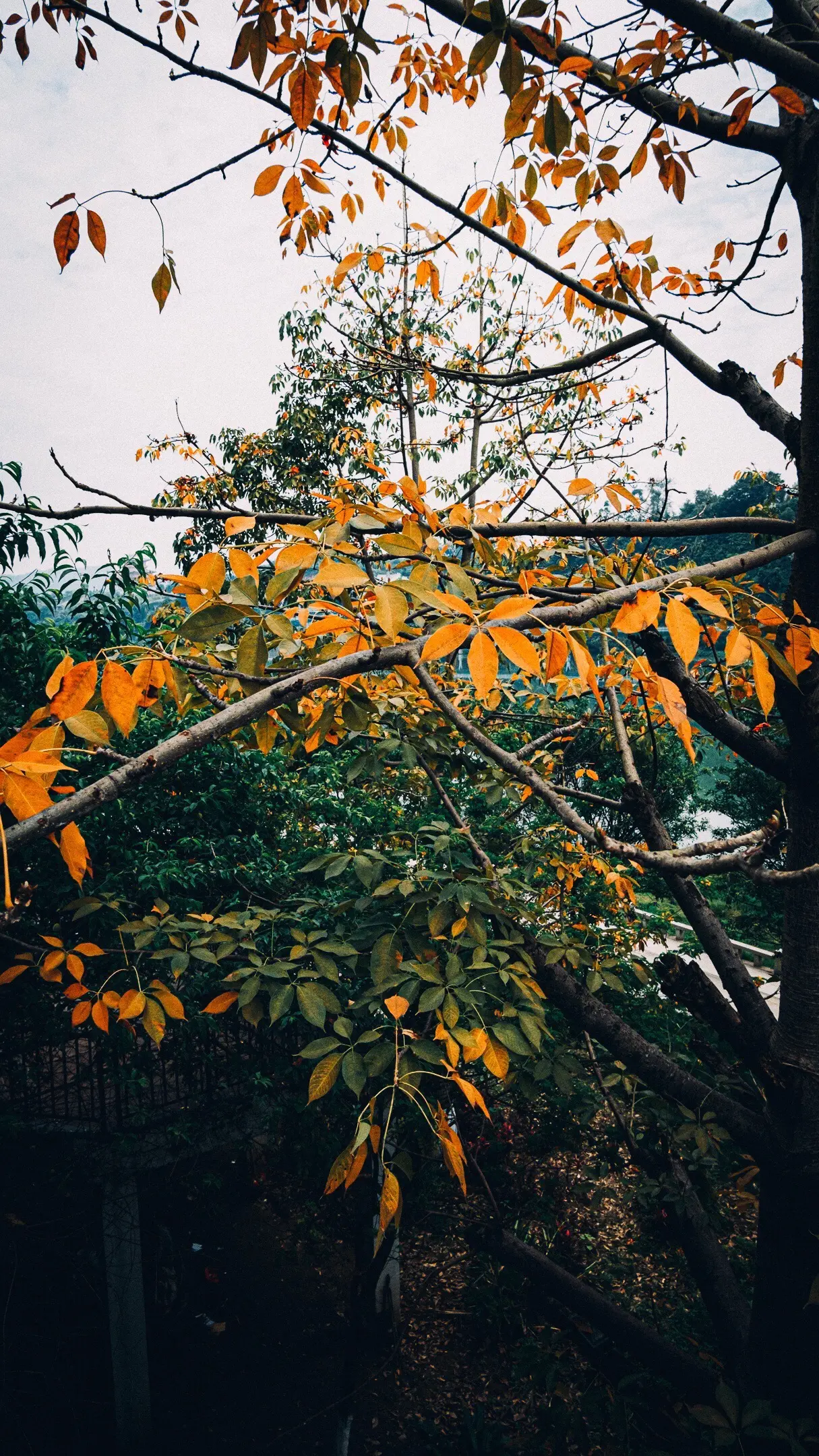
Understanding the Four Autumn Start Dates at a Glance
| System | Autumn starts | What it measures |
|---|---|---|
| Meteorological autumn | September 1 | Climate reporting by month |
| Astronomical autumn | Around September 22–23 | Earth’s tilt and the autumn equinox |
| 24 solar terms | Around August 7–8 — Start of Autumn (立秋, Lìqiū) | Seasonal energy / calendar transition |
| Lived / ecological autumn | Varies by region | Temperature, leaf color, harvest, daylight length |
Each of these answers is valid for a different purpose. Understanding why they differ reveals more about the nature of seasonal change than any single date ever could.
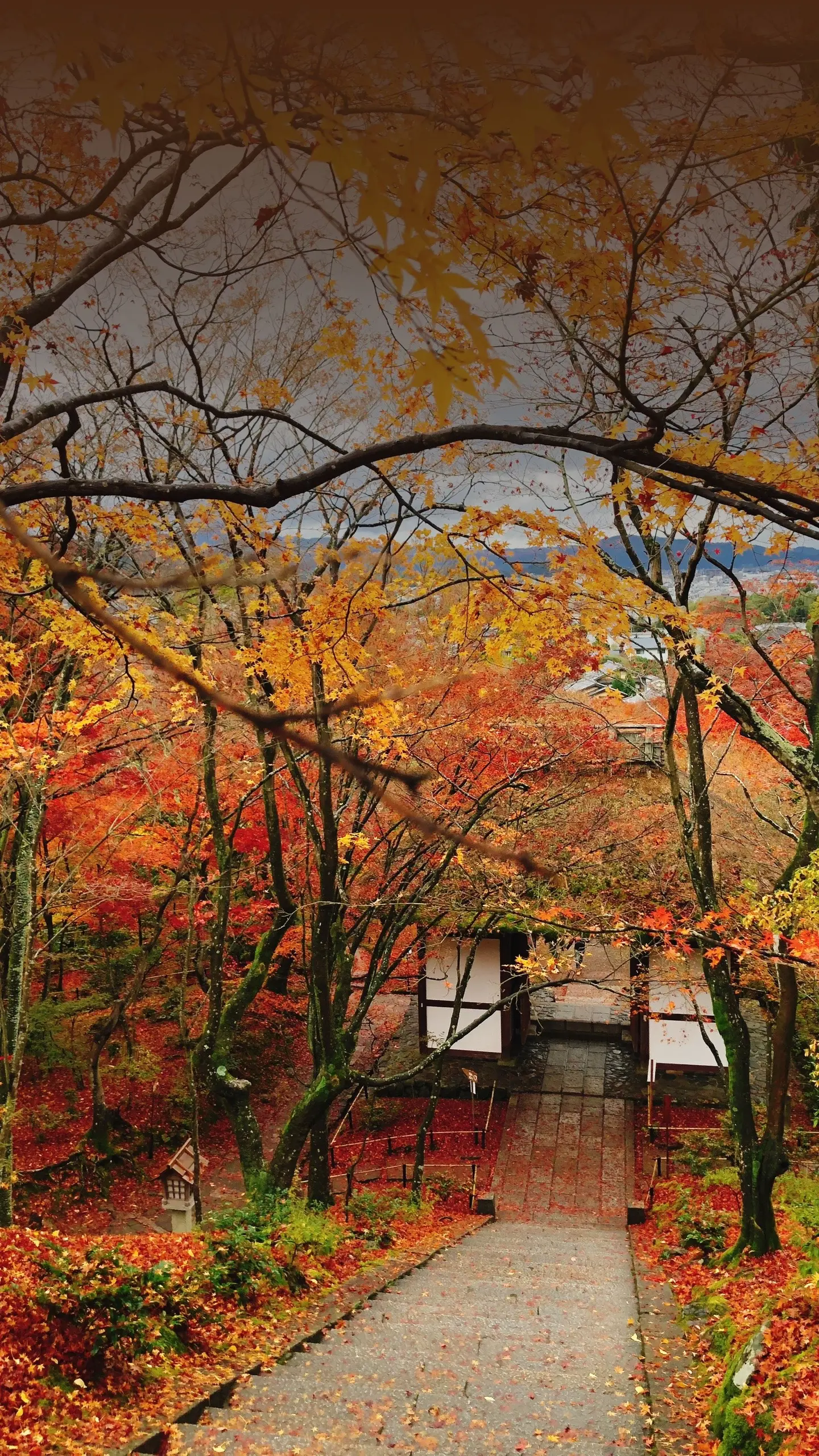
Meteorological Autumn: Why September 1 Is the Weather Answer
Meteorologists and climatologists use a simple rule: autumn is September, October, and November. This is the meteorological definition, adopted for practical data consistency.
The logic is straightforward. Climate records need standardized comparison periods. If autumn started on a different calendar date each year (as the equinox does), comparing year-over-year temperature data would require adjusting every dataset. By fixing autumn to full calendar months, meteorologists can run clean statistics — seasonal averages, anomaly comparisons, and long-term climate trend analysis — without the complication of astronomical drift.
This is why weather forecasts and climate reports use September 1 as the autumn start date. It is a data convenience, not a claim about when the weather actually turns. And that distinction matters.
What meteorological autumn is good for: weather statistics, climate research, and any application that needs consistent date boundaries for record-keeping.
What it is not: a description of felt seasonal experience. In most Northern Hemisphere locations, September 1 still feels like summer.
Astronomical Autumn: Why the Equinox Is the Sun Answer
The autumn equinox — occurring around September 22–23 — is the moment when the Sun crosses the celestial equator from north to south. On this day, day and night are nearly equal in length everywhere on Earth.
This definition is grounded in the Earth’s axial tilt of approximately 23.4 degrees. As our planet orbits the Sun, the Northern Hemisphere tilts progressively away from the Sun after the summer solstice. The equinox marks the halfway point between solstices: the balance moment before the Northern Hemisphere enters its darker half of the year.
Astronomical autumn runs from the autumn equinox to the winter solstice (around December 21). It is the oldest formal definition of the season, tied directly to observable solar behavior.
The astronomy behind it is precise, but what matters for seasonal living is the human-scale effect: daylight is shrinking, and the rate of change is accelerating. After the equinox, each day loses several minutes of light compared to the previous one — a perceptual shift that many people register before the temperature catches up.

For a deeper dive into the equinox itself, see our Autumn Equinox term page — exact 2026 dates, foods, and the science of the season’s balance point.
Start of Autumn in the 24 Solar Terms
The 24 solar terms (节气, jiéqì) place autumn’s beginning much earlier — around August 7–8 each year — at a point called Start of Autumn (立秋, Lìqiū).
This is often the most surprising answer for readers accustomed to the equinox or meteorological calendars. Why would an ancient system place the start of autumn nearly six weeks before the equinox?
The answer lies in what the solar terms measure.
Unlike the astronomical equinox (which tracks the Sun’s position relative to the celestial equator) or meteorological seasons (which optimize for data consistency), the 24 solar terms track directional energy shifts in the natural world. Start of Autumn does not claim that the weather turns cool on August 7. It marks the moment when the direction of seasonal energy changes — from expansion (summer’s outward, rising yang energy) to contraction (autumn’s inward, settling yin energy).
In climate terms, this shift is real but subtle. The sun’s angle changes noticeably after early August. The rate of daylight loss accelerates. The hottest days of the year (typically during Major Heat, which ends around August 6) have passed their statistical peak, even if the actual temperature remains high.

For a full seasonal overview, see the Start of Autumn solar term page, or our detailed Start of Autumn guide which covers the traditions, food, and 72 pentads of Liqiu in depth.
Important clarification: Start of Autumn does not mean the weather becomes cool. It marks the first directional turn — the seed of autumn planted in the heat of summer. The actual cooling lags by several weeks, which leads to the next section.
Why Autumn Feels Late Even After It “Starts”
One of the most common questions I receive as a climate researcher is: “If autumn starts on August 7 (or September 1), why does it still feel like summer in October?”
The answer is seasonal lag — the delay between a solar signal and its observable effect on temperature.
The Earth’s land and oceans absorb heat throughout summer. By August, the Northern Hemisphere’s thermal mass — the accumulated heat stored in soil, water, and urban infrastructure — is at its peak. Even after the sun’s angle decreases and daylight shortens, the stored heat continues to radiate into the atmosphere for weeks.
This is why:
- Start of Autumn (August 7–8) is followed by Limits of Heat (处暑, Chùshǔ, around August 23) — literally “end of heat” — acknowledging that the hottest days are passing but residual heat persists.
- The autumn equinox (September 22–23) arrives while many regions still experience temperatures that feel like summer.
Regional factors amplify this effect:
- Latitude: Higher latitudes experience more dramatic seasonal lag because of stronger solar angle variation.
- Ocean proximity: Coastal regions warm and cool more slowly than inland areas.
- Urban heat islands: Cities retain more thermal mass, delaying observable cooling.
- Elevation: Higher elevations cool faster, but also warm faster in spring.
Understanding seasonal lag transforms the question from “when does autumn start?” to “which signal of autumn’s arrival are you tracking?”

Which Autumn Start Date Should You Use?
There is no single correct answer. The right choice depends on what you need the date for.
| Your purpose | Use this system |
|---|---|
| Calendar, school terms, holidays | Meteorological autumn (September 1) |
| Astronomy, sky observation | Equinox (September 22–23) |
| Seasonal living, traditional practice | Start of Autumn (August 7–8) — begin preparation |
| Gardening, food, lifestyle | Local ecological signs — watch your own region |
| Personal seasonal transition | Start of Autumn for early preparation; equinox as balance point |
For the reader interested in seasonal living — adjusting routines, diet, and mindset to the turn of the year — the most useful framework is to use Start of Autumn as the signal to begin preparing and the equinox as the moment of balanced transition.

Each of those answers rests on a precise astronomical moment rather than a fixed calendar date. Find your solar term by date: enter a date to find its corresponding solar term and the exact time that term begins, shown in Beijing time (UTC+8). Open the Solar Terms Calculator → — it covers 1950 through 2100.
What the Beginning of Autumn Asks You to Do
If seasonal change is measured differently by different systems, the practical question becomes: what does each signal ask of me?
Start of Autumn, which arrives in early August while summer heat still dominates, asks for early preparation:
- Adjust daily routines toward earlier mornings and evenings as daylight shortens
- Begin observing the natural world more closely — leaf color, insect activity, the angle of evening light
- Plan the garden harvest and pantry transition from summer abundance to autumn storage
- Shift from expansion (summer’s outward activity) to consolidation (autumn’s gathering inward)
For a deeper guide on how to prepare for Start of Autumn — including traditions, seasonal foods, and wellness practices — see our Start of Autumn guide.
The equinox, arriving in late September, asks for balance — the equal day and equal night of the equinox is a natural permission point for recalibration.
But this guide answers when autumn starts. The deeper question — why the turn matters — belongs to a different kind of writing.
If you want to understand why autumn begins with letting go, read the companion essay on Tales With Lee. It explores the seasonal skill of release — not as a metaphor, but as something you practice.
For seasonal food guides and recipes that align with autumn’s transition, explore our seasonal produce guides. For a comprehensive overview of the 24 solar terms, see the Solar Terms FAQ.
Frequently Asked Questions
Quick answers about when does autumn start? astronomical, meteorological, and seasonal dates explained.
When does autumn start in 2026?
In 2026, Start of Autumn (24 solar terms) falls on August 7. Meteorological autumn begins September 1. The autumn equinox falls on September 22–23. The exact astronomical equinox time should be confirmed from authoritative almanac data.
Is autumn September 1 or September 22?
Both are correct depending on the system. September 1 is the meteorological start — used for climate data and weather statistics. September 22–23 is the astronomical start — based on the equinox and the Earth's orbit. Neither is wrong; they answer different questions.
Why does the 24 solar terms calendar say autumn starts in August?
The 24 solar terms track directional energy rather than temperature. Start of Autumn (August 7–8) marks the moment when summer's expansion peaks and begins to yield to autumn's contraction. It does not claim the weather turns cool — it marks a shift in seasonal direction that happens weeks before the temperature follows.
Does Start of Autumn mean the weather gets cool?
No. Start of Autumn arrives during the year's hottest period in most regions. In traditional Chinese climate observation, this is the "autumn tiger" (秋老虎) period — residual summer heat that persists after the solar term has turned. Actual cooling typically arrives with the equinox or later, depending on latitude.
What is the difference between autumn equinox and Start of Autumn?
The autumn equinox is an astronomical event based on the Earth's orbit and axial tilt — it marks when day and night are equal. Start of Autumn is a solar term marking a directional shift in seasonal energy. The equinox is a balance point; Start of Autumn is a turning point.
When do leaves start changing?
Leaf color change is driven by temperature and daylight length, not a fixed date. In temperate regions of the Northern Hemisphere, the first color change typically begins in late August at higher latitudes and progresses through October at lower latitudes. Local conditions — drought, temperature, species — create significant variation.
Why does autumn feel short in some years and long in others?
The perceived length of autumn depends on the rate of temperature decline and the timing of the first frost. A slow cooling pattern with extended mild temperatures creates a "long autumn"; a rapid temperature drop with early frost creates a compressed one. Climate change is lengthening the growing season in many regions, which can delay observable autumn signals.
Does the 24 solar terms definition of autumn apply in the Southern Hemisphere?
The 24 solar terms were developed in the Yellow River region of China (Northern Hemisphere). In the Southern Hemisphere, the seasonal timing is reversed: the solar term that marks "Start of Autumn" in the north (August) corresponds to the beginning of spring in the south.
Related Solar Terms
Latest Articles
Recent guides and seasonal insights
From Dao of Seasons
Dumplings at Winter Solstice and Lunar New Year: Two Moments in the Seasonal Calendar
Explore why dumplings appear at China's Winter Solstice and Lunar New Year, how seasonal timing shapes food traditions, and why customs vary by region and family.
Cold Dew and Tai Chi: Moving Gently into Late Autumn
Explore Cold Dew, the 17th solar term, through seasonal Chinese wisdom and Tai Chi. Learn how to move, breathe, stay warm, and welcome late autumn.
Mid-Autumn Festival: the Full-Moon Harvest of the Third Quarter
Mid-Autumn Festival falls on lunar 8/15 — the full moon of the harvest month. In 2026 it lands on September 25, inside the same week as the equinox and the Harvest Moon. The traditions, foods, and moon-viewing culture of the year's great moon festival.
From Our Network
Winter Warming Stews — Lamb, Congee & Tang Yuan
Winter calls for deeply warming, nourishing foods that support the body through the coldest months. These three classic recipes — lamb stew, eight-treasure congee, and tang yuan — are traditional winter solstice fare.
How to Celebrate the Summer Solstice — Modern Ideas for Marking the Longest Day
The summer solstice is the peak of light — but you don't need a bonfire, ritual, or trip to Stonehenge to honor it. Here are modern, accessible celebration ideas from 5 minutes to a full day.
July Garden — Peak Summer Care and Harvest
July's garden demands daily attention. From deep watering strategies to succession planting, here's how to keep your garden productive through the hottest weeks of the year.
July Walking — Summer Strolls and Moonlit Rambles
Walking in July is about timing. Learn the best hours, routes, and practices for comfortable summer walking — from dawn patrols to night walks under the stars.
Solar Terms FAQ — Answers to Common Questions About All 24 Solar Terms
Comprehensive FAQ covering all 24 solar terms — what each term means, when it occurs, what foods to eat, how to practice seasonal wellness, and what natural changes to observe. Organized by season for easy browsing.
Written by The Way of Nature
Dao of Seasons is part of The Way of Nature ecosystem — a network of seasonal practice, food wisdom, and nature observation.
Meet our contributors →