


Key Takeaways
The essentials of Insects Awaken in under a minute.
- This term: Insects Awaken (惊蛰) is the 3rd solar term of the 24-term year, running March 6 – March 20.
- What happens in nature: First spring thunder — warm and cold air masses collide as the land surface heats
- Why it matters: This term marks the transition from potential to kinetic — everything that was dormant begins moving.
- Shift since last term: First thunder of the year becomes possible
- Moving toward: Day length catches up to night length for the first time
- Start here: Begin with Song: Releasing Tension From Head to Toe.
Core Definition
Spring thunder stirs the sleeping world. Insects emerge from hibernation and the pace of life quickens.
This term marks the transition from potential to kinetic — everything that was dormant begins moving.
Transition
How this term sits between what came before and what comes next
- ←First thunder of the year becomes possible
- ←Insect emergence begins across temperate zones
- →Day length catches up to night length for the first time
- →Growth shifts from sporadic to sustained
Phenology
What is happening in the natural world
Cook It
The ingredients below are in season now, with how to actually cook them.
Move
Grow & Cultivate
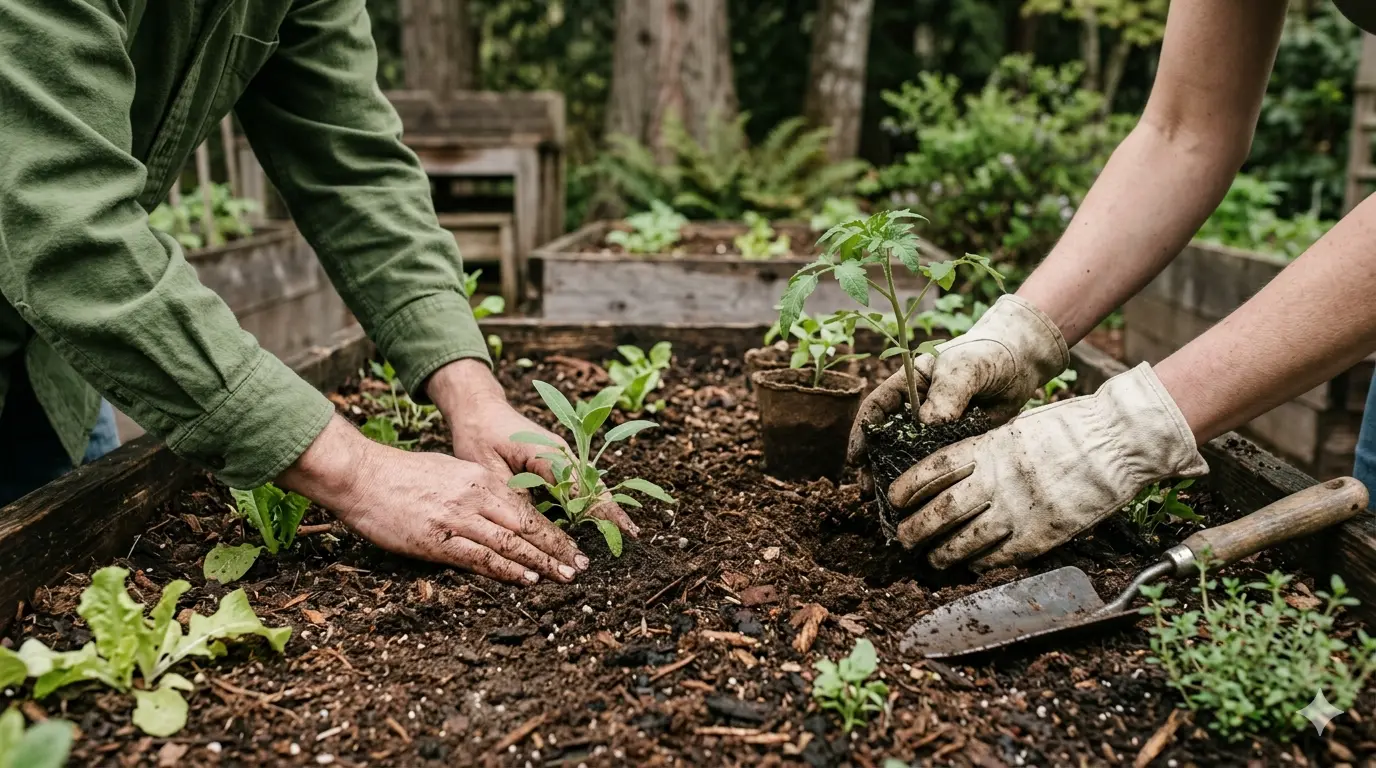
- Begin pest monitoring — place sticky traps and scout crop rows for first aphids and flea beetles
- Apply mulch to suppress early weed germination while soil moisture is high
- Transplant cool-weather seedlings started indoors during Rain Water
Ecology Signals
Animal behavior, migration, habitat changes
Ground beetles, bees, and butterflies appear in sequence as soil crosses 10°C; not all species emerge at once
Frogs begin dusk choruses within days of first insect emergence — Pelophylax species call first in rice paddies
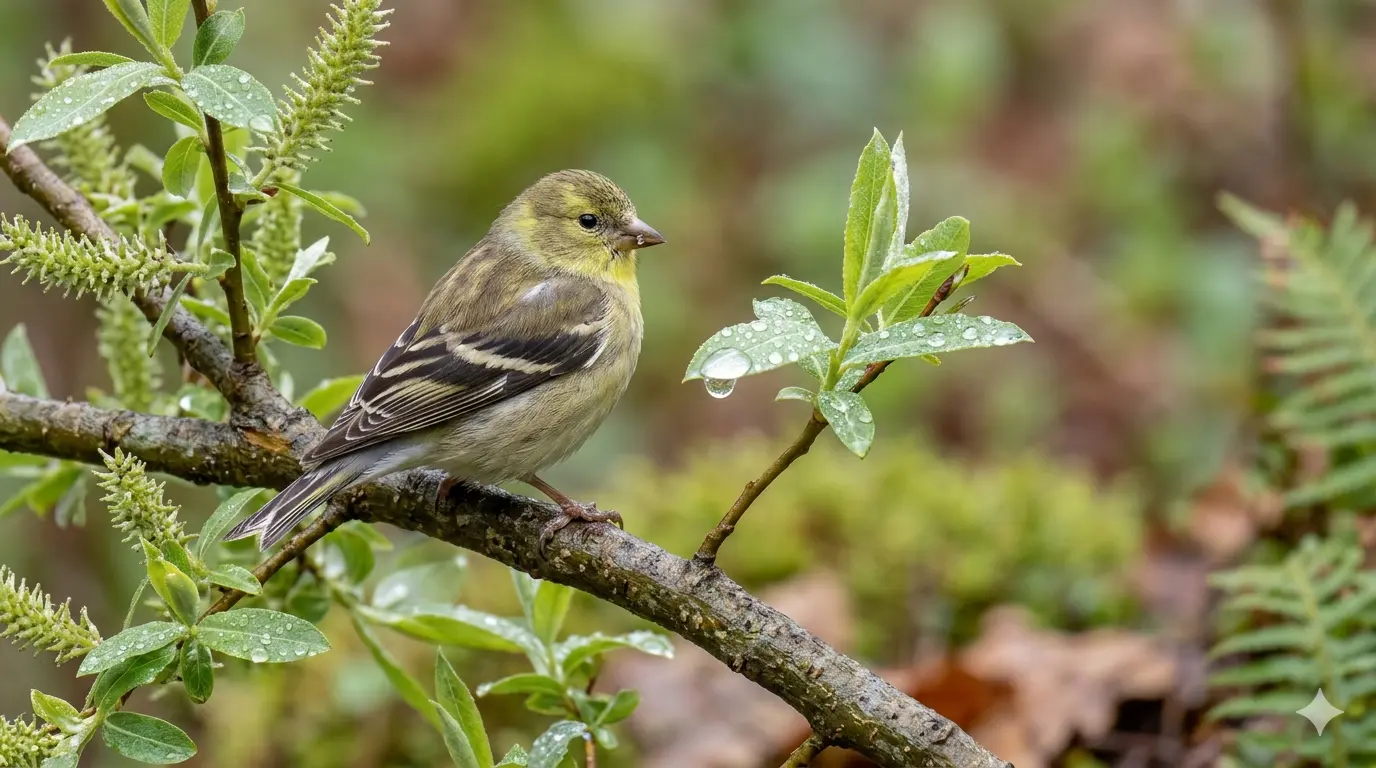
First swallows and leaf warblers arrive at wetlands; insect emergence provides the food base they depend on
Reflection
“The insects do not decide to emerge — the soil temperature decides for them. Most change is not chosen; it is triggered”
“Spring acceleration is real, but speed without grounding produces injury. Rise. Don't leap”
Taoist Reflection
This term's seasonal wisdom echoes a deeper theme in Taoist philosophy. Explore it further on Tales With Lee:
Returning in Taoism: The Movement I Keep Resisting and NeedingSeasonal Essay
A deeper look at this solar term
Insects Awaken brings the first spring thunder — a dramatic signal that winter is truly over. The Chinese name 惊蛰 translates literally as “startled hibernators”: the image is of creatures sleeping underground, jolted awake by the sudden sound. In reality, the causal arrow runs the other way. Thunder does not wake the insects — the warming soil does. Thunder is the audible announcement that the soil is already warm enough for life to stir.
This term marks the moment when biological acceleration becomes visible across multiple scales at once. Insects emerge not because they decided to but because their metabolism crosses a temperature threshold. Frogs and toads, similarly temperature-dependent, begin their dusk choruses within days of the first insect emergence. Soil microbes, dormant through the freeze, resume decomposition and nutrient cycling. The entire food web — from microscopic to mammalian — shifts gear simultaneously. What looks like a sudden explosion of spring activity is actually a system-wide response to a single physical trigger: ground temperature crossing roughly 10°C.
What to look for in the coming days: the season’s first thunder, ground beetles and bees active on warm afternoons, earthworm castings appearing on lawns, the first frog choruses at dusk near paddies and ponds, and swallows and warblers returning to the wetlands. In central and southern China, bumblebees are among the first to work the early blooms. The pace of biological activity accelerates daily, not weekly.
The garden’s response to this acceleration is management rather than force. Place sticky traps early and scout crop rows for the first aphids and flea beetles — they arrive with the warming soil, and catching the first generation prevents the second. Mulch now, while soil moisture is still high, to suppress early weed germination and keep the top few centimeters of soil cool and even. Transplant the cool-weather seedlings started during Rain Water once the ground holds its warmth; seedlings that wait for perfect conditions are seedlings that never get planted. The sequence is the same one the insects follow: not rushing, but moving the moment the ground is ready.
Food follows the same logic of lightening. After winter’s heavy stews and stored provisions, spring favors the fresh and the green: lightly cooked greens with lemon, stir-fried pea shoots, and foods that support the liver, which traditional Chinese medicine associates with spring’s upward, outward energy.
The body operates on parallel seasonal logic. After months of winter contraction — shorter strides, hunched shoulders, movement confined indoors — Insects Awaken invites a deliberate expansion. The spine, in particular, benefits from attention: seated qigong that articulates each vertebra, standing twists that open the ribs, any practice that says to the body what the thunder says to the soil: it is time to move. But the invitation comes with a caution. Acceleration without grounding produces injury. The spring energy that wakes the insects also makes them vulnerable. The parallel for human movement is clear: increase activity, but stay connected to the ground. Rise. Don’t leap. For more on paying attention to the more-than-human world this awakening reveals, read the Atlas essay on more-than-human attention, and see how this term leads into Spring Equinox.
Frequently Asked Questions about Insects Awaken
Quick answers to common questions about Insects Awaken (惊蛰) — its dates, foods, and natural signs.
What is Insects Awaken (惊蛰) and what makes it unique among the solar terms?
Insects Awaken (惊蛰, Jīngzhé) is the third solar term of the year, following Rain Water. Its name translates literally as 'startled hibernators' — the image is of creatures sleeping underground, jolted awake by spring thunder. It marks the moment when ground temperature crosses roughly 10°C in temperate zones, triggering mass insect emergence from hibernation (see Wikipedia, 'Hibernation'). This term is unique for being the most dramatic biological turning point: the entire soil food web reactivates simultaneously.
When does Insects Awaken occur and why is thunder associated with it?
Insects Awaken typically occurs around March 5–7 each year and lasts until Spring Equinox (春分). In 2026, it runs from March 6 to March 20. Thunder is associated with this term because the first spring thunderstorms typically arrive as warm and cold air masses collide, creating the atmospheric conditions for lightning and thunder. However, the thunder does not actually wake the insects — the warming soil does. Thunder is the audible announcement that the soil is already warm enough for life to stir.
What foods are traditionally eaten during Insects Awaken?
Traditional foods for Insects Awaken focus on light ingredients that ease the body's transition from winter stagnation to spring activity. Recommended dishes include light spring greens with lemon, stir-fried spring pea shoots, and foods associated with the liver — the organ associated with spring in traditional Chinese medicine. The emphasis is on fresh, young vegetables that mirror the new growth appearing in nature.
What health practices are recommended during the Insects Awaken term?
This term invites deliberate physical expansion after winter's contraction. Recommended practices include spine-awakening qigong that articulates each vertebra, standing twists that open the ribs, and morning activation flows. The key teaching is to increase activity gradually while staying connected to the ground — 'rise, don't leap.' The body parallels the natural world: acceleration without grounding produces injury, just as early-emerging insects are vulnerable to late cold snaps.
What natural phenomena can I expect to see during Insects Awaken?
Insects Awaken brings dramatic visible changes: the first spring thunder, ground beetles and bees appearing on warm afternoons, earthworm castings visible on lawns, and the first frog choruses at dusk in rice paddies and ponds. Migrant birds begin passing through — watch for first swallows and warblers over wetlands. In central and southern China, bumblebees visit early blooms and ground beetles patrol the soil surface. The pace of biological activity accelerates daily.
Insects Awaken is part of The Way of Nature Atlas — a broader exploration of ecological wisdom.