


Key Takeaways
The essentials of Grain in Ear in under a minute.
- This term: Grain in Ear (芒种) is the 9th solar term of the 24-term year, running June 6 – June 20.
- What happens in nature: Winter wheat turns from green to golden in a 5-7 day window — the awns (bristly tips) signal full ripeness
- Why it matters: This is the busiest farming term of the year: harvesting one crop while planting another, with no room for delay.
- Shift since last term: Grain swelling ends — harvest urgency begins
- Moving toward: Agricultural peak gives way to summer's longest day
- Start here: Begin with Liu Zi Jue: The Six Healing Sounds.
Core Definition
Wheat ripens for harvest and summer rice is planted — peak agricultural intensity.
This is the busiest farming term of the year: harvesting one crop while planting another, with no room for delay.
Transition
How this term sits between what came before and what comes next
- ←Grain swelling ends — harvest urgency begins
- ←Body of work shifts from patient observation to decisive action
- →Agricultural peak gives way to summer's longest day
- →Yang energy crests as field labor intensity subsides
Phenology
What is happening in the natural world
Cook It
The ingredients below are in season now, with how to actually cook them.
Move
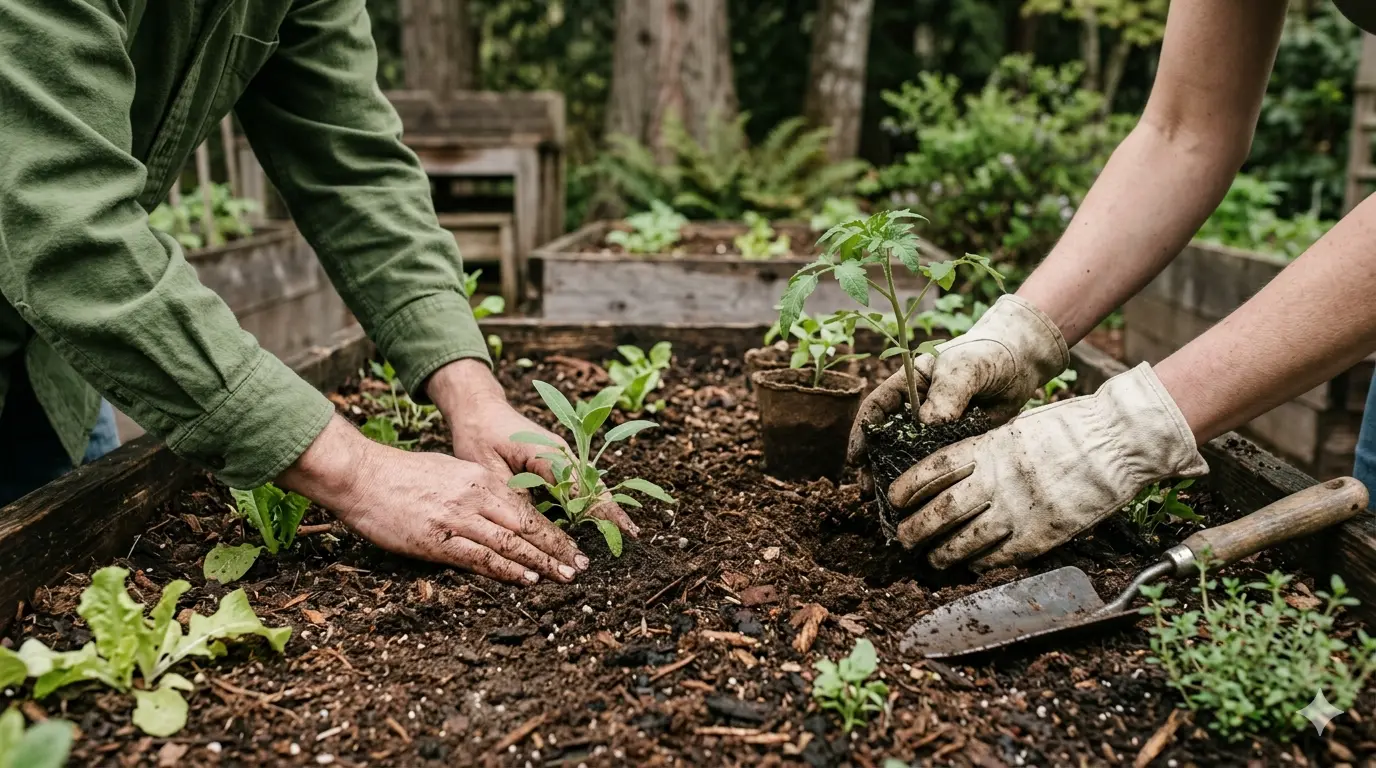
Grow & Cultivate
- Harvest winter wheat immediately — a single rainstorm on ripe grain causes sprouting and ruins the entire crop
- Transplant rice seedlings into flooded paddies within a narrow optimal window — delay causes root-binding and reduces tillering
- Sharpen and maintain all cutting tools — the harvest tempo leaves no time for equipment failure
Ecology Signals
Animal behavior, migration, habitat changes
Fields briefly opened by harvest create a pulse of habitat change — small mammals relocate and ground-nesting birds must adapt within hours
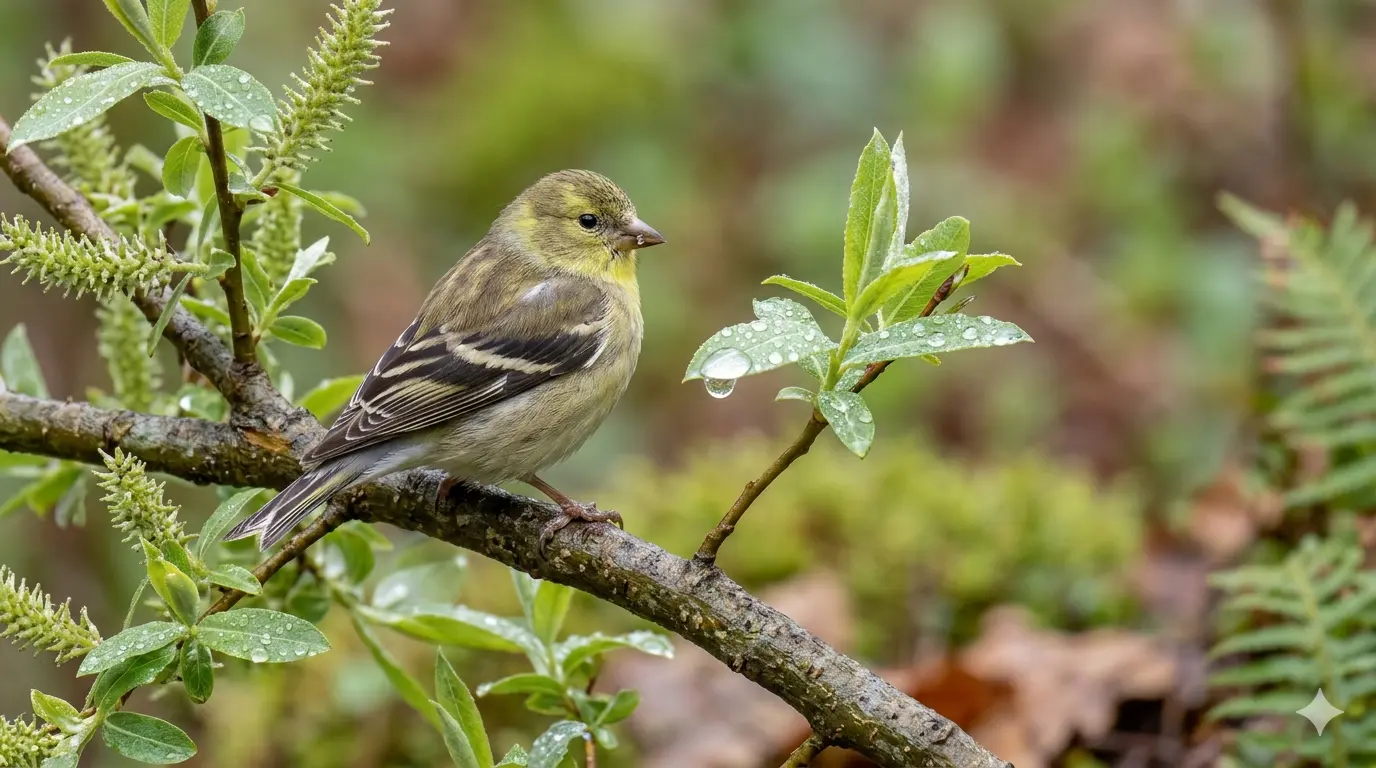
Summer resident birds establish breeding territories as the last migrating species settle into their warm-season ranges
Insect populations reach early-summer peak — the abundant vegetation and warmth support multiple overlapping generations of aphids, leafhoppers, and their predators
Reflection
“Busyness is not chaos — it is the rhythm of the season expressing itself through human hands. The urgency is real, not manufactured”
“No room for delay when the earth demands action — but the body breaking under the pace serves no one. Rest is part of the harvest”
Taoist Reflection
This term's seasonal wisdom echoes a deeper theme in Taoist philosophy. Explore it further on Tales With Lee:
Taoism for BurnoutSeasonal Essay
A deeper look at this solar term
Grain in Ear (芒种) is the busiest solar term in the entire agricultural calendar. Its name refers to the awns — the bristly tips — of wheat that signal ripeness, and the word 种 meaning to plant. This single term compresses two urgent tasks into roughly two weeks: harvesting the winter wheat that has been growing since the previous autumn, and planting the summer rice that will feed people through the coming year. There is no pause between them. One follows the other with a momentum that does not accommodate hesitation.
The word 芒 itself carries layers of meaning. It describes the sharp awn of ripened grain, but it also suggests the edge of a blade, the urgency of a moment that will not wait. Wheat that is ready must be cut before rain swells the kernels and ruins the crop. Rice seedlings that have been nurtured in nursery beds must be transplanted into flooded paddies before they outgrow their containers. The window for both operations is narrow, and the consequences of missing it are measured in hunger.
This dual demand shapes the human experience of Grain in Ear. In traditional farming communities, this was the period when everyone worked — children, elders, anyone capable of contributing to the harvest or the planting. The pace was relentless because the season itself is relentless. Morning began before dawn and continued past dusk. Meals were simple, often fresh wheat noodles made from the new harvest, eaten quickly between tasks. The body operated at the edge of its capacity, sustained by the knowledge that this intensity was finite.
Ecologically, Grain in Ear represents a peak of biological activity that mirrors the human labor. Summer resident birds establish breeding territories, their dawn choruses filling the brief window of coolness before the day’s heat builds. Insect populations surge, feeding on the abundant vegetation that the combination of warmth and rain has produced. The human harvest activity temporarily opens the landscape — wheat fields that stood tall for months are suddenly cut to stubble — creating a brief disturbance that small mammals and ground-nesting birds must navigate.
For the body, this term demands practices that dissipate heat rather than build it. Heat-Dissipating Qigong and the Evening Cooling Sequence are not optional refinements but necessary counterbalances to the environmental and metabolic heat generated by intense labor. The body working hard under a strengthening sun needs active cooling, not passive rest. This is the wisdom embedded in the traditional practices: extreme effort requires equally intentional restoration. Grain in Ear does not apologize for its intensity — it simply demands that you rise to meet it. The same principle — doing the right thing at the right moment, no matter how narrow the window — is explored in the Atlas essay on natural timing. What follows this peak of labor is the Summer Solstice, the longest day of the year, when the season’s intensity reaches its zenith before the slow return of darkness begins.
Frequently Asked Questions about Grain in Ear
Quick answers to common questions about Grain in Ear (芒种) — its dates, foods, and natural signs.
What is Grain in Ear (芒种) and why is it the busiest solar term?
Grain in Ear (芒种, Mángzhòng) is the ninth solar term and the busiest in the entire agricultural calendar. Its name refers to the awns (芒, máng) — the bristly tips of wheat that signal ripeness — combined with 种 (zhòng), meaning to plant (see Wikipedia, 'Awn (botany)'). This single term compresses two urgent tasks: harvesting winter wheat that has been growing since the previous autumn while simultaneously planting summer rice seedlings. Both must happen within a narrow window with no room for delay.
When does Grain in Ear occur and what defines this period?
Grain in Ear typically falls around June 5–7 each year and lasts about 15 days until Summer Solstice (夏至). In 2026, it runs from June 6 to June 20. This period features the longest working days of the farming calendar — 14-16 hours of field labor in traditional agriculture. Winter wheat turns from green to golden in a 5-7 day window, and summer rice seedlings must be transplanted from nursery beds into flooded paddies within days.
What traditional foods are eaten during Grain in Ear?
Grain in Ear foods reflect the harvest's urgency and summer's arrival. Fresh wheat noodles made from the newly harvested crop are a traditional staple — quick to cook, energy-dense, and satisfying after long hours of labor. Lightly pickled summer vegetables provide cooling, refreshing accompaniments. Meals during this term are practical: simple, nourishing, and designed to be eaten quickly between tasks, sustaining the body through peak exertion.
What health practices help during the intense labor of Grain in Ear?
This term demands practices that dissipate heat rather than build it. Heat-Dissipating Qigong and Evening Cooling Sequences are essential counterbalances to the environmental and metabolic heat of intense summer labor. The wisdom is simple: extreme effort requires equally intentional restoration. Morning activity should start before dawn to use the coolest hours, and midday rest is not optional — it is a physiological necessity when working under a strengthening sun.
What ecological events occur during Grain in Ear?
Grain in Ear represents a peak of biological activity: wheat fields shift from green to gold within a week — the harvest signal is visual and unmistakable; summer resident birds establish breeding territories with intense dawn choruses; insect populations surge as abundant vegetation and warmth support multiple overlapping generations of aphids, leafhoppers, and their predators. The human harvest activity temporarily opens the landscape, creating brief habitat disturbance that small mammals and ground-nesting birds must navigate.
Grain in Ear is part of The Way of Nature Atlas — a broader exploration of ecological wisdom.