
Key Takeaways
The essentials of Grain Rain in under a minute.
- This term: Grain Rain (谷雨) is the 6th solar term of the 24-term year, running April 20 – May 5.
- What happens in nature: Rainfall reaches its spring peak across eastern China — warm, sustained, not storm-driven
- Why it matters: Grain Rain closes spring with a clear message: what has been growing must now be supported by steady nourishment. The body, like the soil, needs consistent care before the intensity of summer.
- Shift since last term: Clear skies give way to sustained rain patterns
- Moving toward: Rain intensity produces fully saturated soil ready for summer crops
- Start here: Begin with Ba Duan Jin: The Eight Pieces for Spring Health.
Core Definition
Warm, steady rain nourishes the swelling grain crop. This is spring's last and most productive push before summer's heat arrives.
Grain Rain closes spring with a clear message: what has been growing must now be supported by steady nourishment. The body, like the soil, needs consistent care before the intensity of summer.
Transition
How this term sits between what came before and what comes next
- ←Clear skies give way to sustained rain patterns
- ←Growth shifts from leisurely to urgent — this is the last planting window of spring
- →Rain intensity produces fully saturated soil ready for summer crops
- →The body's needs shift from building warmth to managing heat
Phenology
What is happening in the natural world
Eat
Cook It
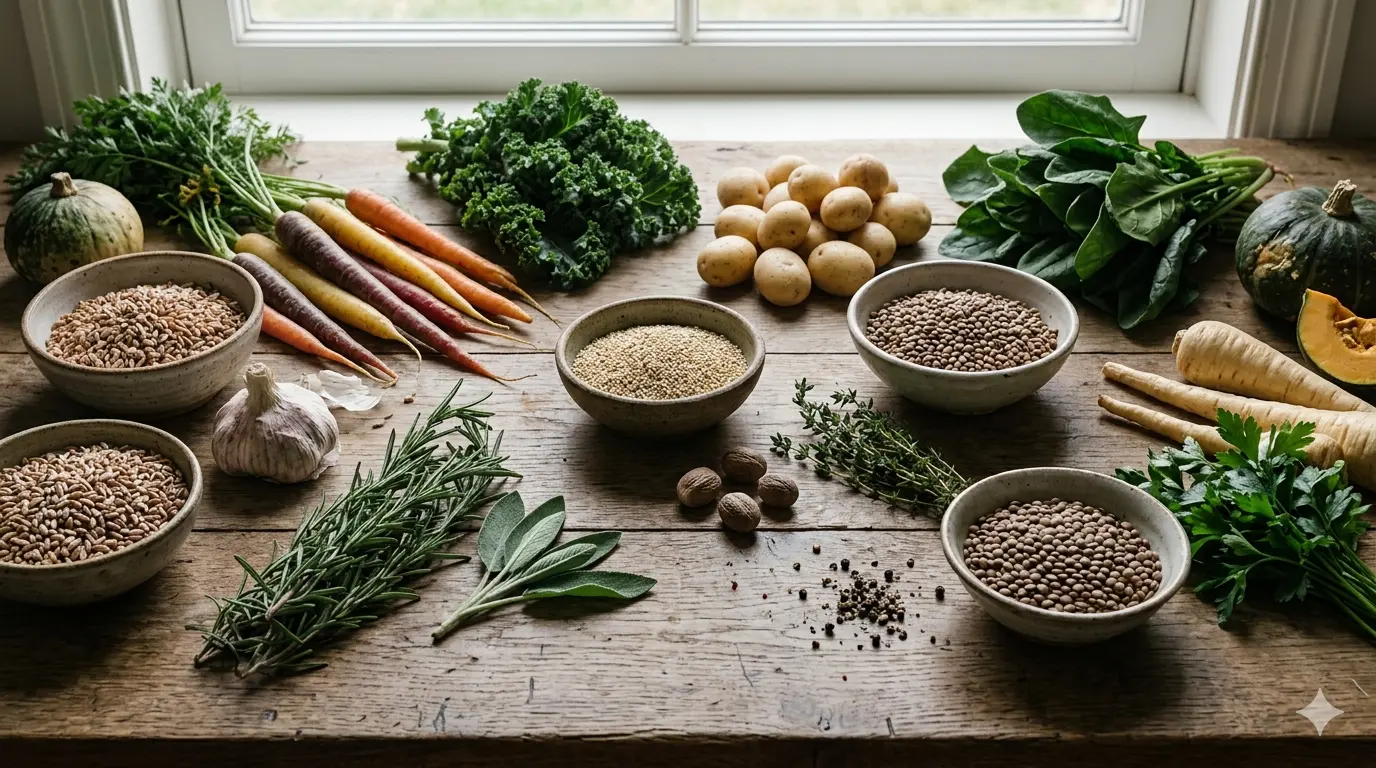
The ingredients below are in season now, with how to actually cook them.
Move
Grow & Cultivate
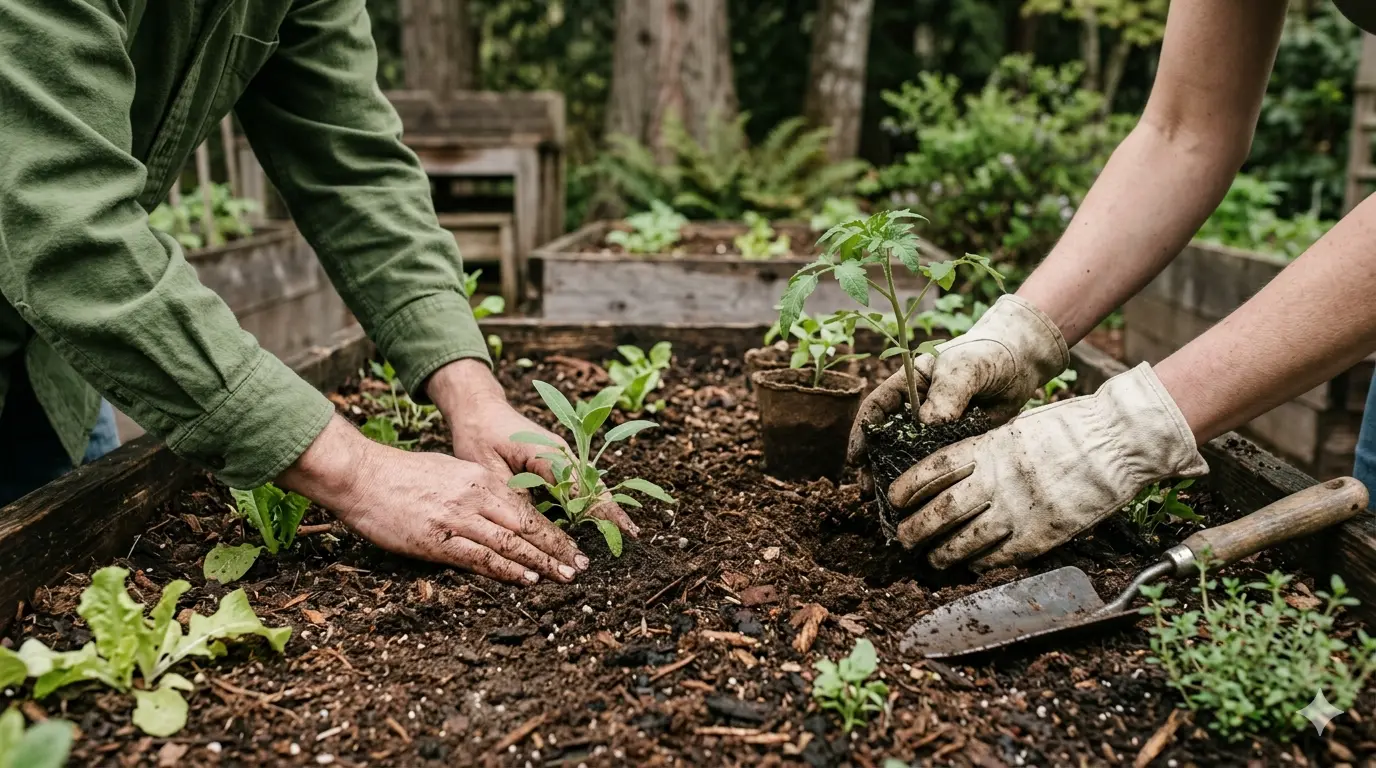
- Ideal sowing window for warm-season crops: squash, cucumbers, beans, corn — soil at 15-18°C ensures rapid germination
- Rice nursery beds prepared and flooded — seedlings will be transplanted in 3-4 weeks
- Mulch around established plants to retain the abundant rain and suppress weeds
Ecology Signals
Animal behavior, migration, habitat changes
Mulberry leaves reach full size, triggering the start of the annual silkworm rearing season in Zhejiang
First adult dragonflies patrol ponds and streams — nymphs have developed underwater for 6-8 months since last autumn's egg-laying
Cuckoos return and begin territorial calling; their call has been a traditional planting signal for centuries
Reflection
“Growth requires steady, consistent nourishment — not dramatic interventions. The seed breaks open when the conditions are right, not when it is commanded to”
“Timing is not a preference. It is the difference between a crop that thrives with minimal effort and one that requires constant rescue”
Taoist Reflection
This term's seasonal wisdom echoes a deeper theme in Taoist philosophy. Explore it further on Tales With Lee:
Enoughness: The Taoist Discipline That Corrected My Sense of MoreSeasonal Essay
A deeper look at this solar term
Grain Rain is the sixth and final solar term of spring — the bridge between spring’s tender growth and summer’s full intensity. Its name refers to the warm, steady rains that nourish grain crops at their most critical stage: the moment when seeds have germinated and need consistent moisture to establish deep roots.
This is the term when spring stops being tentative and becomes decisive. Compared to Clear and Bright, when the weather was beautiful but still cool, Grain Rain brings genuine warmth. The soil is no longer just workable — it is actively growing things. The shift toward Start of Summer is already visible in the lengthening afternoons and the first humid days.
In agricultural terms, Grain Rain is one of the most important planting windows of the year. The planting window is precise: warm-season crops — squash, cucumber, beans, and corn — go in when the soil holds at 15-18°C, while rice nursery beds are flooded and seeded 3-4 weeks ahead of transplant. Around the same days, silkworm rearing begins in Zhejiang as mulberry leaves reach full size, dragonflies appear for the first time around ponds and streams (their nymphs have been developing since last autumn), and cuckoos begin calling — an arrival that has been a traditional planting signal across East Asia for centuries.
Food marks the term’s finality as clearly as the calendar. Spring bamboo shoots — the season’s most prized stir-fried delicacy — reach their last tender harvest during Grain Rain; by the term’s end they thicken toward the woodiness of summer, closing the window for eating them. It is the final opportunity for spring’s light foods — tofu with spring onions, tender shoots, delicate greens — before summer’s heavier meals take over.
The cultural association with tea is more than ornament. “Grain Rain tea” (谷雨茶, gǔyǔ chá) is picked in this exact window, when leaves are tender and rich in amino acids — particularly theanine, which creates the umami character prized in the pre-Qingming and Grain Rain harvests from Zhejiang and Sichuan. The legendary figure Cangjie, said to have invented Chinese writing, is commemorated during this term, connecting the season of grain to the season of recorded thought. Drinking a cup of the term’s tea is participation in the season’s most concentrated expression of “receive nourishment, and grow.” See the Grain Rain tea notes for what to brew this week.
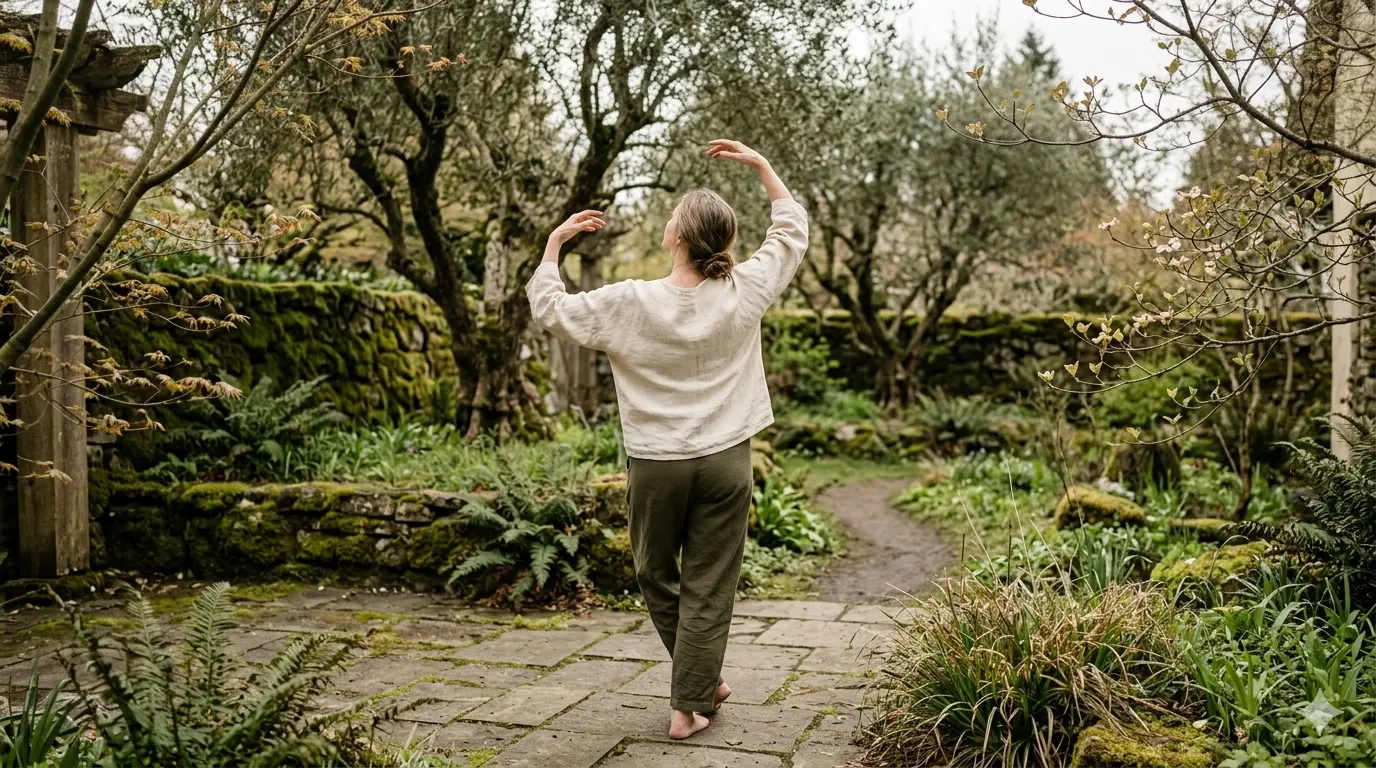
The body at Grain Rain benefits from gentle expansion — practices that open the ribs and loosen the spine, foods that are light but nourishing, and attention to the liver’s role in spring’s upward, outward energy. The message of the season is simple: receive nourishment, and grow. For the deeper logic of natural timing that governs this window, read the Atlas essay on natural timing. These solar terms were only one half of the traditional calendar; the other half tracked the moon, and the two were reconciled month by month — see our lunar calendar and seasonal festivals guide for how they fit together.
Frequently Asked Questions about Grain Rain
Quick answers to common questions about Grain Rain (谷雨) — its dates, foods, and natural signs.
What is Grain Rain (谷雨) and why is it the final spring solar term?
Grain Rain (谷雨, Gǔyǔ) is the sixth and final solar term of spring, serving as the bridge between spring's tender growth and summer's full intensity. Its name refers to the warm, steady rains that nourish grain crops at their most critical stage — when germinated seeds need consistent moisture to establish deep roots. It marks the moment when spring becomes decisive: the soil is no longer just workable, it is actively growing things.
When does Grain Rain occur and what weather defines it?
Grain Rain typically falls around April 19–21 each year and lasts about 15 days until Start of Summer (立夏). In 2026, it runs from April 20 to May 5. The weather is characterized by warm, sustained rainfall that is not storm-driven — gentle but persistent, providing the consistent moisture that developing grain crops depend on. Soil temperatures reach 15-18°C, optimal for warm-season crop germination.
Why is Grain Rain famous for tea production?
Grain Rain is renowned in tea culture for producing some of the year's finest green teas. Tea leaves harvested during this term are rich in amino acids (particularly theanine, which creates umami flavor) and command premium prices (see Wikipedia, 'Theanine'). Known as 'Grain Rain tea' (谷雨茶, gǔyǔ chá), these leaves are prized for their tender texture and complex flavor profile. The most famous pre-Qingming and Grain Rain teas come from tea-growing regions like Zhejiang and Sichuan provinces.
What agricultural activities are critical during Grain Rain?
Grain Rain is one of the most important planting windows of the agricultural year. Key activities include: ideal sowing of warm-season crops like squash, cucumbers, beans, and corn when soil is at 15-18°C; preparing and flooding rice nursery beds (seedlings will be transplanted in 3-4 weeks); and mulching around established plants to retain the abundant rain while suppressing weeds. It's the last planting window of spring before summer heat arrives.
What natural phenomena are associated with Grain Rain?
Grain Rain brings several distinctive natural events: silkworm rearing begins in Zhejiang as mulberry leaves reach full size, dragonflies appear for the first time around ponds and streams (their nymphs have been developing since last autumn), and cuckoos begin calling — their arrival has been a traditional planting signal for centuries across East Asia. The landscape is at its most richly green, and the air carries the smell of wet soil and growing things.
Grain Rain is part of The Way of Nature Atlas — a broader exploration of ecological wisdom.