
Key Takeaways
The essentials of Spring Equinox in under a minute.
- This term: Spring Equinox (春分) is the 4th solar term of the 24-term year, running March 21 – April 4.
- What happens in nature: Day and night reach equal length — the first time this year
- Why it matters: The equinox teaches equilibrium — not as a static state but as an ongoing adjustment.
- Shift since last term: Thunder and insect emergence give way to quieter, steadier seasonal signals
- Moving toward: Warmth becomes reliable; the last risk of frost passes
- Start here: Begin with Standing Meditation (Zhan Zhuang).
Core Definition
Day and night stand equal. The midpoint of spring brings balance between light and dark.
The equinox teaches equilibrium — not as a static state but as an ongoing adjustment.
Transition
How this term sits between what came before and what comes next
- ←Thunder and insect emergence give way to quieter, steadier seasonal signals
- ←Growth shifts from sudden bursts to sustained, visible expansion
- →Warmth becomes reliable; the last risk of frost passes
- →Growth shifts from steady establishment to rapid visible change
Phenology
What is happening in the natural world
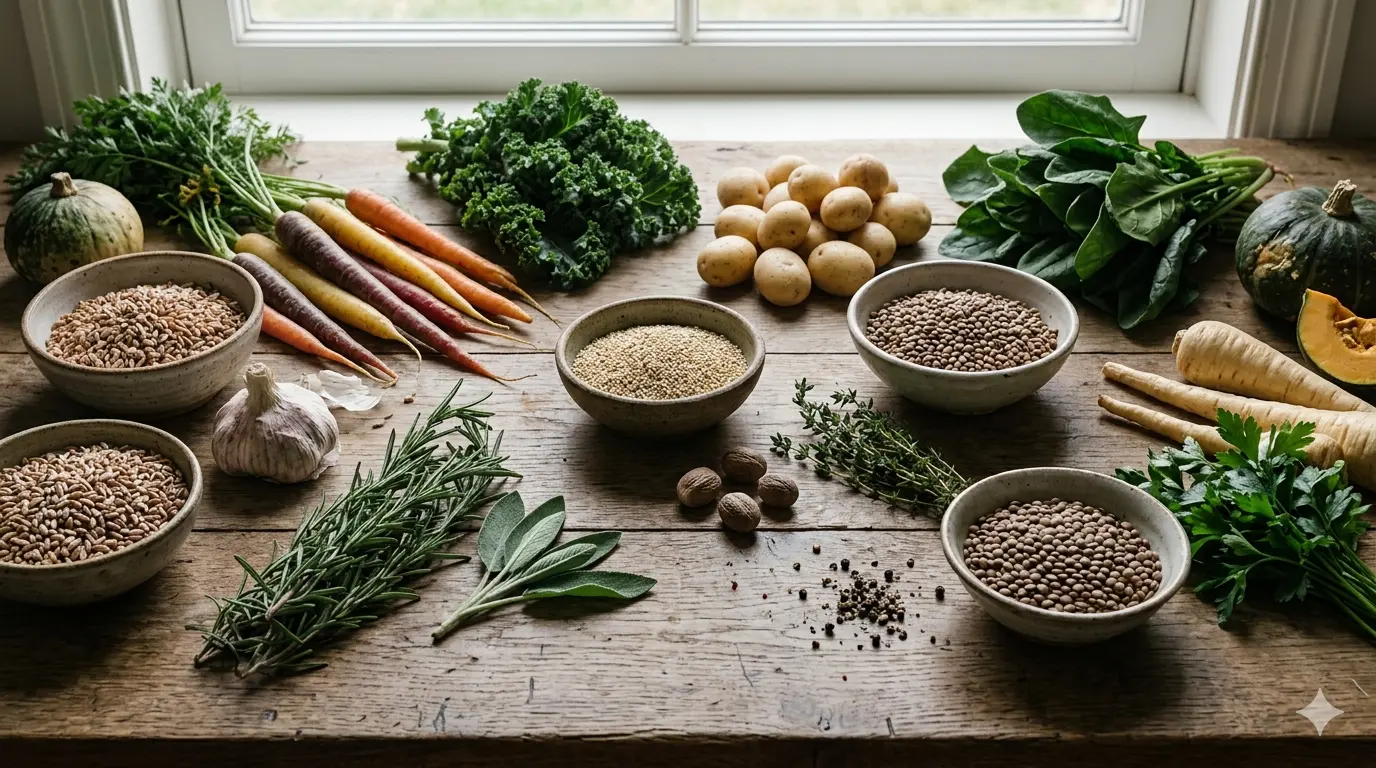
Cook It
The ingredients below are in season now, with how to actually cook them.
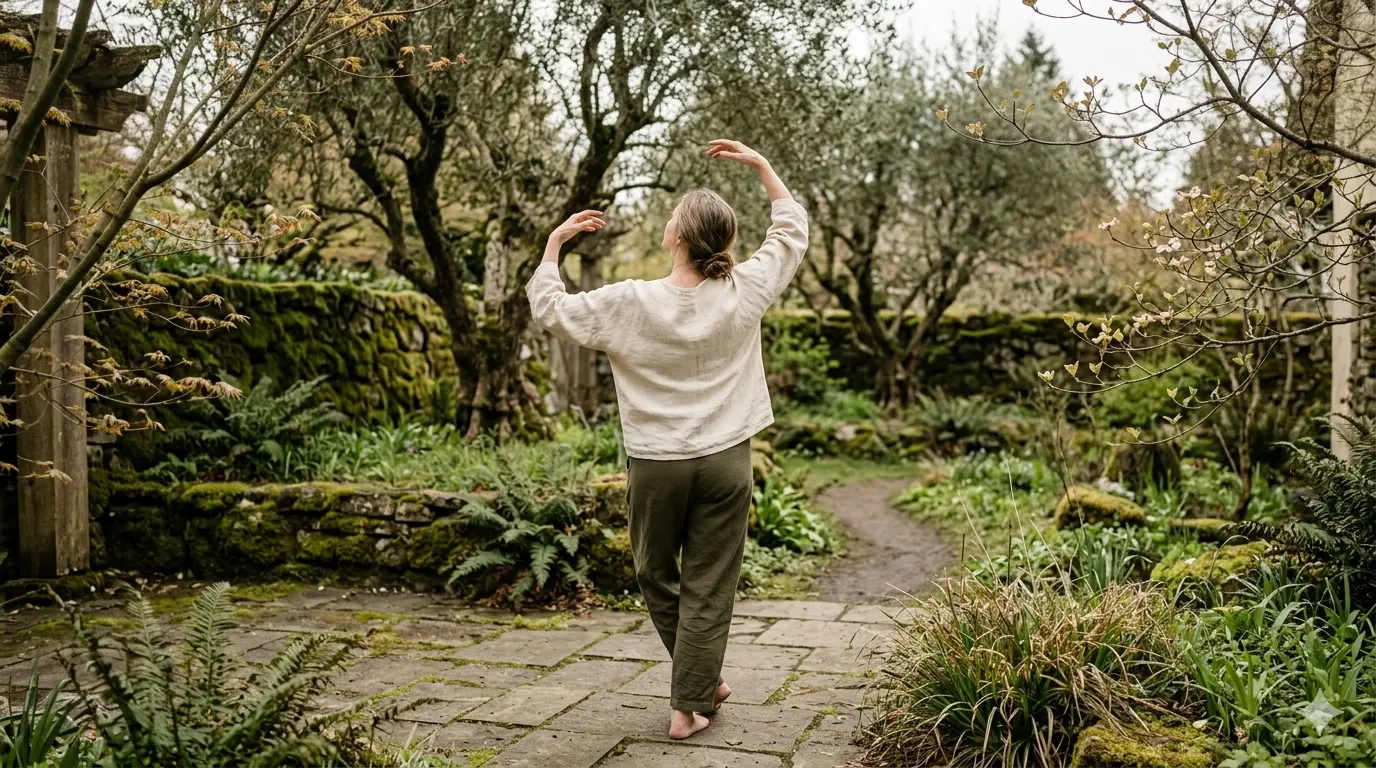
Move
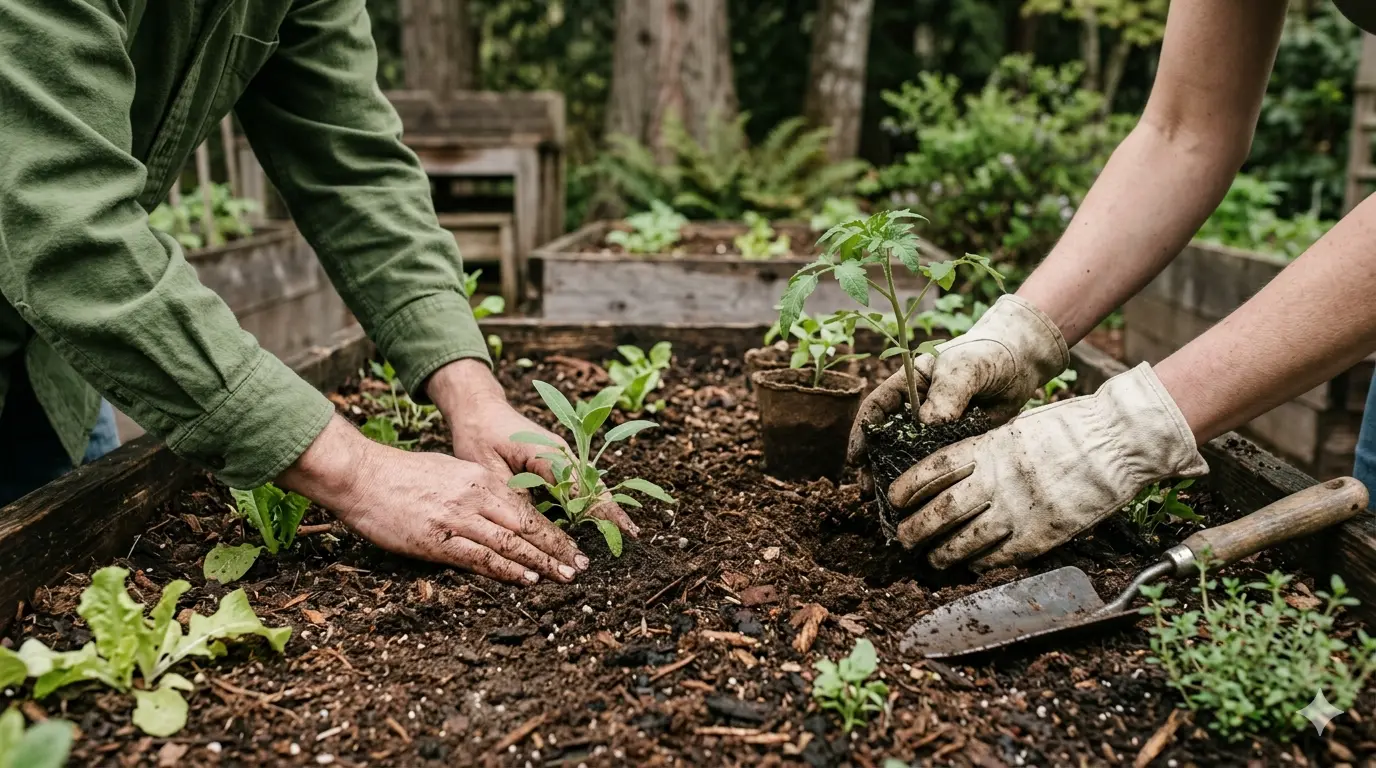
Grow & Cultivate
- Peak direct-sowing window for cool-weather crops: peas, radishes, carrots, spinach
- Transplant hardened-off seedlings into prepared beds — roots establish fastest in equinoctial soil
- Install irrigation systems before the dry spell that often follows mid-spring rains
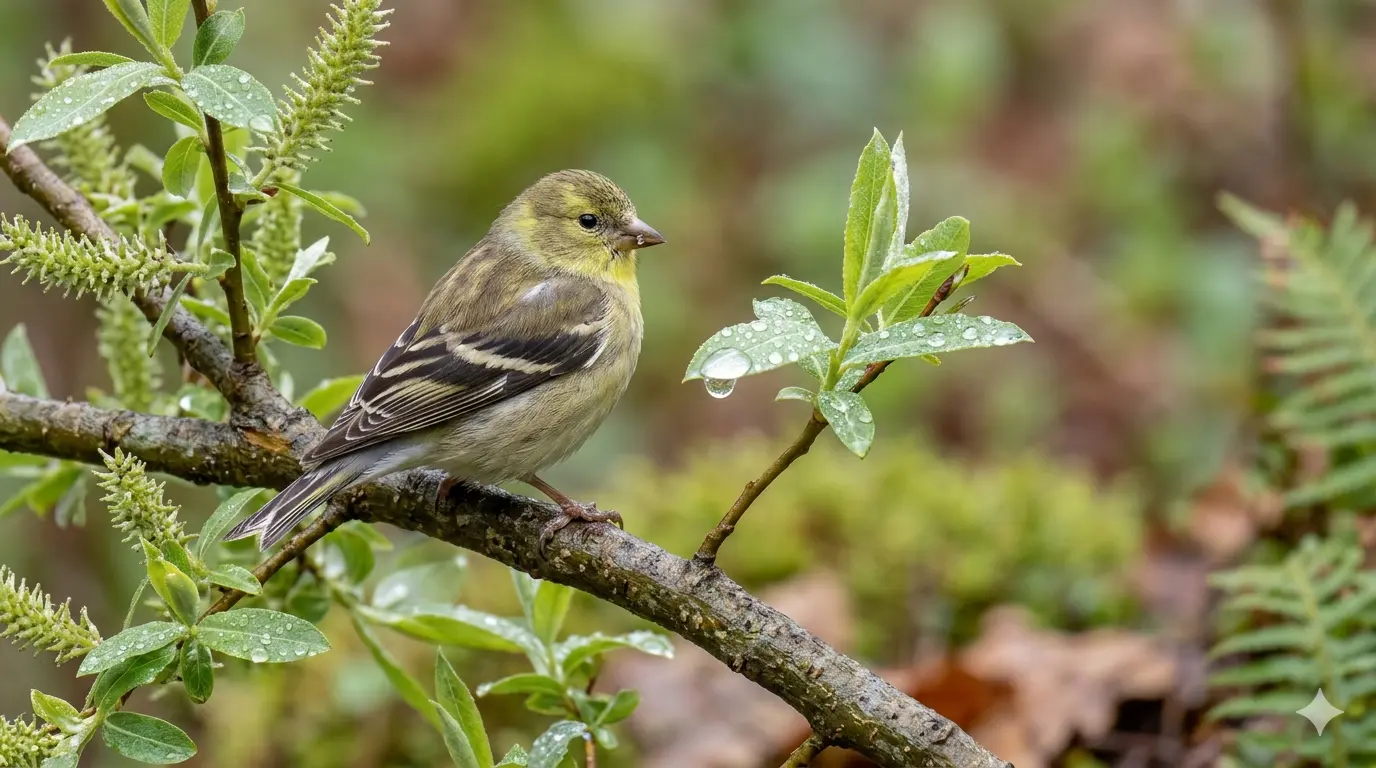
Ecology Signals
Animal behavior, migration, habitat changes
Barn swallows return to northern breeding grounds — arrival dates cluster within a 3-day window at the equinox
Cherry and plum blossoms reach full bloom; peak pollinator activity — orchards hum audibly with bee traffic
Soil stabilizes above 10°C, triggering mass germination of both crops and weed seeds
Reflection
“Balance is not stillness — it is constant micro-correction, like standing upright on moving ground”
“The equinox shows that opposites do not cancel out. They hold each other in temporary, productive tension”
Taoist Reflection
This term's seasonal wisdom echoes a deeper theme in Taoist philosophy. Explore it further on Tales With Lee:
Yin and Yang: How Balance and Change Actually WorkSeasonal Essay
A deeper look at this solar term
Spring Equinox marks the midpoint of spring — the moment when day and night stand in perfect balance for the first time in the year. Across the temperate world, this is when growth becomes visible everywhere: cherry blossoms open, soil warms, and the bird migrations of early spring stabilize into established patterns.
In traditional Chinese thought, the equinox is not merely an astronomical event but a lived principle. Balance is understood not as passive stillness but as an active, ongoing adjustment — like standing upright, which requires constant micro-corrections. The equinox teaches that equilibrium is something we practice, not something we achieve once.
This is also the season of the liver in classical Chinese medicine — the organ associated with smooth flow, flexibility, and the ability to adapt. Gentle movement and fresh, lightly cooked greens support the body’s natural shift from winter contraction to spring expansion. Rather than pushing hard into new routines, the equinox invites a measured, sustainable opening.
The garden moves on a precise timetable at the equinox. This is the window for direct-sowing peas, radishes, carrots, and spinach, and for transplanting seedlings that have been hardened off — soil temperatures above 10°C trigger germination not just for cultivated crops but for the weeds as well, which is why the season’s first weeding becomes urgent. It is also the moment to install irrigation systems: mid-spring rains are dependable now, but the dry spell that often follows them arrives faster than newly planted beds can tolerate. Barn swallows return to northern breeding sites within a remarkably tight 3-day arrival window, while cherry and magnolia blossoms reach peak bloom and orchards hum audibly with bee traffic as nectar sources come into full production — a pollinator network that the garden’s own early blooms help sustain.
Equilibrium, practiced daily, takes physical form. Standing Meditation (Zhan Zhuang) builds the structural alignment that balance requires, while Liver-Meridian Stretch sequences support the body’s natural spring expansion and modified morning sun salutations bring warmth to stiff winter joints. Water follows the same logic: the equinox’s equal day and night are mirrored in the even distribution of spring moisture, and the garden that captures this balance — beds that drain freely yet hold enough water, irrigation installed before the dry weeks come — carries the principle into practice. The equinox teaches that balance is not a single moment but a rhythm maintained through small, repeated adjustments. The principle is balanced, sustainable opening — gentle movement that mirrors spring’s steady unfolding rather than forcing it. From here the season accelerates toward Clear and Bright, when growth becomes unmistakable.
Frequently Asked Questions about Spring Equinox
Quick answers to common questions about Spring Equinox (春分) — its dates, foods, and natural signs.
What is the Spring Equinox (春分) in the 24 solar terms system?
Spring Equinox (春分, Chūnfēn) is the fourth solar term of the year, marking the midpoint of spring. It is the moment when day and night reach equal length — the first time this happens in the annual cycle. In traditional Chinese thought, this equinox teaches equilibrium as an active, ongoing practice rather than a static state. It represents perfect balance between yin and yang, light and dark, cold and warm.
When does Spring Equinox occur and what astronomical event defines it?
Spring Equinox typically falls around March 20–22 each year and lasts about 15 days until Clear and Bright (清明). In 2026, it runs from March 21 to April 4. Astronomically, it is defined by the moment when the sun crosses the celestial equator northward, making day and night nearly equal in length everywhere on Earth (see Wikipedia, 'Equinox'). After this point, daylight exceeds darkness until the Autumn Equinox.
What traditional foods are associated with Spring Equinox?
Spring Equinox foods emphasize fresh, light, and balancing ingredients. Traditional recommendations include spring greens with sesame dressing, light miso soup with seasonal vegetables, and steamed bamboo shoots with soy sauce. In Chinese culinary tradition, this is the season of the liver in classical Chinese medicine, and foods that support smooth energy flow — young greens, sprouted grains, lightly cooked vegetables — are emphasized over heavy or greasy dishes.
What health and wellness practices are recommended for Spring Equinox?
Spring Equinox is considered an ideal time for practices that cultivate balance. Recommended practices include Standing Meditation (Zhan Zhuang), which builds structural alignment and grounded awareness; Liver-Meridian Stretch Sequences that support the body's natural spring expansion; and modified morning sun salutations. The key principle is balanced, sustainable opening rather than pushing hard into new routines — gentle movement that mirrors spring's steady, unfolding growth.
What natural changes can I observe during Spring Equinox?
Spring Equinox brings spectacular observable changes: cherry and plum blossoms reach peak bloom across temperate regions, first swallows return to northern breeding sites within a tight 3-day window, bee activity intensifies audibly as nectar sources peak, and soil temperatures stabilize above 10°C triggering widespread germination. In East Asia, magnolias join the cherry blossoms at full bloom, and orchards hum with pollinator traffic.
Spring Equinox is part of The Way of Nature Atlas — a broader exploration of ecological wisdom.