
Key Takeaways
The essentials of Winter Solstice in under a minute.
- This term: Winter Solstice (冬至) is the 22nd solar term of the 24-term year, running December 22 – January 5.
- What happens in nature: The shortest day and longest night of the year — daylight shrinks to its annual minimum before the turn toward lengthening
- Why it matters: The solstice teaches that darkness is not absence — it is the condition under which the next cycle is prepared.
- Shift since last term: Snow cover reaches maximum depth
- Moving toward: The coldest days of winter arrive
- Start here: Begin with Dantian Breathing: Building Warmth at Winter Depth.
Core Definition
The longest night of the year. In the deepest darkness, yang energy quietly returns.
The solstice teaches that darkness is not absence — it is the condition under which the next cycle is prepared.
Transition
How this term sits between what came before and what comes next
- ←Snow cover reaches maximum depth
- ←The landscape enters its most dormant phase
- →The coldest days of winter arrive
- →But daylight has already begun its incremental return
Phenology
What is happening in the natural world
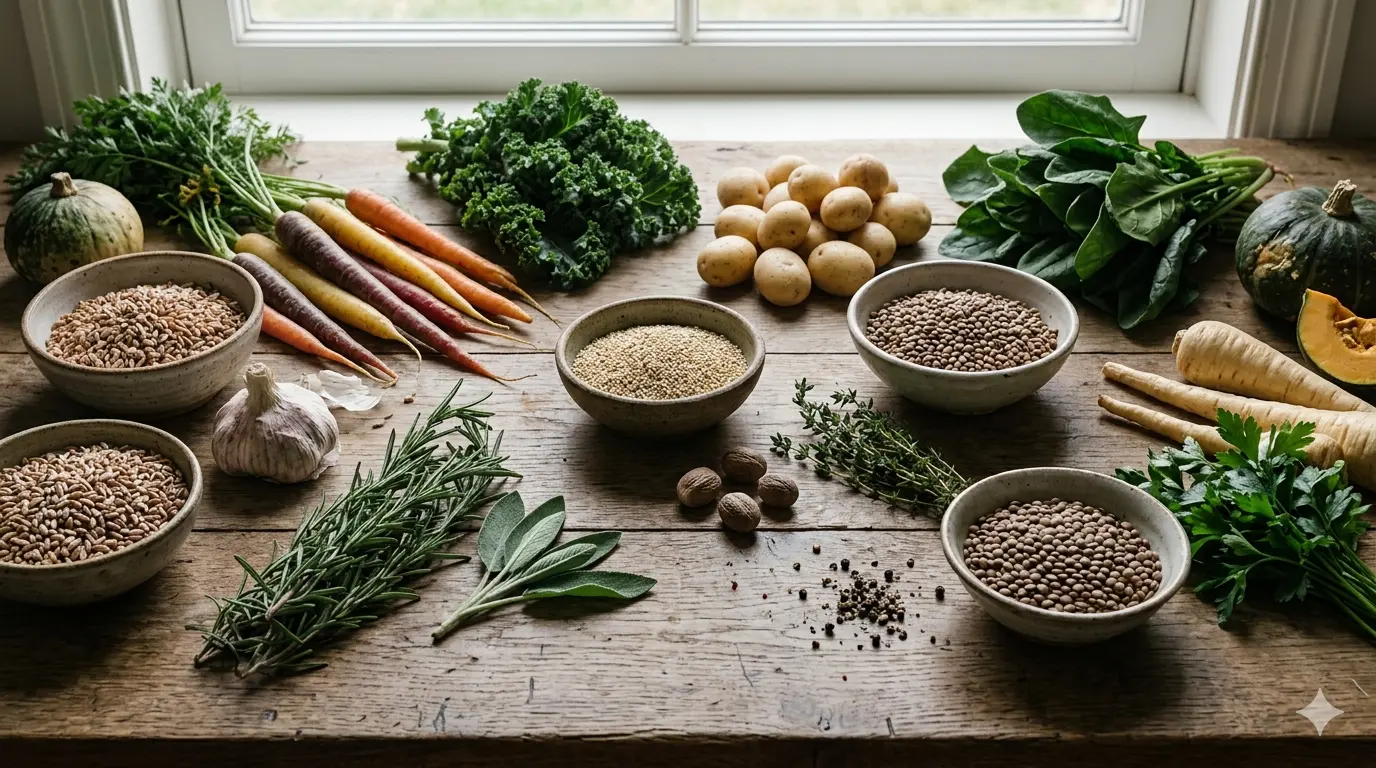
Cook It
The ingredients below are in season now, with how to actually cook them.
Shaoxing wine: essential winter cooking
Open on Missing Umami →Shaoxing wine substitutes guide
Open on Missing Umami →Why restaurant Chinese tastes different
Open on Missing Umami →Dark soy sauce: color and depth guide
Open on Missing Umami →Red braised: why it tastes so rich
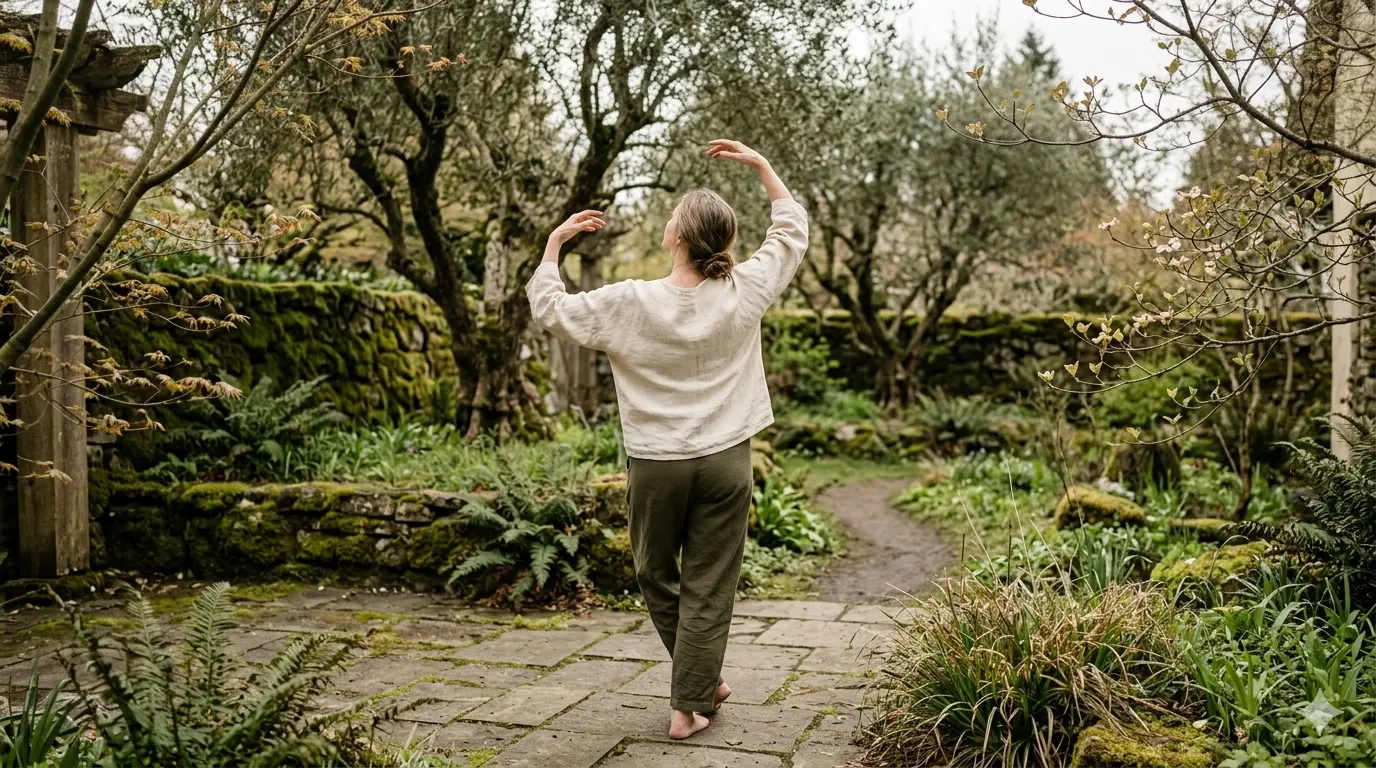
Open on Missing Umami →Move
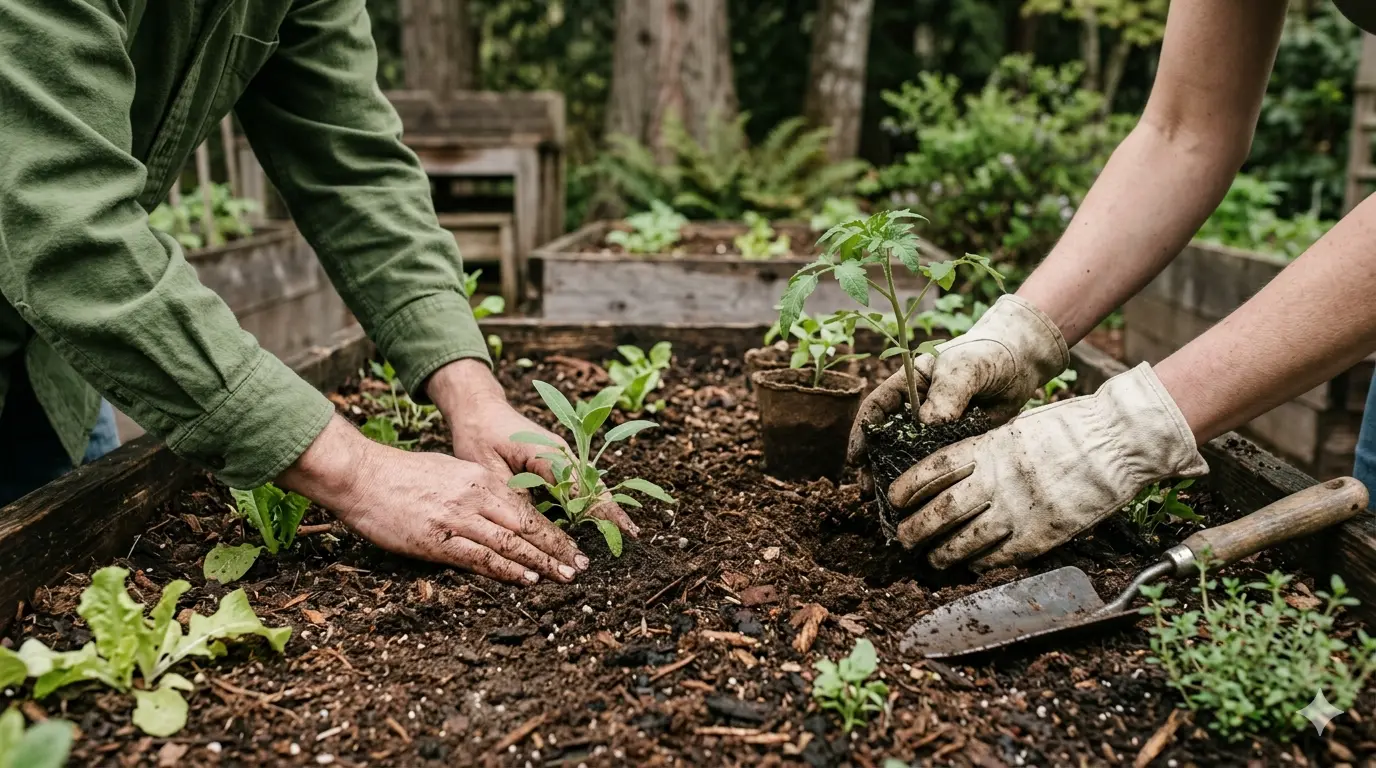
Grow & Cultivate
- Deep rest for the land — tools are stored, fields lie fallow under snow or frost
- Review the previous year's planting records and plan next season's crop rotations and seed orders
- Check stored grain and preserves for moisture, mold, or pest damage during the long storage months
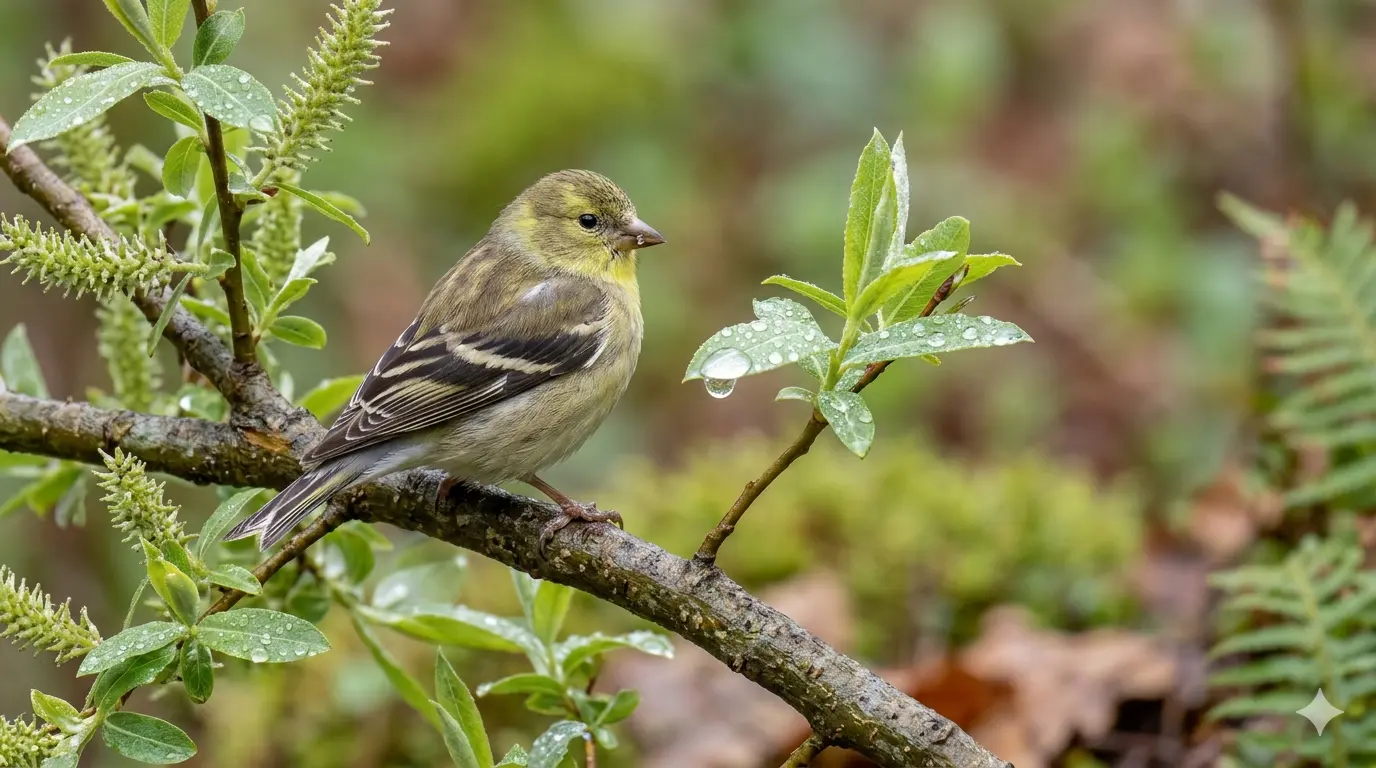
Ecology Signals
Animal behavior, migration, habitat changes
Hardy resident birds — magpies, sparrows, crows — dominate a soundscape that has lost most of its avian voices since autumn
Most mammals in deep hibernation — body temperatures and heart rates at annual minimums; animal tracks in snow are the primary visible sign of life
The shortest day is also the day the light begins returning — an astronomical fact that cultures across the northern hemisphere have encoded as stories of rebirth and renewal
Reflection
“The seed waits in darkness, not from weakness, but from wisdom”
“Rest is not the absence of work — it is the foundation of future work”
Taoist Reflection
This term's seasonal wisdom echoes a deeper theme in Taoist philosophy. Explore it further on Tales With Lee:
Why Sun Wukong Fails Before He GrowsSeasonal Essay
A deeper look at this solar term
The winter solstice brings the longest night of the year. In the northern hemisphere, daylight shrinks to its minimum, temperatures drop to their coldest, and the natural world seems to pause entirely. But buried in this stillness is a turning point: from this moment forward, the light will grow again — imperceptibly at first, then unmistakably.
This paradox — that the darkest day marks the return of light — lies at the heart of how Chinese philosophy understands winter. Yin has reached its peak; yang rises from within it. The solstice is not an ending but a germination. The seed in frozen soil is not dead; it is waiting, with more patience than we usually allow ourselves. As the twenty-second of the 24 solar terms, the solstice is a qì (中气) — one of the four astronomical anchors at the centre of a season — and it is the pivot of the lunisolar calendar, the second clock that keeps the year’s festivals near their right season.
No other term has produced as many stories. Across the northern hemisphere, the winter solstice has been marked by narratives of light returning out of darkness — the rebirth of the sun, the unconquered light, the child born at the year’s darkest moment. These are not coincidental parallels. They emerge independently because the astronomical event itself — the turn from shortening to lengthening days — is a story structure: climax, reversal, renewal. The solstice is the year’s most compelling plot point, and human cultures have been retelling it for as long as they have been watching the sky.
The body at winter solstice operates at its most conservative. Metabolism slows, sleep deepens, and the impulse to withdraw from cold and darkness is not weakness but biological regulation. Kidney-Warming Standing Posture addresses the organ system that Chinese medicine identifies as the body’s deepest energy reserve — the yuan qi that sustains life through deprivation. Deep Stillness Meditation is not an escape from winter but an alignment with it: the body’s need for rest is as real as its need for food. Gentle Spine Mobilization maintains the range of motion that cold and stillness naturally restrict, not through exertion but through attention.
The agricultural and ecological signals of the solstice are equally precise. The land rests deeply — tools stored, fields fallow under snow or frost — but the pause is active, not empty. Farmers review the previous year’s planting records and plan next season’s crop rotations and seed orders, and stored grain and preserves are checked for the moisture, mold, or pest damage that months of storage can conceal. In Northeast China, bare branches against the winter sky make each tree species’ architecture visible for the first time all year, animal tracks tell the overnight stories of foxes, rabbits, and deer, and at noon the sun casts the longest shadows of the year — the low angle of the solstice sun made visible in geometry.
The food traditions of the solstice are among the richest of any term. Tang yuan — glutinous rice balls in ginger broth — are round, white, and sweet, symbols of family unity and the returning light. Lamb and Radish Stew draws on the traditional Chinese framework in which lamb is a warming food and radish a balancing counterpart for the year’s longest night. Eight-Treasure Congee compresses the nourishment of grains, seeds, dates, and nuts into a single dish designed to sustain the body through the coldest hours, while red braised pork belly — its deep color reflecting the solstice’s paradox — slow-braises in dark soy, rock sugar, and Shaoxing wine until meltingly tender. These are not comfort foods in the casual sense. They are the edible expression of the solstice’s central truth: in the deepest dark, nourishment is the only preparation for the light that follows. Our solstice tea notes and traditions page explore both halves of that equation, and the Atlas essay on slow knowledge traces how the solstice taught humans to trust the dark.
This term also marks the boundary between looking back and looking forward. The year’s longest night ends one cycle and begins another — the winter that Start of Winter opened with the first freeze, now turning. Seeds ordered now will become summer’s harvest. Rest taken now becomes spring’s energy, and the seed of that return has already been planted in the weeks since Major Snow, as the cold deepens toward Minor Cold. The solstice does not ask you to believe in renewal. It only asks you to notice that the light, which has been leaving since June, has finally stopped leaving — and that in itself is enough to begin again.
Frequently Asked Questions about Winter Solstice
Quick answers to common questions about Winter Solstice (冬至) — its dates, foods, and natural signs.
What is the Winter Solstice (冬至) and why is it called the turning point?
The Winter Solstice (冬至, Dōngzhì) is the twenty-second solar term and the shortest day and longest night of the year (see Wikipedia, 'Winter solstice'). Its central paradox — that the darkest day marks the return of light — lies at the heart of Chinese philosophy's understanding of winter: yin has reached its peak, and yang rises from within it. The seed in frozen soil is not dead; it is waiting.
When does the Winter Solstice occur and what weather defines it?
The Winter Solstice typically falls around December 21–22 each year and lasts about 15 days until Minor Cold (小寒). In 2026, it runs from December 22 to January 5. Frozen soil reaches its deepest freeze across northern latitudes, animal activity is at its annual minimum, and clear winter nights produce the brightest stars of the year as cold air holds less moisture to scatter light.
Why are tang yuan the definitive Winter Solstice food?
Tang yuan — glutinous rice balls in ginger broth — are round, white, and sweet, symbols of family unity and the returning light. Alongside them, lamb and radish stew — in the traditional Chinese framework, lamb a warming food and radish a balancing counterpart — suits the year's longest night, while eight-treasure congee compresses the nourishment of grains, seeds, dates, and nuts into a single dish designed to sustain the body through the coldest hours. These are the edible expression of the solstice's truth: in the deepest dark, nourishment is the only preparation for the light that follows.
Why do cultures worldwide tell stories of light returning at the solstice?
Across the northern hemisphere, the solstice has been marked by narratives of rebirth and renewal — the rebirth of the sun, the unconquered light, the child born at the year's darkest moment. These emerge independently because the astronomical event itself — the turn from shortening to lengthening days — is a story structure: climax, reversal, renewal. The solstice is the year's most compelling plot point, retold for as long as humans have watched the sky.
How should the body respond to the longest night?
The body operates at its most conservative: metabolism slows, sleep deepens, and the impulse to withdraw from cold and darkness is biological regulation, not weakness. Kidney-Warming Standing Posture addresses the body's deepest energy reserve — the yuan qi that sustains life through deprivation. Deep Stillness Meditation aligns with winter rather than escaping it, and Gentle Spine Mobilization maintains range of motion through attention rather than exertion. Seeds ordered now become summer's harvest; rest taken now becomes spring's energy.
Winter Solstice is part of The Way of Nature Atlas — a broader exploration of ecological wisdom.