


Key Takeaways
The essentials of Minor Cold in under a minute.
- This term: Minor Cold (小寒) is the 23rd solar term of the 24-term year, running January 6 – January 19.
- What happens in nature: Bitter cold settles in as winter's last and deepest phase — this is the sustained freeze, not a passing chill
- Why it matters: This is the test of winter preparation — what was stored and protected must now last through the hardest stretch.
- Shift since last term: The turn toward light has begun but cold continues deepening
- Moving toward: Cold intensifies to its absolute annual peak
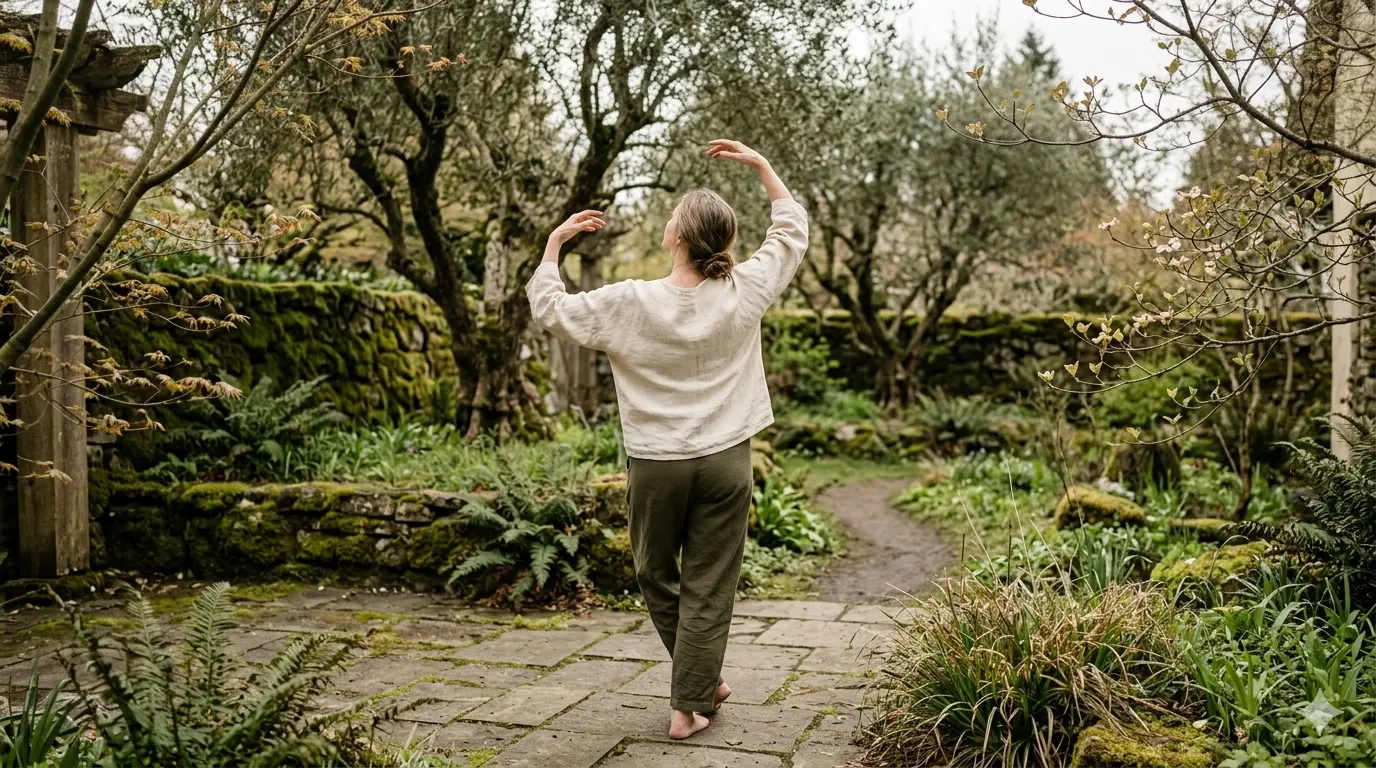
- Start here: Begin with Indoor Tai Chi Walking: A 20-Minute Home Routine.
Core Definition
The coldest days of the year begin. Bitter cold settles in as winter reaches its deepest phase.
This is the test of winter preparation — what was stored and protected must now last through the hardest stretch.
Transition
How this term sits between what came before and what comes next
- ←The turn toward light has begun but cold continues deepening
- ←Yang energy begins its return while yin reaches maximum expression
- →Cold intensifies to its absolute annual peak
- →The final freeze arrives before the thaw begins
Phenology
What is happening in the natural world
Cook It
The ingredients below are in season now, with how to actually cook them.
Move
Grow & Cultivate
- Protect livestock from extreme cold exposure
- Check stored grain and preserves for frost damage
Ecology Signals
Animal behavior, migration, habitat changes
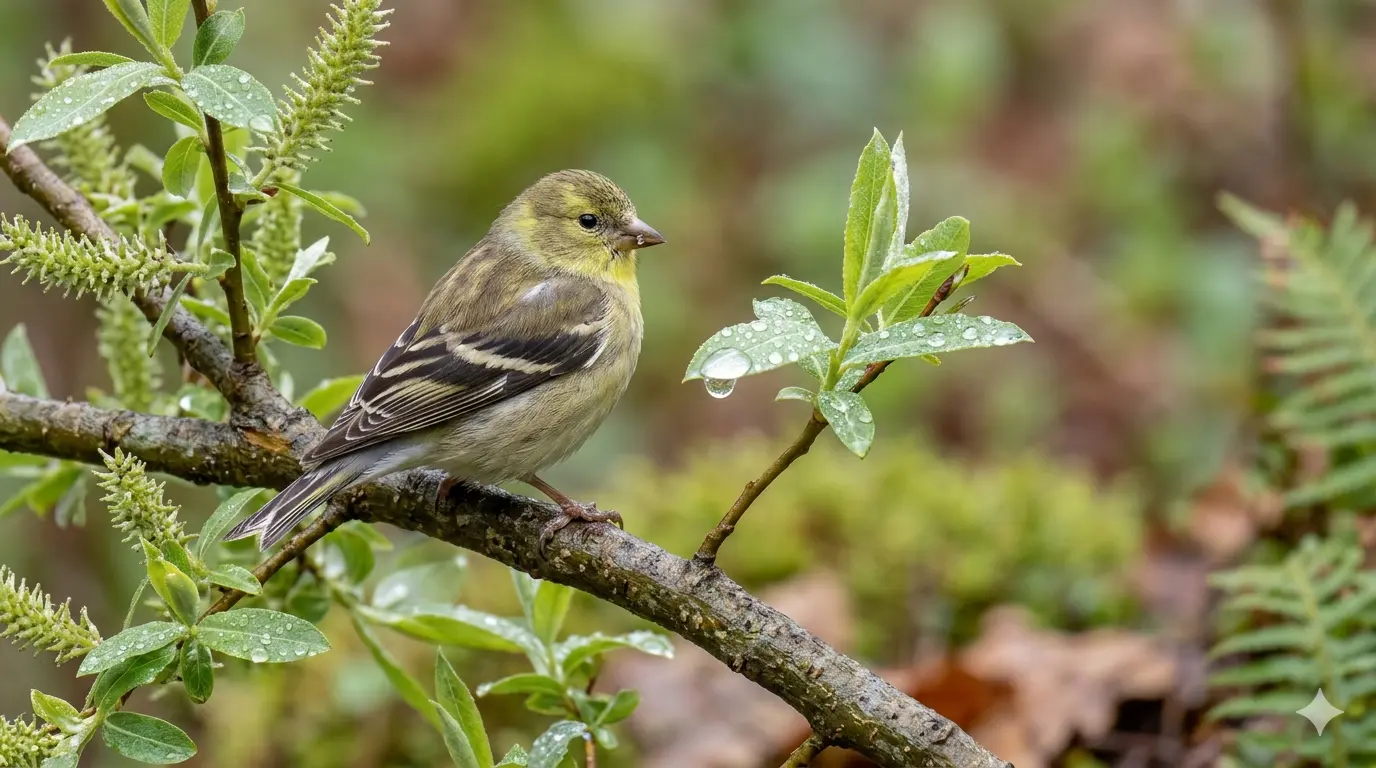
Only the hardiest resident birds remain active — magpies, sparrows, and crows dominate a soundscape otherwise emptied of avian life
Ground frost penetrates to its deepest level of the year, affecting soil structure and the overwintering survival of plant roots and soil organisms
Ponds and slow streams that have been freezing since early winter now reach maximum ice thickness — ice that formed in layers over months is structurally at its peak
Reflection
“Stillness is not weakness — it is intelligent conservation”
“What was stored must now last through the hardest stretch”
Taoist Reflection
This term's seasonal wisdom echoes a deeper theme in Taoist philosophy. Explore it further on Tales With Lee:
Taoism for PatienceSeasonal Essay
A deeper look at this solar term
Minor Cold (小寒) has a deceptive name. The character 小 — small, minor — suggests something manageable, something lesser. But in much of northern China, Minor Cold is actually colder than Major Cold, the term that follows it. The naming convention reflects a different logic than direct temperature measurement: Minor Cold is the beginning of the coldest period, the entry into deep freeze, while Major Cold is its conclusion. The “minor” refers not to intensity but to position in the sequence — this is the first wave of the deepest cold, not the lesser wave.
This distinction matters because it shapes how the term is experienced. Minor Cold is the moment when the cold stops being something you can dress against and becomes something you must endure. The ground frost that began during earlier winter terms now penetrates to its deepest level, reaching down past the root zones of perennial plants and into the soil layers where microbial life and overwintering insects have taken refuge. Windows frost over every morning, not occasionally but reliably, the ice crystals forming elaborate patterns that the rising sun erases by mid-morning only for them to return the following night.
The ecological world during Minor Cold has contracted to its winter minimum. Bird life in northern regions is reduced to the hardiest residents — magpies, sparrows, crows — species that have evolved strategies for surviving temperatures that would kill less adapted birds within hours. These birds flock near human habitation during Minor Cold, not from affection for people but because human structures and activities create microclimates slightly warmer than the surrounding landscape, and because human food waste provides calories that the frozen environment cannot supply. The relationship is not sentimental — it is thermodynamic.
For the body, Minor Cold is the test of everything that autumn’s preparation was supposed to secure. The stores of food, the accumulated body weight, the warm clothing, the insulated shelter — all of it must now prove adequate against temperatures that make no concessions. Eight-Treasure Congee embodies this logic perfectly: eight ingredients chosen not for their flavors alone but for their combined capacity to deliver sustained warmth — grains for slow-burning energy, dates and longan traditionally used for blood nourishment in Chinese food therapy, nuts and seeds for the dense nutrition that deep cold demands. Ginger and Brown Sugar Tea is equally practical, using the warming properties that Chinese medicine attributes to both ingredients to create an internal heat source that radiates outward.
The practices of Minor Cold — Kidney-Warming Standing Practice and Slow Joint Circles for Stiff Mornings — address the two primary vulnerabilities that cold exposes. The kidneys, in Chinese medical physiology, store the body’s fundamental energy, and cold depletes this reservoir faster than any other environmental condition. Joints stiffen because synovial fluid thickens as temperatures drop, and movement becomes the only remedy. These are not optional refinements. In a world before central heating, they were survival practices, passed down because those who did not practice them were statistically less likely to see spring.
Minor Cold teaches that endurance is not passive. It is an active practice of conservation, attention, and the wise deployment of limited resources. What was stored must now last. What was protected must now hold. The cold will deepen before it breaks, and the only response that works is to meet it with the quiet, persistent intelligence of creatures who have survived winter for hundreds of thousands of years. The stillness that precedes this final push began at the Winter Solstice, and rest as an active, disciplined practice is unpacked in the Atlas essay on rest as a seasonal practice.
Frequently Asked Questions about Minor Cold
Quick answers to common questions about Minor Cold (小寒) — its dates, foods, and natural signs.
What is Minor Cold (小寒) and why is its name misleading?
Minor Cold (小寒, Xiǎohán) is the twenty-third solar term and the beginning of the coldest phase of the year. The character 小 means 'small' or 'minor' — but in much of northern China, Minor Cold is actually colder than Major Cold, the term that follows it. The naming refers to position in the sequence, not intensity: Minor Cold is the entry into deep freeze, Major Cold its conclusion.
When does Minor Cold occur and what weather defines it?
Minor Cold typically falls around January 5–6 each year and lasts about 15 days until Major Cold (大寒). In 2026, it runs from January 6 to January 19. Ground frost penetrates to its deepest level of the year, reaching below the root zones of perennials; windows frost over every morning; and ice on still water reaches maximum thickness.
What foods are traditionally eaten during Minor Cold?
Eight-Treasure Congee is the ultimate warming breakfast — grains for slow-burning energy, dates and longan traditionally considered blood-nourishing in Chinese food therapy, nuts and seeds for the dense nutrition deep cold demands. Ginger and brown sugar tea is a warming, comforting drink for the coldest days. Lamb bone soup, simmered for hours until rich and nourishing, is a traditional winter dish.
Why do winter birds gather near human habitation?
Magpies, sparrows, and crows flock near human buildings during Minor Cold not from affection but from thermodynamics: human structures create microclimates slightly warmer than the surrounding landscape, and human food waste provides calories the frozen environment cannot (see Wikipedia, 'Urban heat island'). It is the hardiest resident birds that remain active at all — species evolved to survive temperatures that would kill less adapted birds within hours.
What practices matter most during the deepest cold?
Kidney-Warming Standing Practice and Slow Joint Circles for Stiff Mornings address the two primary vulnerabilities cold exposes: the kidneys, which in traditional Chinese physiology store the body's fundamental energy, and joints, whose synovial fluid thickens as temperatures drop — making movement the only remedy for stiffness. These were survival practices before central heating; endurance is an active practice of conservation, not passivity.
Minor Cold is part of The Way of Nature Atlas — a broader exploration of ecological wisdom.