

Key Takeaways
The essentials of Rain Water in under a minute.
- This term: Rain Water (雨水) is the 2nd solar term of the 24-term year, running February 19 – March 5.
- What happens in nature: [Northern China] Precipitation shifts from snow to rain — first liquid precipitation in months
- Why it matters: This is when the frozen world becomes living soil. Water, no longer locked in ice, moves through the ground again, activating microbial life and preparing the earth to receive seeds.
- Shift since last term: Precipitation shifts from snow to liquid rain
- Moving toward: Thunder becomes possible as warm and cold air masses collide
- Start here: Begin with Open Kua: Slow, Knee-Friendly Tai Chi.
Core Definition
Snow turns to rain as temperatures rise above freezing. The earth softens and drinks deeply — the hydrological cycle reawakens across the landscape.
This is when the frozen world becomes living soil. Water, no longer locked in ice, moves through the ground again, activating microbial life and preparing the earth to receive seeds.
Transition
How this term sits between what came before and what comes next
- ←Precipitation shifts from snow to liquid rain
- ←Soil moisture rises sharply
- →Thunder becomes possible as warm and cold air masses collide
- →Biological activity accelerates dramatically
Phenology
What is happening in the natural world
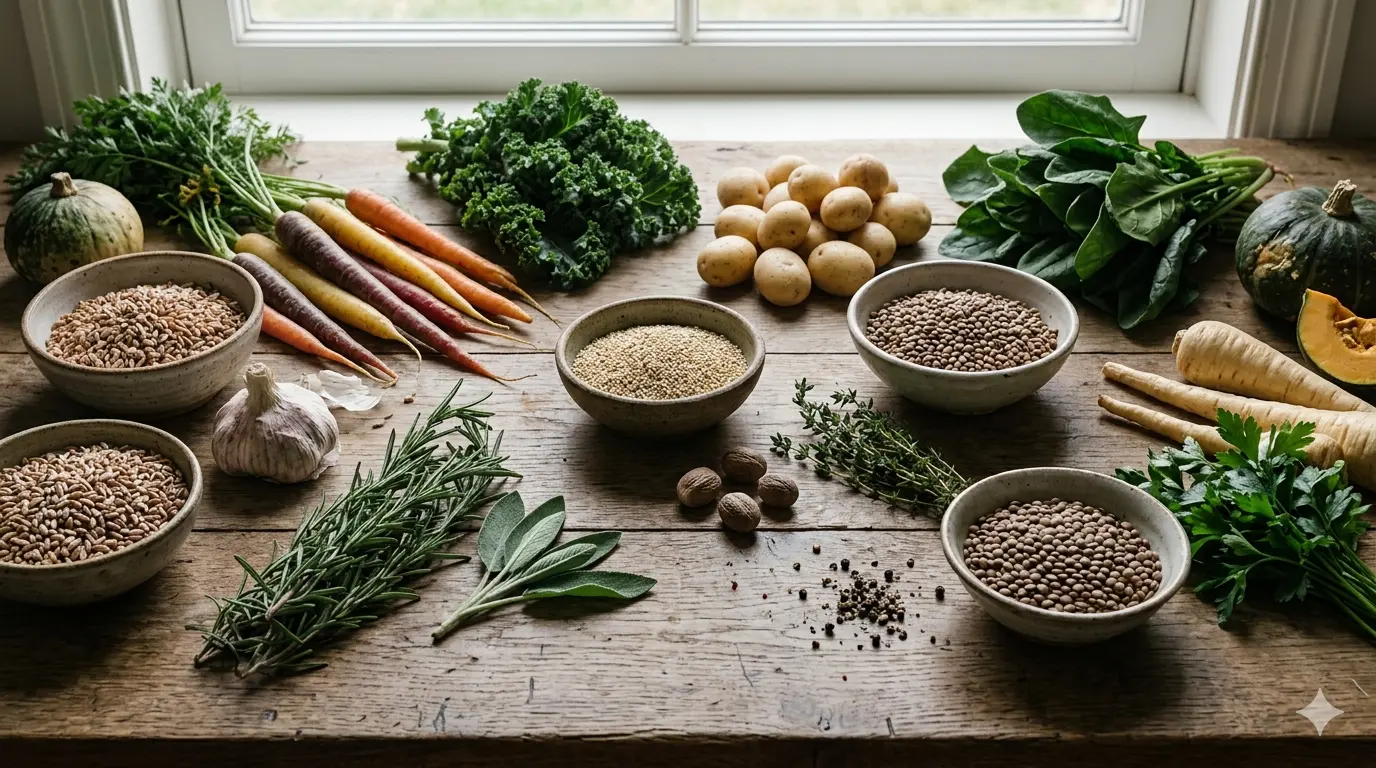
Cook It
The ingredients below are in season now, with how to actually cook them.
Move
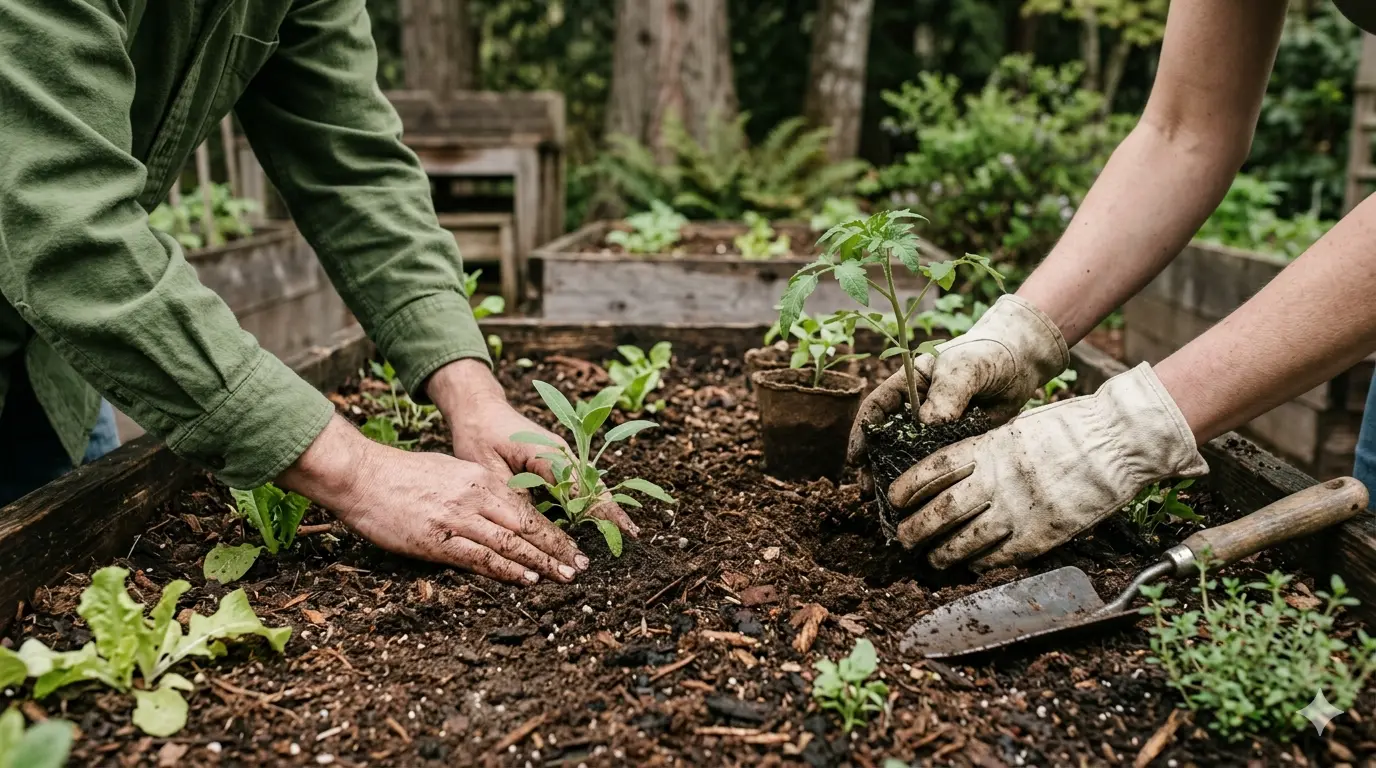
Grow & Cultivate
- Test soil moisture at root depth (10-15 cm) — should hold shape when squeezed, then crumble
- Finalize seed orders and start warm-season crop planning
- Maintain drainage channels — melting snow plus rain can waterlog low areas
Ecology Signals
Animal behavior, migration, habitat changes
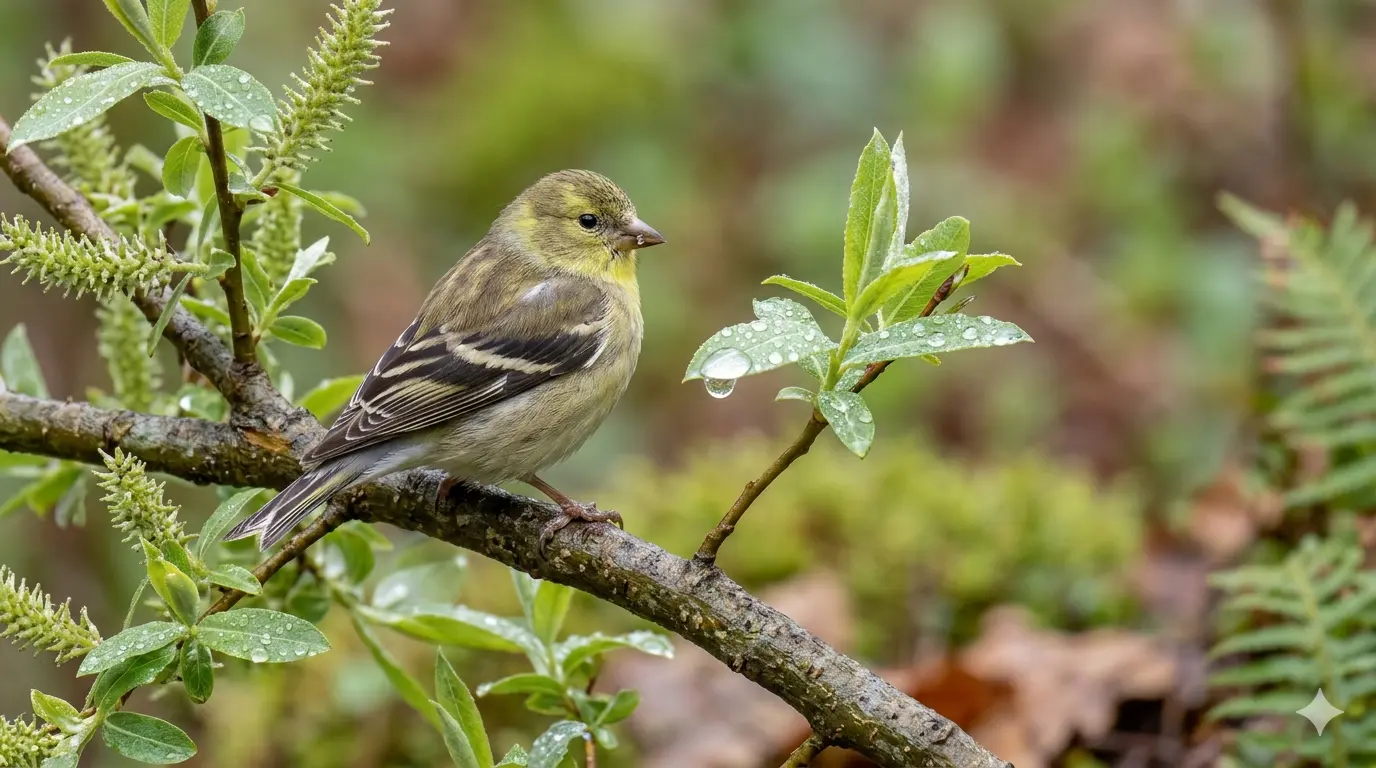
Ducks, egrets, and herons return as pond and lake ice melts; feeding activity intensifies
Earthworms surface within hours of warm rain, signaling soil temperatures above 2°C at root depth
Ice fractures from the edges inward on slow-moving waterways; flow rates increase visibly day by day
Reflection
“Water does not break stone by force — it enters, freezes, thaws, repeats. Softness over time”
“The body at this term needs protection from damp-cold, not dramatic change. Adjust incrementally”
Taoist Reflection
This term's seasonal wisdom echoes a deeper theme in Taoist philosophy. Explore it further on Tales With Lee:
Softness in Taoism: The Strength I Kept Mistaking for WeaknessSeasonal Essay
A deeper look at this solar term
Rain Water is the second solar term, arriving when winter’s frozen grip loosens and precipitation shifts from snow to liquid rain. The Chinese name captures the essential change: water, no longer locked in ice, begins to move through the landscape again.
This is not the dramatic thaw of later spring — it is the quiet, incremental softening that happens before visible growth. Soil that was rock-hard in January becomes workable. Rivers that were silent under ice regain their sound. The earth drinks.
The seasonal transition is subtle but unmistakable. Compared to Start of Spring, where change is mostly potential (rising temperatures, lengthening days), Rain Water brings the first tangible evidence: wet ground, running water, the smell of damp soil. It points toward Insects Awaken, when biological activity will accelerate sharply.
In traditional practice, this term emphasizes protection from dampness and cold. The body is still adjusting to winter’s retreat — joints benefit from gentle mobilization rather than intense activity. Food shifts slightly toward warming soups and broths, hydrated ingredients, and the first tender greens that will dominate the coming months.
Protection is practical before it is philosophical. A joint mobility sequence for damp weather works the ankles, wrists, and spine through slow circles — small joints stiffen fastest when cold meets moisture, and a few minutes of movement each morning keeps them free. A standing warm-up for cold mornings, drawn from tai chi’s zhan zhuang tradition, generates internal warmth without exertion. On the plate, the same logic runs through spring onion and ginger broth — a classic damp-cold remedy that dispels cold and supports circulation — alongside steamed fish with scallion and soy, a light protein the digestive system can process without strain. The spleen, in traditional physiology, governs the transformation of food and moisture; at Rain Water, easing its work matters more than eating heavily.
The first tangible signs of the season’s shift appear within days of the term’s opening. In the Yangtze Basin, wetland birds — ducks, egrets, and herons — return to rising ponds, and the first earthworms surface within hours of a warm rain, drawn up as soil temperatures cross 2°C. Willow branches show the earliest yellow-green buds of the year, the first color in a landscape still dressed in winter grey, and ice on small ponds begins breaking from the edges inward rather than from the center.
For the gardener, Rain Water is a term of preparation rather than planting. Test soil moisture in the top 10-15 cm before working any bed — soil that is too wet compacts and damages structure. Place seed orders for the coming season, and clear drainage channels so the increased water has somewhere to go. The work is small and quiet, matched to the season. Start of Spring set the direction; Rain Water makes it physical.
Frequently Asked Questions about Rain Water
Quick answers to common questions about Rain Water (雨水) — its dates, foods, and natural signs.
What is Rain Water (雨水) and why is it important in the solar term calendar?
Rain Water (雨水, Yǔshuǐ) is the second solar term in the 24-term cycle, following Start of Spring. It marks the critical transition when winter snow turns to liquid rain as temperatures rise above freezing across mid-latitude regions (see Wikipedia, 'Rain and snow mixed'). This term is agriculturally vital because it signals the moment when frozen soil becomes workable again — the hydrological cycle reawakens, soil moisture rises sharply, and the ground prepares to receive spring seeds.
When does Rain Water occur and what weather changes can I expect?
Rain Water typically falls around February 18–20 each year and lasts about 15 days until Insects Awaken (惊蛰). In 2026, it runs from February 19 to March 5. The key weather change is the shift from solid to liquid precipitation — snow becomes rain, river ice begins breaking up from the edges, and the first warm rains of the year soften the soil. Temperatures remain cool but the character of the season changes fundamentally as water begins moving through the landscape again.
What traditional foods are recommended during Rain Water?
Rain Water emphasizes warming, hydrating foods that protect the body from damp-cold. Traditional recommendations include spring onion and ginger broth (to dispel cold and support circulation), steamed fish with scallion and soy (light protein that's easy to digest), and congee or rice porridge with warming ingredients. The focus is on foods that nourish without overwhelming the digestive system, which is still adjusting from winter's heavier diet.
How does Rain Water affect health and what wellness practices are recommended?
In traditional Chinese medicine, Rain Water's rising dampness is linked to the spleen and digestive health. Recommended practices include gentle joint mobility sequences for damp weather, standing warm-ups for cold mornings, and foods that strengthen the spleen such as cooked root vegetables and well-simmered soups. The body benefits from protection against the combination of cold and moisture — staying dry and warm is as important as what you eat.
What changes in nature can I observe during Rain Water?
Rain Water brings the first truly visible signs of spring transition: wetland bird activity increases sharply as ducks, egrets, and herons return to rising ponds; the first earthworms appear at the soil surface within hours of warm rain; willow branches show yellow-green buds (the earliest visible color in the landscape); and ice on small ponds begins breaking from the edges inward. These are tangible proofs that winter's hold is loosening.
Rain Water is part of The Way of Nature Atlas — a broader exploration of ecological wisdom.