
Key Takeaways
The essentials of Start of Autumn in under a minute.
- This term: Start of Autumn (立秋) is the 13th solar term of the 24-term year, running August 8 – August 22.
- What happens in nature: Daylight shortens noticeably — evening arrives 30-40 minutes earlier than at summer solstice
- Why it matters: Autumn teaches the art of release — what worked in summer won't work in the coming months.
- Shift since last term: The most intense heat of the year begins to break
- Moving toward: Humidity drops noticeably
- Start here: Begin with Qigong for Autumn: From 立秋 to 秋分.
Core Definition
The first cool breeze arrives. Summer's grip loosens — in light quality first, in temperature later.
Autumn teaches the art of release — what worked in summer won't work in the coming months.
Transition
How this term sits between what came before and what comes next
- ←The most intense heat of the year begins to break
- ←First subtle shift in daylight quality
- →Humidity drops noticeably
- →Morning dew becomes heavier and lasts longer
Phenology
What is happening in the natural world
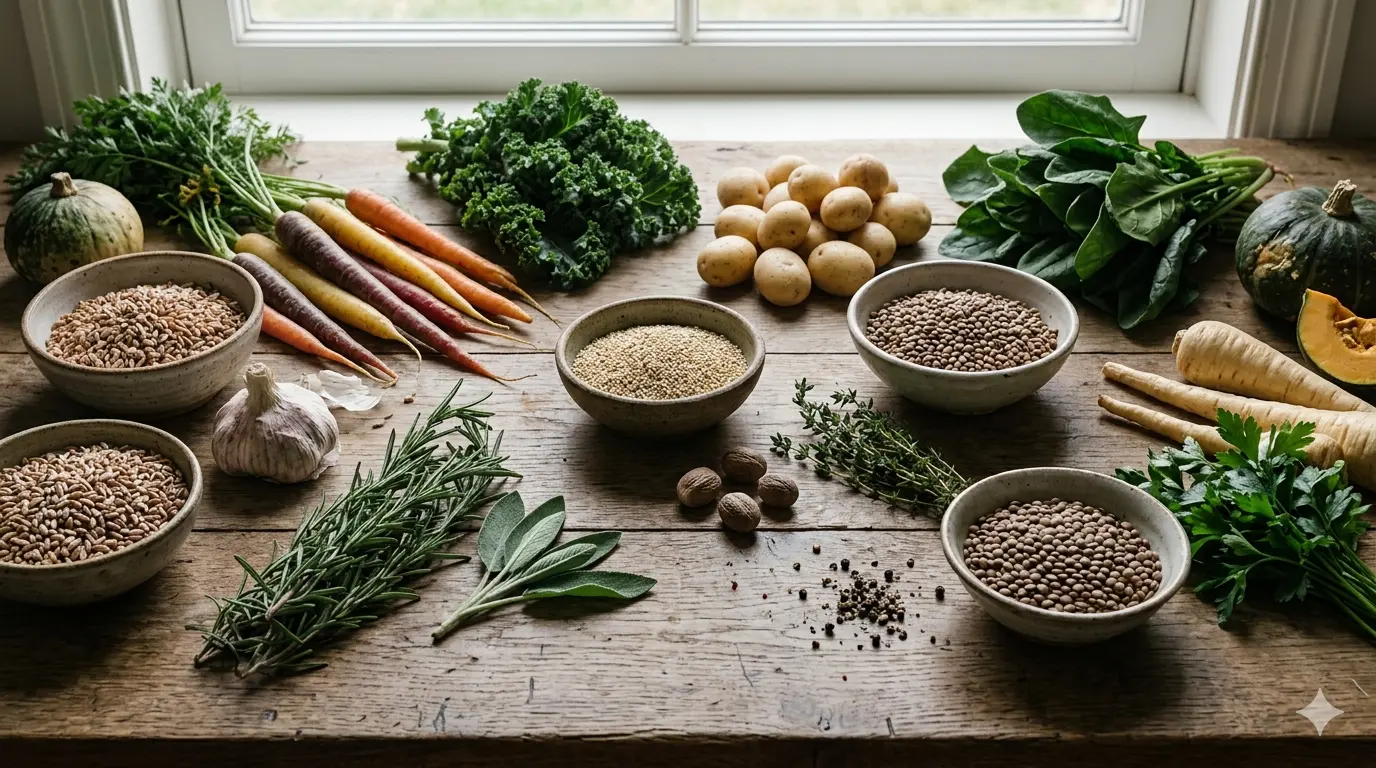
Cook It
The ingredients below are in season now, with how to actually cook them.
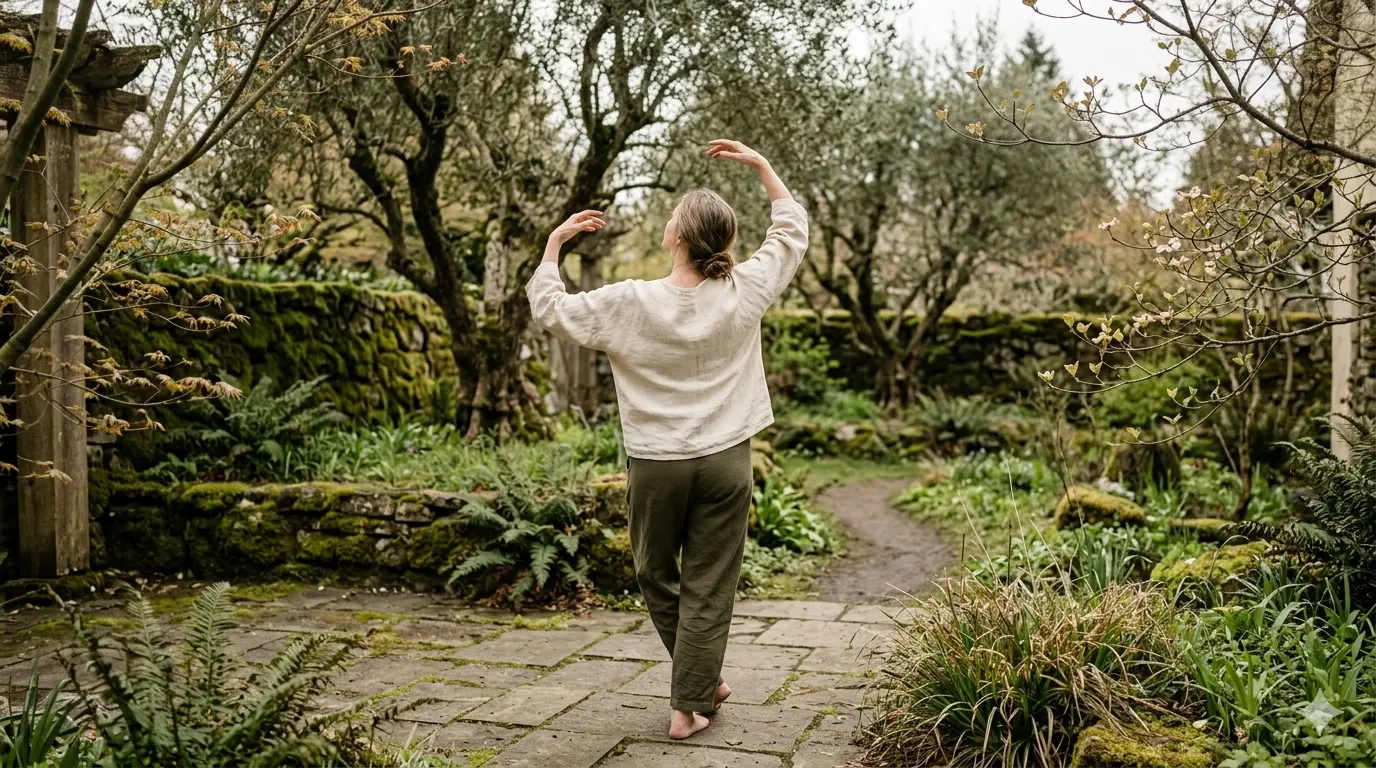
Move
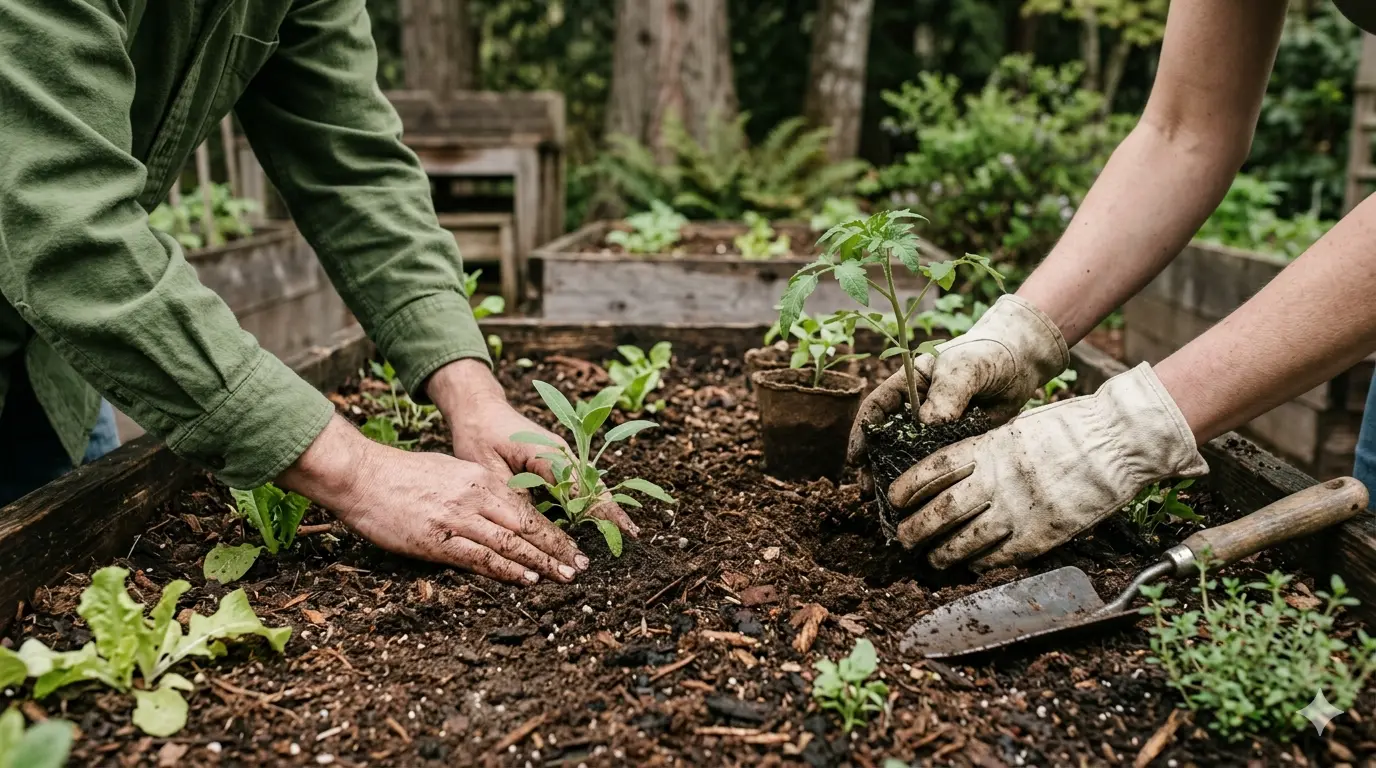
Grow & Cultivate
- Late summer vegetables reach final harvest — peppers and eggplants peak before cooler nights slow ripening
- Begin preparing soil for autumn greens: spinach, kale, mustard — sow within the next 7-10 days
- Start curing onions and garlic for winter storage — dry in a well-ventilated space for 2-3 weeks
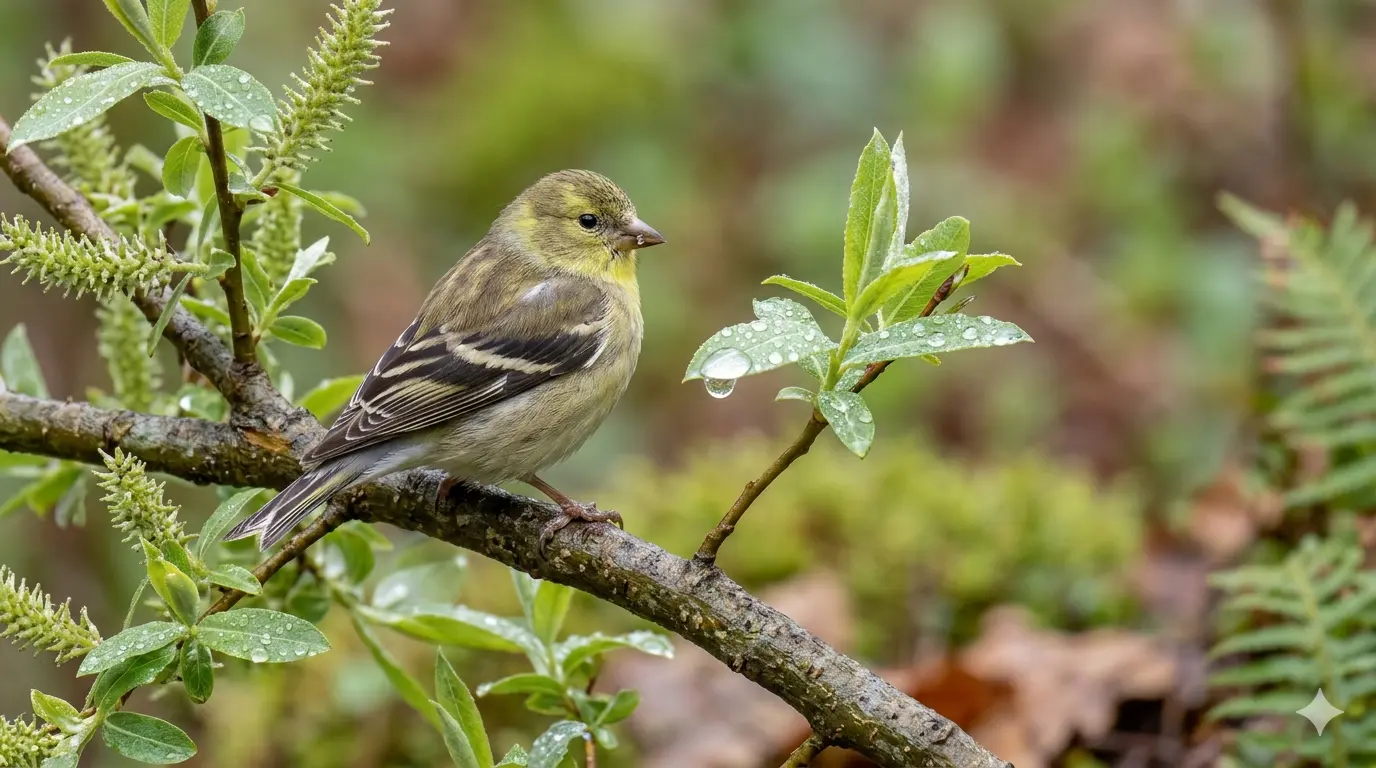
Ecology Signals
Animal behavior, migration, habitat changes
Migrating swallows gather on utility lines in pre-migration flocks of 50-200 birds, staging for the southward journey as insect populations begin their seasonal decline
Crickets start singing at dusk as temperatures cool below 20°C — their chirp rate begins the measurable slowing that will track cooling through the autumn
Grapes, late peaches, and early apples reach peak sugar concentration as cooler nights reduce respiratory losses in the fruit
Reflection
“Letting go is not loss — it is making space for the next cycle”
“Notice the small changes before they become obvious”
Taoist Reflection
This term's seasonal wisdom echoes a deeper theme in Taoist philosophy. Explore it further on Tales With Lee:
Taoism on Death and Letting GoSeasonal Essay
A deeper look at this solar term
Start of Autumn is the thirteenth solar term and the official beginning of autumn — though anyone standing in August heat knows the change is more in principle than in felt temperature. The term is about the shift in direction: yang has peaked and begun its descent, even if the accumulated warmth of summer hasn’t yet dissipated.
The signal is subtle. It’s not in the thermometer but in the quality of light — a slight angling, an earlier evening. Evening arrives 30-40 minutes earlier than at the summer solstice, and in Northern China the first poplar and willow leaves show yellow edges, the earliest deciduous response to the shortening days. Morning dew becomes heavier and lingers longer after sunrise as overnight cooling intensifies. Within a single week the humidity breaks — the air shifts from oppressive to crisp. Compared to Major Heat, where survival meant managing extreme temperatures, Start of Autumn brings the first permission to exhale.
The animal world registers the change before most humans do. In Hebei, migrating swallows begin gathering on utility lines in pre-migration flocks of 50-200 birds, staging for the southward journey as insect populations begin their seasonal decline. Crickets start singing in the cooler evening hours — a traditional seasonal marker audible from late August onward — and their chirp rate begins the measurable slowing that will track the cooling all the way through autumn. Late summer fruits reach peak sweetness as cooler nights reduce the respiratory losses that dilute sugar concentration: grapes, late peaches, and early apples all taste their best in this window.
In traditional medicine, autumn is associated with the lungs — the organ of taking in and letting go. Practices shift toward deepening the breath, opening the chest, and beginning to turn inward after summer’s outward expansion. Foods move from cooling toward moistening: steamed pears with rock sugar to counter the dryness autumn will bring, white fungus and lotus seed soup for its hydrating quality, sautéed pumpkin with ginger to warm the digestion as the evenings cool. The emphasis is on preparing the body for the dry, cool months ahead.
For the garden, Start of Autumn is a final push rather than a wind-down. Late summer vegetables — peppers and eggplants — reach their last harvest before cooler nights slow ripening. Prepare soil for autumn greens like spinach, kale, and mustard, sowing within the next 7-10 days. And start curing onions and garlic for winter storage, drying them in a well-ventilated space for 2-3 weeks.
This term points toward Limit of Heat, when the temperature finally breaks, and then White Dew, when morning moisture becomes visible — and beyond them the arc of autumn continues through the Autumn Equinox, Cold Dew, and Frost Descent. The body now benefits from beginning to store rather than expend — a gradual shift that mirrors the season’s slow, elegant retreat. If you want to know whether autumn has truly begun, the guide to when autumn actually starts and the Start of Autumn seasonal guide both take the question seriously — because the answer is less about the calendar and more about noticing the small shifts before they become obvious.
A practice worth setting up now: Tai Chi Walking for Seasonal Transitions offers a gentle 7-day routine built for exactly this window — a moment to reduce intensity and rebuild rhythm rather than push performance.
Frequently Asked Questions about Start of Autumn
Quick answers to common questions about Start of Autumn (立秋) — its dates, foods, and natural signs.
What is Start of Autumn (立秋) and why is it called the beginning of autumn when it is still hot?
Start of Autumn (立秋, Lìqiū) is the thirteenth solar term and the official beginning of autumn — but the change is more in principle than in felt temperature. The term is about a shift in direction: yang has peaked and begun its descent, even if the accumulated warmth of summer has not yet dissipated. The signal comes first in light quality, not in the thermometer.
When does Start of Autumn occur and what weather defines it?
Start of Autumn typically falls around August 7–8 each year and lasts about 15 days until Limit of Heat (处暑). In 2026, it runs from August 8 to August 22. Evening arrives 30-40 minutes earlier than at the summer solstice, morning dew becomes heavier and lingers longer, and late summer humidity breaks — the air shifts from oppressive to crisp within a single week.
What signs show that autumn is beginning?
The signals are subtle: a slight angling of light, an earlier evening, morning dew that lingers longer, and the first yellow edges on poplar and willow leaves in Northern China. In Hebei, migrating swallows begin gathering on utility lines in pre-migration flocks of 50-200 birds (see Wikipedia, 'Swallow'). Crickets start singing in cooler evening hours, and late fruits reach peak sweetness as cooler nights concentrate sugars.
What foods and practices support the body at Start of Autumn?
Foods move from cooling toward moistening: in the traditional Chinese framework, steamed pears with rock sugar and white fungus and lotus seed soup are the classic autumn dishes for countering seasonal dryness, while sautéed pumpkin with ginger bridges summer's cooling foods and winter's warming stews. Practices shift toward the lungs — the organ of taking in and letting go — through Lung-Meridian Stretches and Evening Slow Breathing.
What garden work is needed during Start of Autumn?
Late summer vegetables reach their final harvest — peppers and eggplants peak before cooler nights slow ripening. Begin preparing soil for autumn greens like spinach, kale, and mustard, sowing within the next 7-10 days. Start curing onions and garlic for winter storage by drying them in a well-ventilated space for 2-3 weeks.
Start of Autumn is part of The Way of Nature Atlas — a broader exploration of ecological wisdom.