


Key Takeaways
The essentials of Limit of Heat in under a minute.
- This term: Limit of Heat (处暑) is the 14th solar term of the 24-term year, running August 23 – September 7.
- What happens in nature: Summer heat finally breaks — the first morning when standing outside feels crisp rather than warm
- Why it matters: The body recognizes this shift before the mind does — appetite changes, sleep deepens, and the impulse to move outdoors returns after weeks of heat avoidance.
- Shift since last term: The theoretical beginning of autumn becomes the felt reality — what was announced two weeks ago is now physically present
- Moving toward: Cooling intensifies to the point where overnight condensation becomes visible dew
- Start here: Begin with Qigong for Autumn: The 立秋–秋分 Daily Protocol.
Core Definition
Summer heat reaches its limit and begins to recede — the first morning of crisp air marks the definitive boundary between the hot season and the cooling season.
The body recognizes this shift before the mind does — appetite changes, sleep deepens, and the impulse to move outdoors returns after weeks of heat avoidance.
Transition
How this term sits between what came before and what comes next
- ←The theoretical beginning of autumn becomes the felt reality — what was announced two weeks ago is now physically present
- ←Residual summer heat that persisted through Start of Autumn finally dissipates
- →Cooling intensifies to the point where overnight condensation becomes visible dew
- →Night temperatures drop enough to trigger the first visible autumn signal
Phenology
What is happening in the natural world
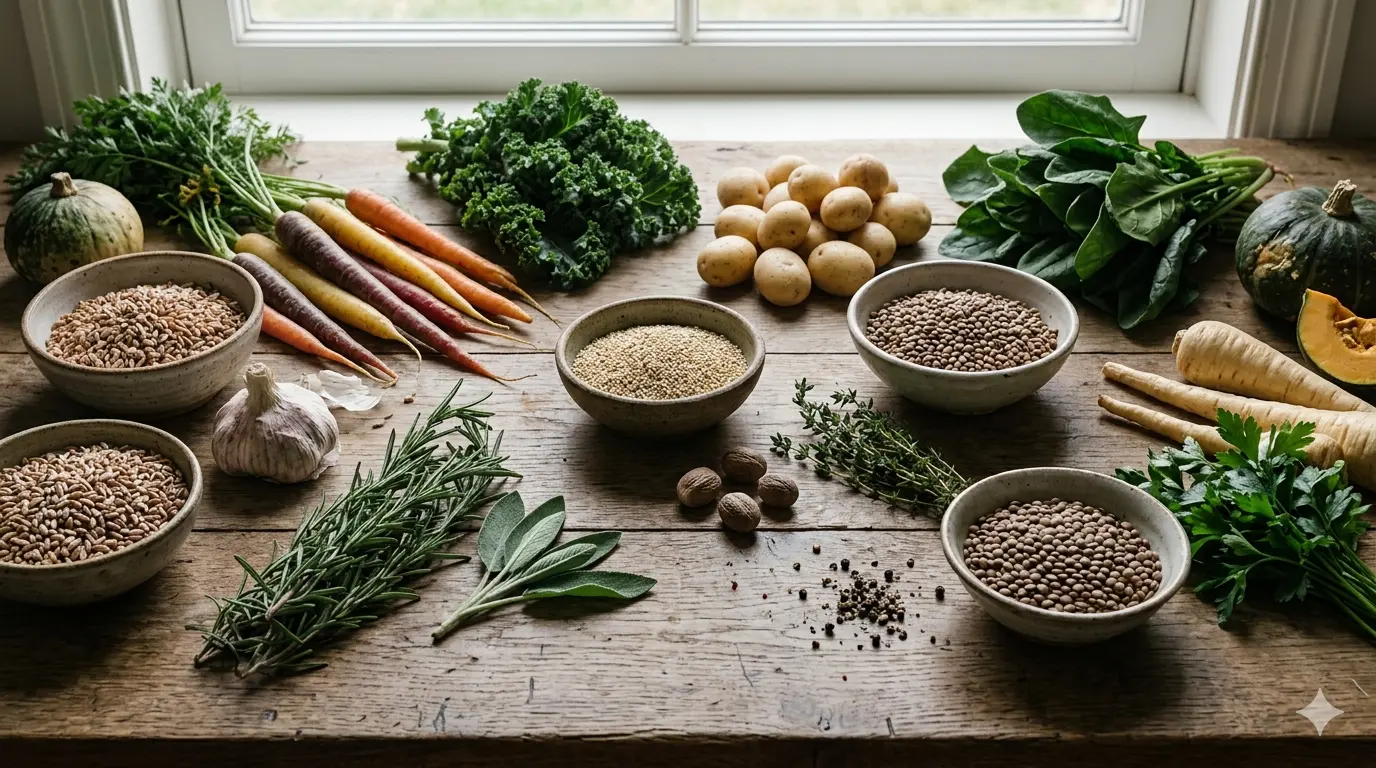
Cook It
The ingredients below are in season now, with how to actually cook them.
Move
Grow & Cultivate
- Begin drying harvested crops — lower humidity enables natural preservation
- Prepare storage spaces for winter provisions — clean, ventilate, and protect against pests
- Start sowing cool-season vegetables that will mature through autumn
Ecology Signals
Animal behavior, migration, habitat changes
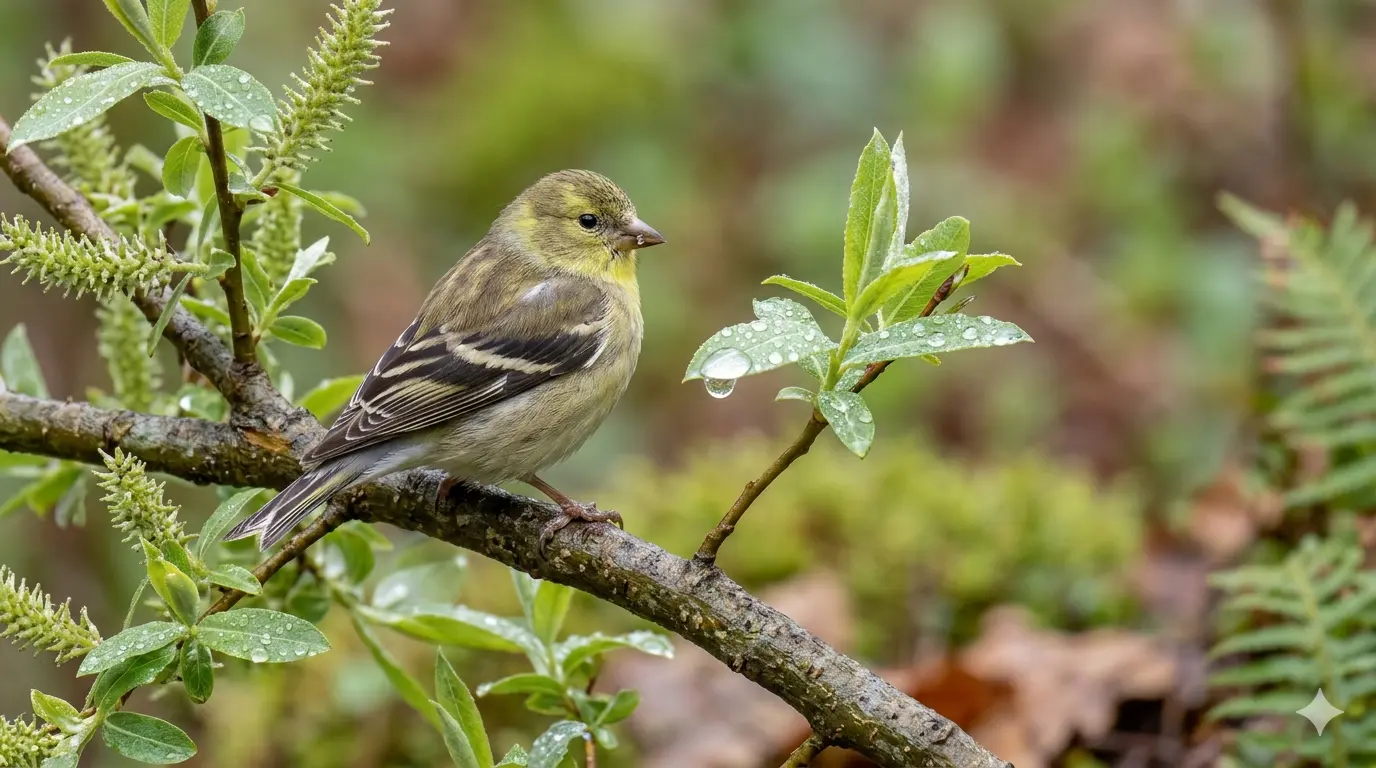
Crickets shift from summer calling patterns to autumn song — their chirp rate slows measurably as ambient temperature drops, creating a natural thermometer audible to anyone paying attention
Mosquito and fly populations drop sharply as overnight cooling exceeds the threshold for sustained cold-blooded activity, reducing the biting pressure that defined the summer months
Reflection
“Closure brings clarity — the end of one season sharpens perception of the next”
“Release the season fully — holding onto summer delays the body's autumn adaptation”
Taoist Reflection
This term's seasonal wisdom echoes a deeper theme in Taoist philosophy. Explore it further on Tales With Lee:
Returning in Taoism: The Movement I Keep Resisting and NeedingSeasonal Essay
A deeper look at this solar term
Limit of Heat is the solar term that most people in temperate climates experience without knowing its name. You step outside one morning in late August and the air is different — not just cooler, but qualitatively changed. The humidity that has been a constant companion since early summer has dropped. The sunlight feels less heavy. You notice, perhaps without articulating it, that summer is over. This moment — the first crisp morning after months of warmth — is what Limit of Heat marks in the solar calendar.
The character 处 means both “place” and “to stop” — the heat has found its limit, its stopping place, and from this point it recedes. The character 暑 means heat, specifically the oppressive, humid heat of high summer. Together they describe a boundary: here the heat ends. Not gradually, in the way of many seasonal transitions, but with a discernible shift in the quality of the air that most people can feel within a day or two of the term’s arrival.
Crickets are the most reliable biological signal of Limit of Heat. Cricket chirping rate is directly proportional to ambient temperature — a relationship so consistent that for the snowy tree cricket (Oecanthus fultoni), you can estimate the temperature in Fahrenheit by counting chirps for 15 seconds and adding 40. This is Dolbear’s Law, published in 1897 and confirmed by subsequent research. During Limit of Heat, as overnight temperatures drop, the cricket chorus shifts perceptibly. The rapid, high-pitched summer chirping slows to a deeper, more measured rhythm. This is not a poetic observation. It is a physical fact: the crickets are colder, therefore they move more slowly, therefore they sing at a lower frequency. The sound of autumn arriving is literally a slowing down.
For the body, Limit of Heat represents a genuine physiological transition. Appetite, which summer heat suppressed, returns — the body’s metabolic priorities shift from cooling to storage as the external temperature drops. Sleep deepens, partly because cooler nights allow more efficient thermoregulation, partly because the body’s seasonal clock registers the changing light and begins adjusting melatonin production. The impulse to move outdoors, to be active, to engage with the world — all of it returns after weeks of heat-induced torpor. These are not psychological responses to the idea of autumn. They are bodily responses to the physical reality of cooling.
The Deep Breathing Practice addresses the organ system that Chinese medicine associates with autumn — the Lungs, which govern the body’s boundary with the external environment. After a summer of open windows and outdoor living, the body needs to recalibrate its relationship to the air it breathes. Morning Joint Opening Sequence prepares the body for the stiffness that cooler, drier weather will bring, when synovial fluid becomes more viscous and joints require more deliberate warming before full range of motion is available.
The food traditions of this term are practical and precise. Lotus root, with its characteristic holes and crisp texture, is considered a cooling food that supports the Lungs — the cooling here is not the aggressive cooling of summer foods but a gentle preparation for autumn’s dryness. Duck, prepared with herbs, provides rich protein without the heating quality of lamb or beef, making it ideal for a body that is transitioning from summer’s light eating to autumn’s need for more substantial nourishment. Duck with cooling herbs sits exactly at the boundary that Limit of Heat defines: substantial enough for the coming season, light enough for the departing one.
This is a term of closure and release. The work of summer is done or nearly done — the harvest is underway but not yet urgent, the heat has broken but winter is not yet pressing. What remains is to mark the ending clearly, to honor the season that has passed, and to turn attention toward the gathering that autumn demands. Limit of Heat teaches that endings can be recognized without being mourned. Autumn is arriving. The crickets know it. The air knows it. The question is whether you do. The signs of the next term — White Dew — are already gathering in the mornings, and the discipline of noticing these changes is explored in the Atlas essay on seasonal observation.
Because this is the hinge between two seasons, it is also the moment to change how you practice. Qigong for Autumn sets out the seasonal shift from summer expansion to autumn gathering — the Sī sound, the Lung’s Metal breath, and a 15–20 minute daily protocol running from 立秋 to 秋分.
Frequently Asked Questions about Limit of Heat
Quick answers to common questions about Limit of Heat (处暑) — its dates, foods, and natural signs.
What is Limit of Heat (处暑) and why does it matter?
Limit of Heat (处暑, Chǔshǔ) is the fourteenth solar term and the point where summer heat reaches its limit and begins to recede. The character 处 means both 'place' and 'to stop' — the heat has found its stopping place. The body recognizes this shift before the mind does: appetite changes, sleep deepens, and the impulse to move outdoors returns after weeks of heat avoidance.
When does Limit of Heat occur and what weather defines it?
Limit of Heat typically falls around August 22–24 each year and lasts about 15 days until White Dew (白露). In 2026, it runs from August 23 to September 7. The defining feature is the first crisp morning — humidity drops noticeably, late summer thunderstorms become less frequent as the atmosphere stabilizes, and the quality of light shifts to a warmer, golden color with longer shadows.
Why are crickets used to measure temperature during this term?
Cricket chirping rate is directly proportional to ambient temperature — so consistent that for the snowy tree cricket (Oecanthus fultoni), you can estimate temperature in Fahrenheit by counting chirps for 15 seconds and adding 40. This is Dolbear's Law, published in 1897 (see Wikipedia, 'Dolbear's law'). During Limit of Heat, as overnight temperatures drop below 20°C, the rapid summer chirping slows to a deeper, more measured rhythm — the sound of autumn arriving is literally a slowing down.
What foods are recommended during Limit of Heat?
Lotus root soup with pork ribs bridges late summer and early autumn — in traditional Chinese food therapy, lotus root is considered moistening as the air dries. Duck with cooling herbs follows the same traditional logic: duck is considered a cooling protein, rich without the heating quality of lamb — ideal for a body transitioning from summer's light eating to autumn's need for more substantial food. Steamed eggplant with sesame, at its most flavorful in late summer, rounds out the transitional menu.
What natural phenomena mark Limit of Heat?
Morning dew appears reliably at dawn — the first visible moisture on grass since summer's humidity receded. Crickets begin their autumn singing as their chirp rate slows with cooling nights. Dragonfly numbers peak as they hunt the season's last major insect hatches, while mosquito and fly populations drop sharply once overnight cooling exceeds the threshold for sustained cold-blooded activity.
Limit of Heat is part of The Way of Nature Atlas — a broader exploration of ecological wisdom.