
Key Takeaways
The essentials of Clear and Bright in under a minute.
- This term: Clear and Bright (清明) is the 5th solar term of the 24-term year, running April 5 – April 19.
- What happens in nature: Skies turn reliably clear as spring rain patterns stabilize
- Why it matters: This is the first term where spring feels fully reliable — cold snaps become rare, outdoor life resumes, and the body can shift from protection to engagement.
- Shift since last term: Balanced day and night give way to noticeably longer daylight
- Moving toward: Spring rain intensifies, ending the clear-sky pattern
- Start here: Begin with Tai Chi Walking: How It Works and How to Begin.
Core Definition
Skies clear and the world is washed fresh after spring rains. The landscape turns vivid green and temperatures settle into steady warmth.
This is the first term where spring feels fully reliable — cold snaps become rare, outdoor life resumes, and the body can shift from protection to engagement.
Transition
How this term sits between what came before and what comes next
- ←Balanced day and night give way to noticeably longer daylight
- ←Cold snaps that were still possible during Spring Equinox become rare
- →Spring rain intensifies, ending the clear-sky pattern
- →Growth shifts from steady to rapid as soil reaches full planting temperature
Phenology
What is happening in the natural world
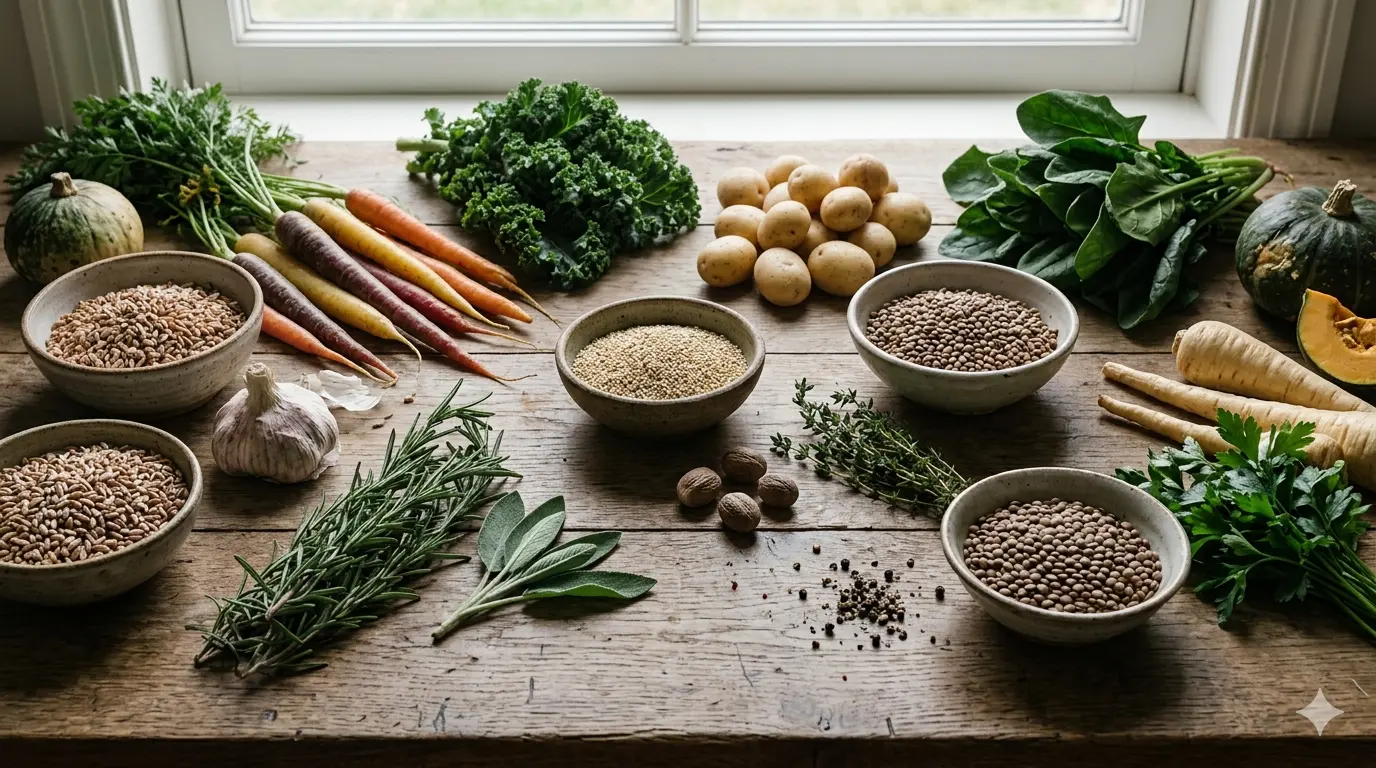
Cook It
The ingredients below are in season now, with how to actually cook them.
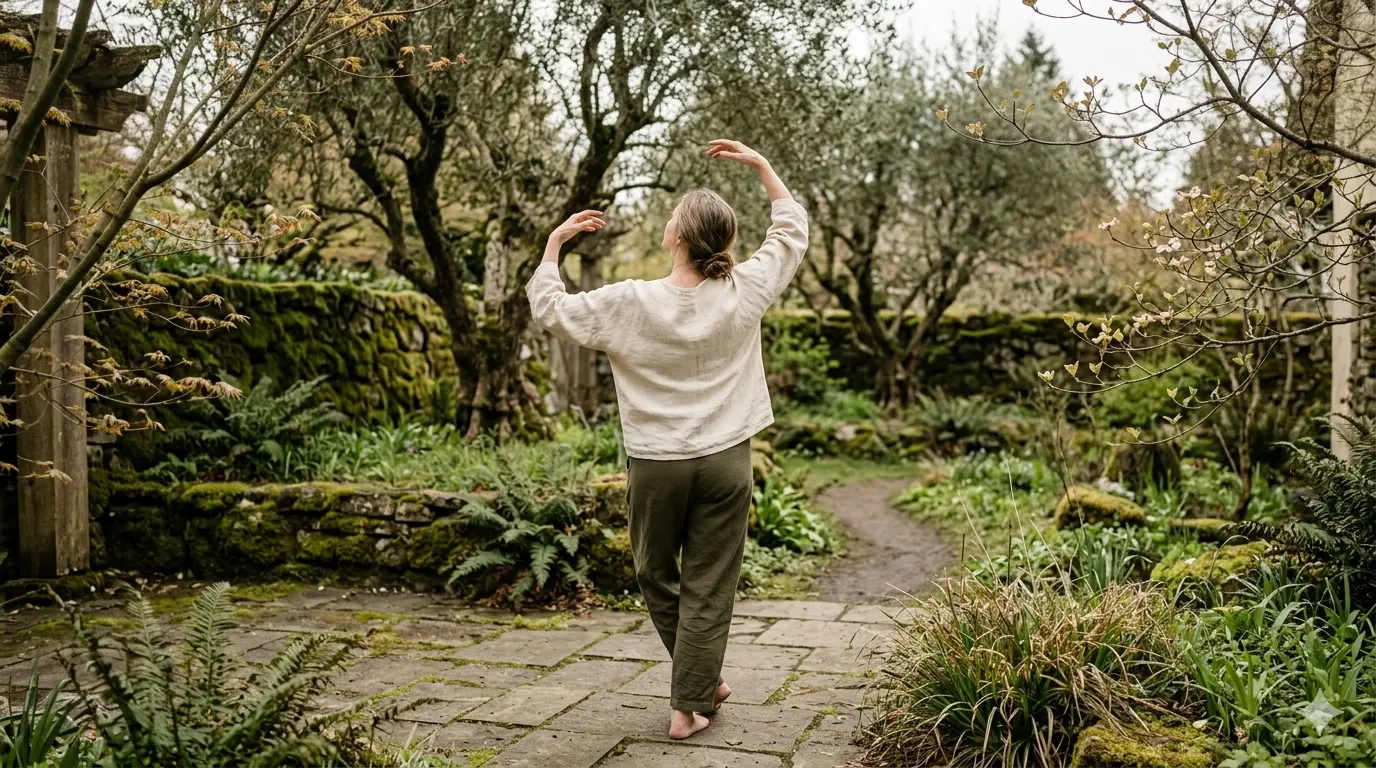
Move
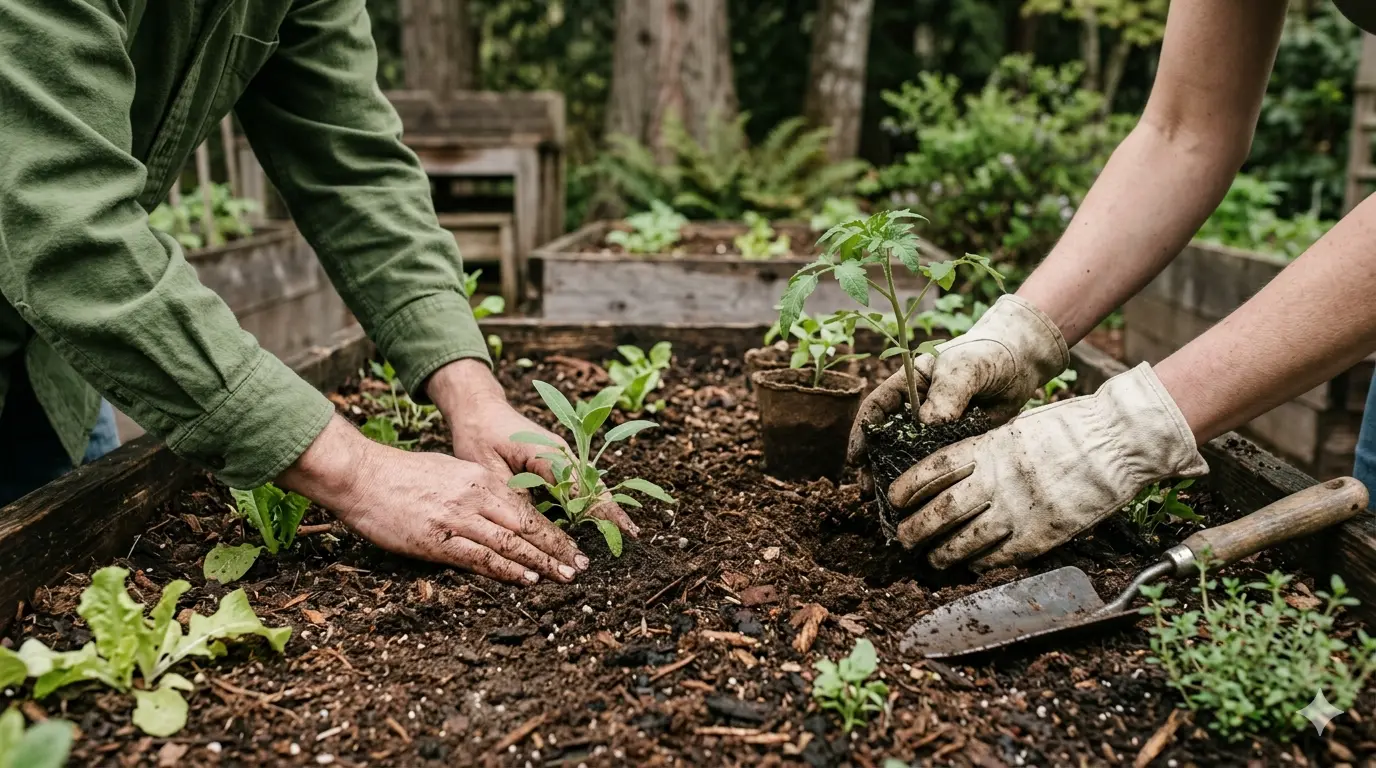
Grow & Cultivate
- Prime transplanting window — roots establish fastest in warm (12°C+), moist soil
- Direct-sow warm-season greens: chard, bok choy, amaranth
- Begin monitoring for early-season pests: aphids on new growth, slugs in damp areas
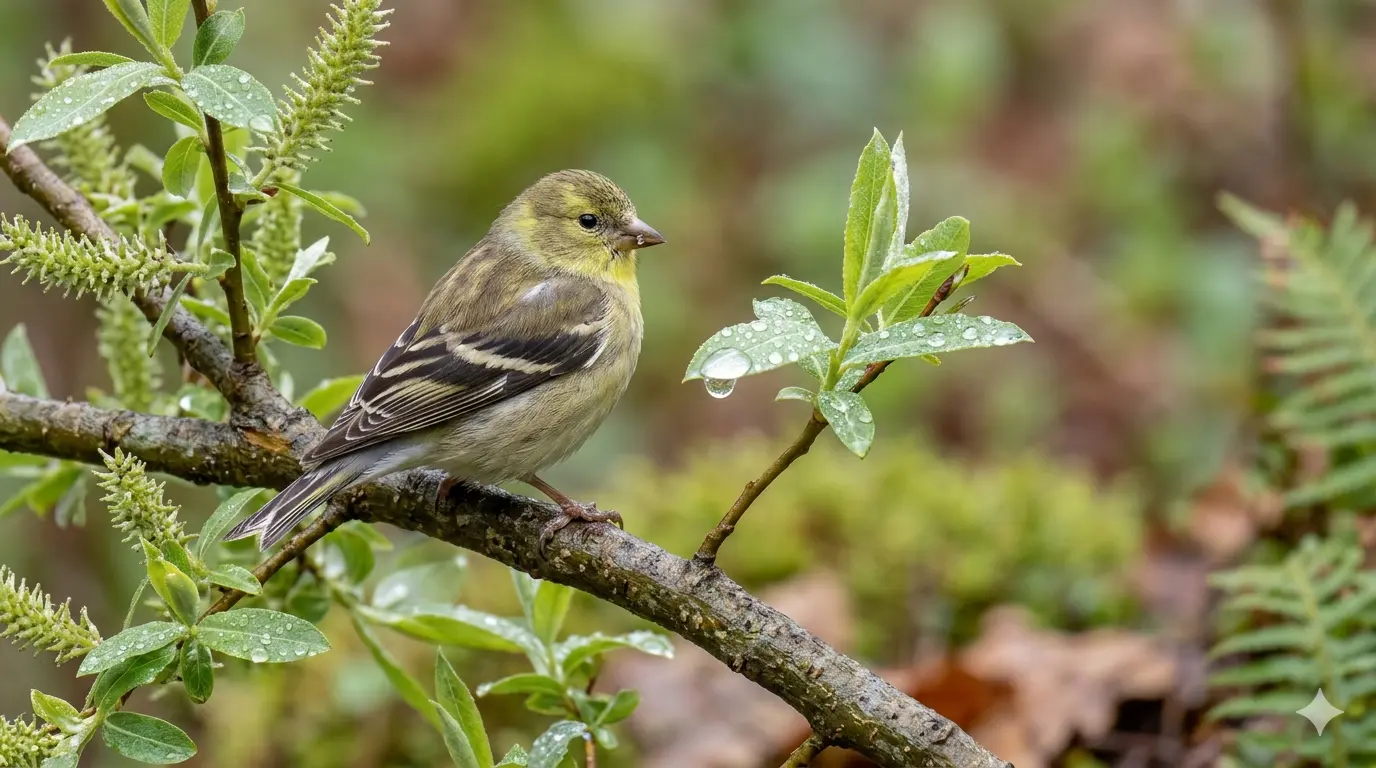
Ecology Signals
Animal behavior, migration, habitat changes
Frogs and toads begin dusk calling as water temperatures stabilize above 12°C in ponds and paddies
Cabbage white butterflies (Pieris rapae) emerge — one of the earliest butterfly species, visible in gardens and field margins
Pasture and lawn grasses shift from winter pale to deep green within a single week as chlorophyll production peaks
Reflection
“Clarity is a seasonal event, not a permanent state — it arrives with this term's weather pattern and will pass”
“The practice of tending graves during the brightest season teaches that remembering the dead is not morbid — it is seasonal, like everything else”
Taoist Reflection
This term's seasonal wisdom echoes a deeper theme in Taoist philosophy. Explore it further on Tales With Lee:
Stillness in Taoism: The Kind That Clarifies Rather Than EscapesSeasonal Essay
A deeper look at this solar term
Clear and Bright marks the moment when spring’s damp, transitional weather gives way to stable, luminous days. The name is literal: the air is clear, the light is bright, and the landscape appears washed clean after the rains of Grain Rain’s predecessor terms.
This term carries a dual character unique among the 24. It is both a celebration of spring at its most beautiful — families picnic outdoors, kites fill the sky, the countryside is traveled and enjoyed — and the Qingming Festival, when graves are tended and ancestors honored. The living world is at its most vivid, and the dead are remembered. These are not contradictory; in the seasonal logic, they are the same gesture.
Moving from Spring Equinox, where balance was the theme, Clear and Bright tips decisively toward yang: warmth, outward activity, community, visibility. It anticipates Grain Rain, when growth becomes almost aggressive. The body at this time benefits from outdoor movement, chest-opening practices that counter winter’s hunched posture, and the first truly fresh foods of the year — tender greens, early herbs, cold-brewed teas.
The agricultural calendar moves decisively here. Soil temperatures cross 12°C in much of the country, opening the prime transplant window for spring crops. It is a direct-sow term too — chard, bok choy, and amaranth go straight into prepared beds — while the first aphids and slugs arrive with the warming nights and need monitoring. In Beijing, this is the great kite season, paper shapes rising on steady spring winds. Around the Yangtze, evening frog choruses begin as pond water passes 12°C, and the first cabbage white butterflies (Pieris rapae) appear on garden greens. Grass that was grey two weeks ago greens within a single week.
The practices of Clear and Bright extend the theme of clarity into the body. With day length now pushing past the equinox’s balance, natural light exposure becomes a meaningful habit: a short outdoor walking meditation in the morning anchors the body’s circadian rhythm to the season’s expanding light. Chest-opening qigong and arm circles counter the hunched posture that winter’s cold encourages — standing tall and breathing open is not cosmetic but structural, freeing the ribcage that indoor months compress. The same logic that sends kites into Beijing’s spring winds — light, air, lift — applies to the chest: open it, and spring feels less like an idea and more like a fact, the kind of embodied knowledge the Atlas essay on seasonal memory describes as attention made physical.
Food follows the same clarity. Cold-brewed spring tea replaces the heavy broths of winter. Stir-fried pea shoots — sweet, tender, harvested in their first weeks — are the vegetable of the term. And for the Qingming Festival itself, families make qingtuan: glutinous rice balls colored green with mugwort juice, steamed and offered to ancestors before being eaten together. The living and the remembered share the same table, and the same brightness. Grain Rain continues the theme as the last term of spring.
Frequently Asked Questions about Clear and Bright
Quick answers to common questions about Clear and Bright (清明) — its dates, foods, and natural signs.
What is Clear and Bright (清明) and how is it different from other solar terms?
Clear and Bright (清明, Qīngmíng) is the fifth solar term and carries a dual character unique among the 24 terms. It is both a celebration of spring at its most beautiful — when families picnic outdoors, kites fill the sky, and the countryside is enjoyed — and the Qingming Festival (Tomb Sweeping Day), when graves are tended and ancestors honored. The name is literal: the air is clear, the light is bright, and the landscape appears washed clean after spring rains.
When does Clear and Bright occur and what is the Qingming Festival?
Clear and Bright typically falls around April 4–6 each year and lasts about 15 days until Grain Rain (谷雨). In 2026, it runs from April 5 to April 19. The Qingming Festival (Tomb Sweeping Day) is its most culturally significant component — families visit ancestral graves to clean them, make offerings of food and paper offerings, and pay respects. It is one of the most important traditional Chinese holidays, combining remembrance of the dead with celebration of the living spring landscape.
What traditional foods are eaten during Clear and Bright?
Clear and Bright foods are fresh, light, and often green. Traditional dishes include cold brew spring tea (the first green teas of the year), stir-fried spring pea shoots, and qingtuan (青团) — green glutinous rice balls filled with sweet bean paste, colored with mugwort or barley grass juice. Cold-brewed teas are especially appropriate as they avoid heating the body while providing the antioxidants of fresh spring tea leaves.
What health practices are recommended during Clear and Bright?
This term's clear, stable weather makes it ideal for outdoor movement. Recommended practices include outdoor walking meditation in natural light, chest-opening qigong sequences that counter winter's hunched posture, and activities that combine movement with fresh air. The body benefits from practices that open the chest and heart area — both physically and emotionally. It's a time to emerge from indoor winter living and reconnect with the natural world in its most luminous state.
What natural signs define Clear and Bright?
Clear and Bright brings reliably beautiful weather: skies turn clear as spring rain patterns stabilize, soil temperatures cross 12°C triggering widespread seed germination, frog and toad choruses begin at dusk in ponds and rice paddies, first cabbage white butterflies appear in gardens, and lawn grasses shift from pale winter green to deep spring green within a single week (see Wikipedia, 'Pieris rapae'). In northern China, kite-flying season peaks with steady spring winds and perfect visibility.
Clear and Bright is part of The Way of Nature Atlas — a broader exploration of ecological wisdom.