
Key Takeaways
The essentials of Start of Spring in under a minute.
- This term: Start of Spring (立春) is the 1st solar term of the 24-term year, running February 4 – February 18.
- What happens in nature: Temperatures begin to rise — the first 3-day average above freezing in northern latitudes
- Why it matters: This is the root of the entire seasonal calendar — everything that follows depends on this moment of turning.
- Shift since last term: Frozen soil begins to thaw from the surface down
- Moving toward: Snow transitions to rain in mid-latitude regions
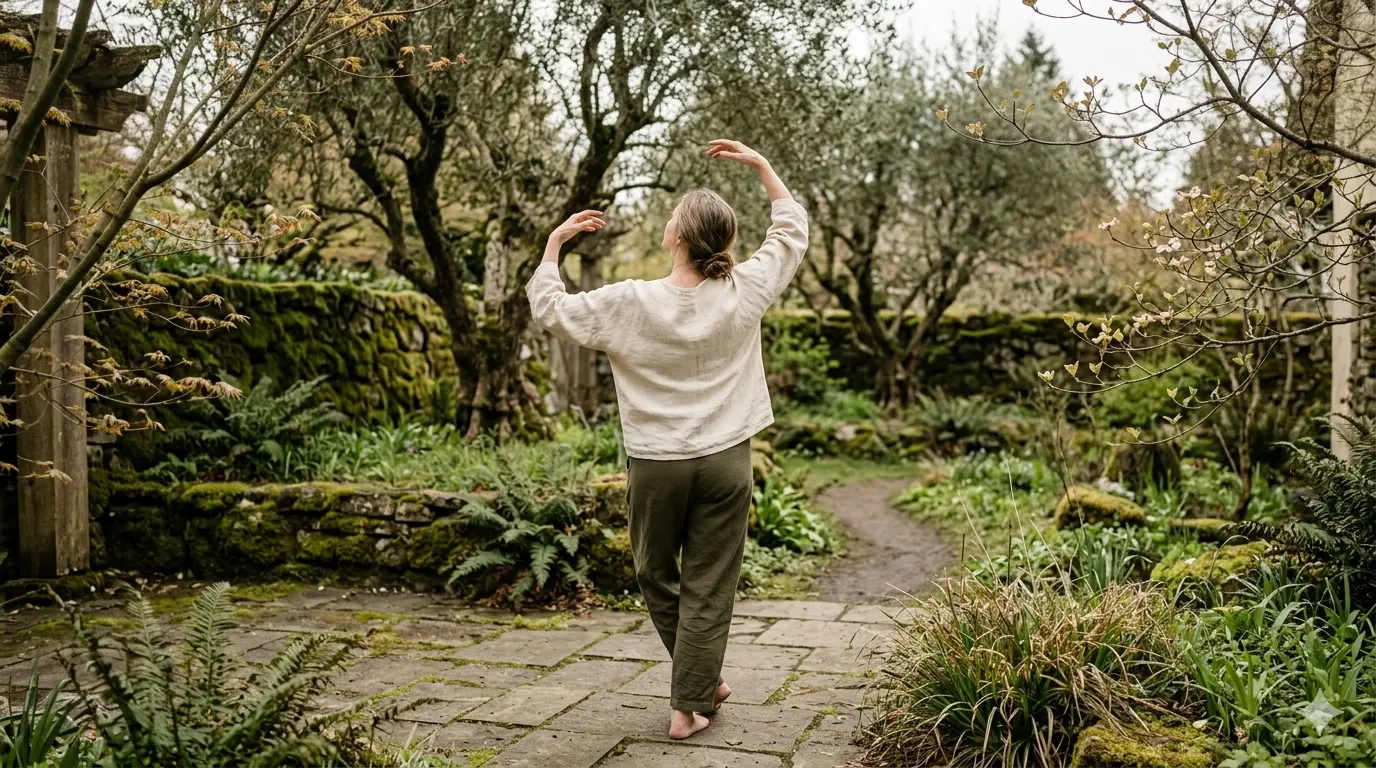
- Start here: Begin with Ba Duan Jin: The Eight-Piece Morning Brocade.
Core Definition
The first solar term marks winter's end and the beginning of yang's annual rise.
This is the root of the entire seasonal calendar — everything that follows depends on this moment of turning.
Transition
How this term sits between what came before and what comes next
- ←Frozen soil begins to thaw from the surface down
- ←First measurable temperature increase after the coldest period
- →Snow transitions to rain in mid-latitude regions
- →Soil moisture builds toward pre-planting levels
Phenology
What is happening in the natural world
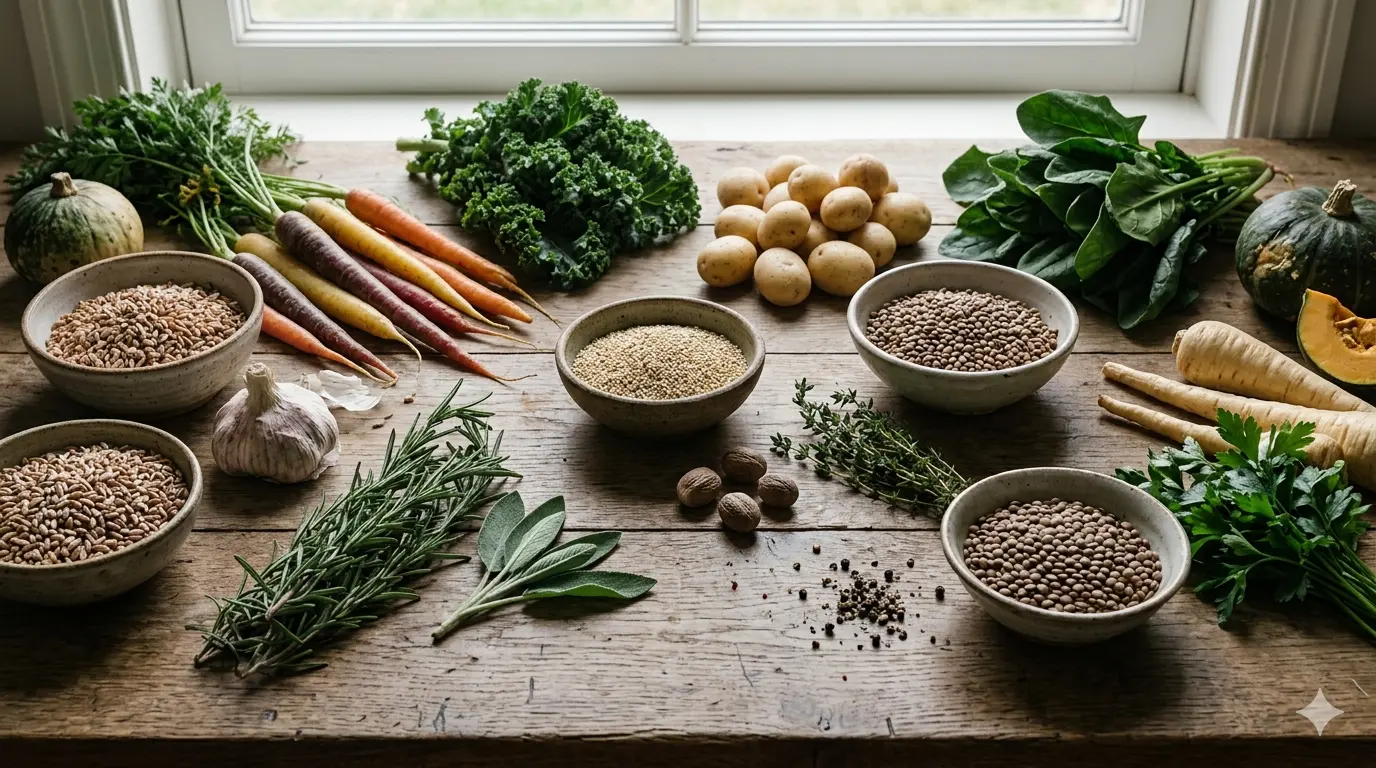
Cook It
The ingredients below are in season now, with how to actually cook them.
Move
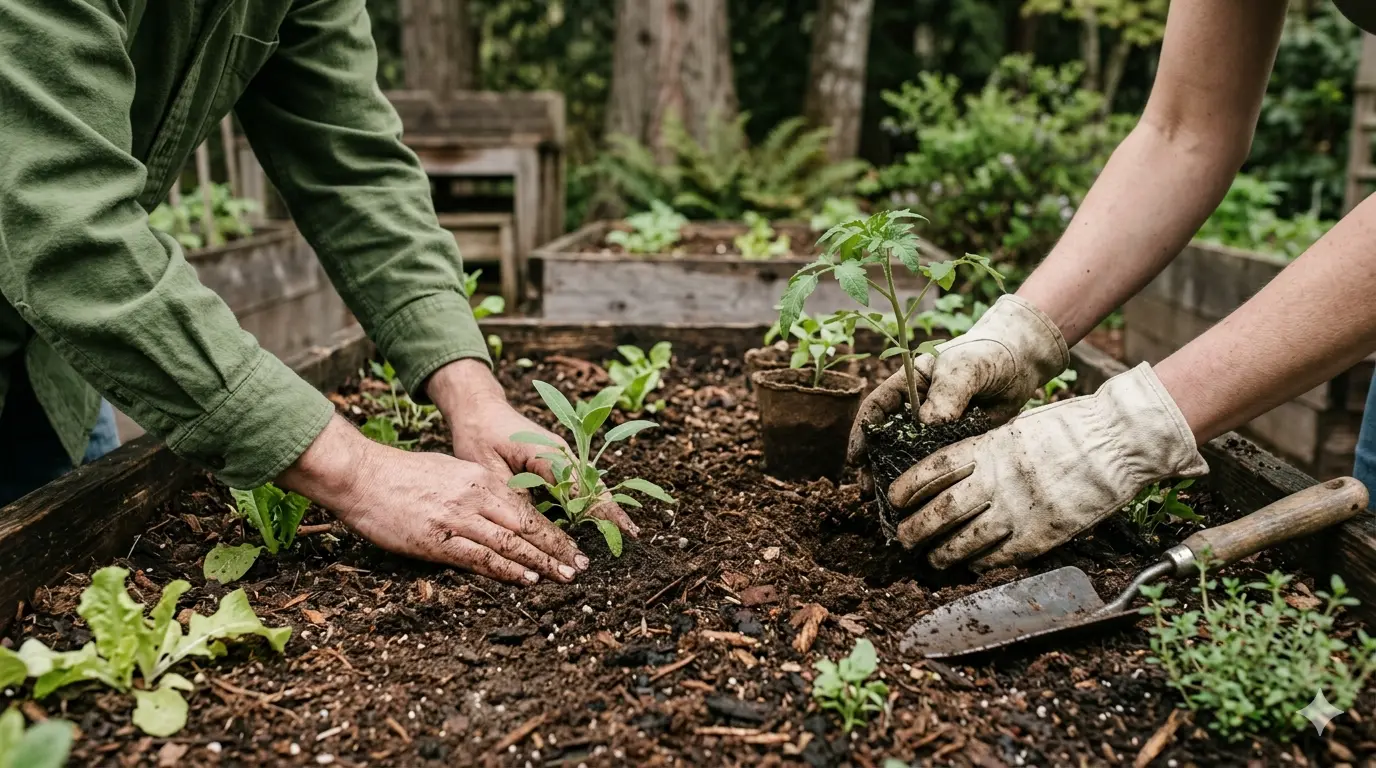
Grow & Cultivate
- Prepare soil for planting — turn compost into beds while ground is workable but not frozen
- Start cold-hardy greens indoors: kale, spinach, lettuce
- Prune fruit trees and woody shrubs before sap fully rises
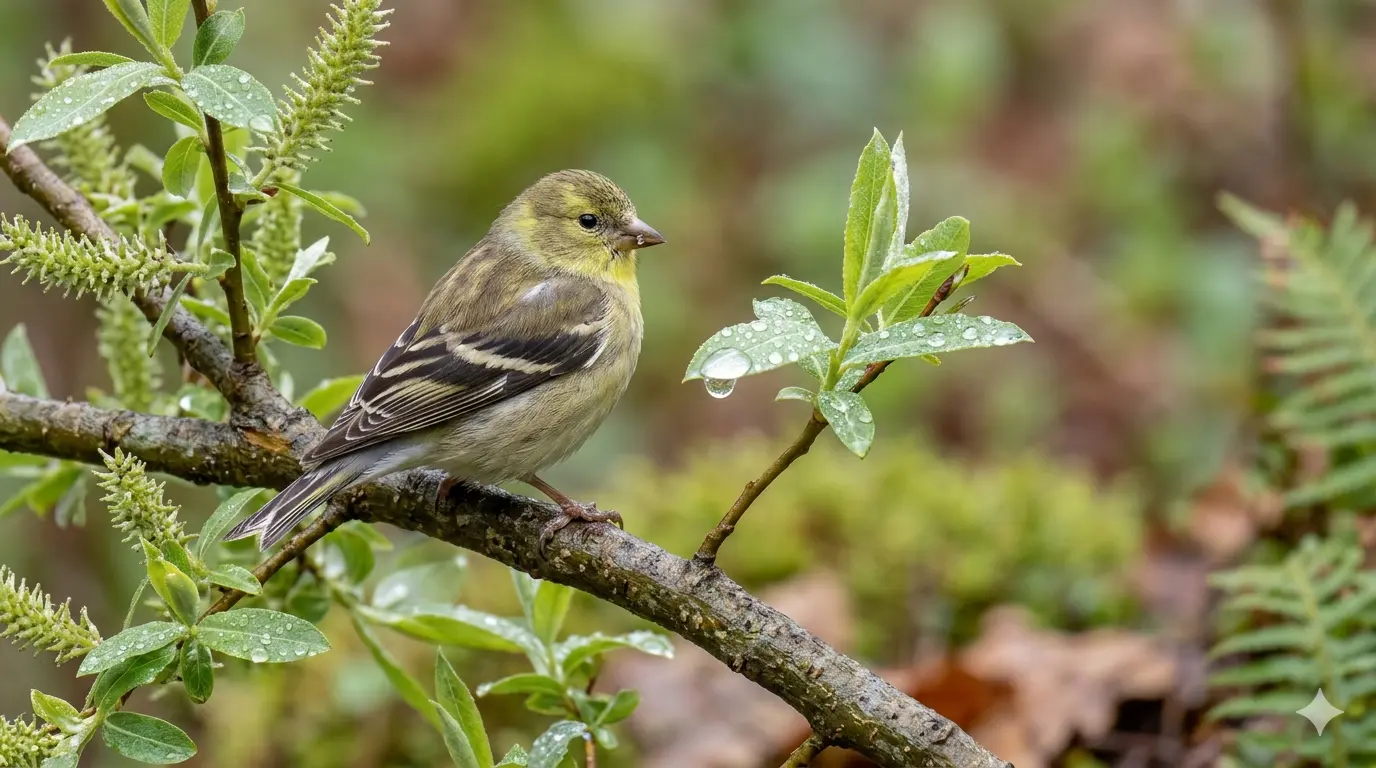
Ecology Signals
Animal behavior, migration, habitat changes
Overwintering insects — flies, small beetles — stir on warm afternoons when wall surfaces reach 10°C
Resident birds shift from winter silence to territorial calls; great tits and magpies are the first to vocalize
South-facing slopes and dark-soil patches lose snow first; the ground begins absorbing heat instead of reflecting it
Reflection
“Beginnings are directional, not sensory — you feel the shift before you can prove it”
“The ground thaws from the surface down. So does the body. Give both time”
Taoist Reflection
This term's seasonal wisdom echoes a deeper theme in Taoist philosophy. Explore it further on Tales With Lee:
Timing in Taoism: Why When You Act MattersSeasonal Essay
A deeper look at this solar term
Start of Spring marks the beginning of the solar year. Though the air may still carry winter’s chill, the earth has begun its shift toward warmth. In traditional Chinese thought, this is the moment when yang energy begins its annual rise. The character 立 (li) means “to stand” or “to establish” — this is the day spring stands up and declares itself, even if nobody feels it yet.
The change at Start of Spring is directional rather than sensory. A thermometer may show little difference from the last days of Major Cold. But the light has been lengthening for weeks, and the soil — insulated beneath its winter crust — has already begun the slow process of thaw. The first measurable signals are subtle: a south-facing slope that melts a day earlier, a bud that swells just enough to notice, a bird that calls at a slightly earlier hour. These are not proof of spring. They are the conditions under which proof will later arrive.
Beneath the surface, the earth is already working. The top 5-10 cm of soil is the first layer to reactivate — microbial communities resume decomposition in the warmed surface crust. In Beijing, overwintering insects appear on south-facing walls in the afternoon sun, drawn out by surface temperatures near 10°C; in Jiangnan, willow catkins offer the earliest color of the year. Birds are already claiming territory — great tits and magpies sing with a purpose that was absent a month ago. South-facing snow, which melts 3-5 days earlier than shaded ground, marks the microclimate of spring’s arrival. This is also the moment to prune fruit trees, before the sap begins to rise and fresh cuts bleed. The agricultural rhythm is quiet but precise: turn compost into the beds while the ground is workable but not frozen, and start cold-hardy greens — kale, spinach, lettuce — indoors, where the soil is warmer than it is outside. None of this is spectacular. It is positioning, done early, so that spring arrives on schedule rather than late.
The traditional food of the term is 咬春 (yǎo chūn) — “biting spring” — spring pancakes rolled around the season’s first tender shoots and chives. The meal is a statement: not waiting for warmth, but eating the first green things as they arrive. Light miso soup, steamed bamboo shoots, and early greens follow the same logic — spring foods are fresh and growing, not heavy and stored.
This term teaches the value of gentle, sustained attention over dramatic intervention. The agricultural tasks of early February — preparing soil, starting seeds indoors — are not spectacular. They are acts of faith performed in cold weather. The body, too, benefits from this rhythm: not sudden bursts of exercise after winter’s stillness, but gradual, consistent movement that mirrors the earth’s own pace. Like the first green shoots, the best way to begin is quietly and without forcing. The growth will come. The ground needs time to accept it. For the philosophy of seasonal living behind this opening, read the Atlas essay on seasonal living, and see how the term’s traditions unfold in the Start of Spring traditions.
Frequently Asked Questions about Start of Spring
Quick answers to common questions about Start of Spring (立春) — its dates, foods, and natural signs.
What is Start of Spring (立春) and what does it signify in the 24 solar terms?
Start of Spring (立春, Lìchūn) is the first of the 24 solar terms, marking the beginning of the solar year. It signifies the moment when yang energy begins its annual rise and winter's cold starts to recede. Despite still-cold temperatures in many regions, the earth begins to thaw underground, and the natural world starts its gradual shift toward renewal.
When does Start of Spring occur and how long does it last?
Start of Spring typically occurs around February 3–5 each year in the Gregorian calendar and lasts for approximately 15 days until Rain Water (雨水) begins. In 2026, Start of Spring runs from February 4 to February 18. The specific date varies slightly each year because the 24 solar terms follow the solar year rather than the lunar calendar.
What are the traditional customs and foods associated with Start of Spring?
The most well-known tradition is 'biting the spring' (咬春, yǎo chūn), where people eat spring pancakes (春饼, chūn bǐng) filled with fresh vegetables and spring rolls. In northern China, families gather to make and share these pancakes as a symbol of welcoming the new season. Traditional foods emphasize fresh, light ingredients that support the body's transition from winter's heavy diet toward spring's lighter fare.
How should I adjust my health and exercise routine for Start of Spring?
Traditional health wisdom recommends gentle, gradual movement rather than sudden intense exercise. The body is still transitioning from winter's contraction — practices like gentle morning stretches, tai chi, and liver-meridian awakening sequences support the body's natural shift. The focus should be on consistent, moderate activity that mirrors the earth's slow thaw rather than dramatic changes. Foods that support liver function, such as leafy greens and sprouted grains, are traditionally emphasized.
What natural signs indicate that Start of Spring has arrived?
Start of Spring brings subtle but measurable natural signals: soil begins to thaw from the surface down, dormant buds on willows and poplars swell visibly at branch tips, birds shift from winter silence to territorial calls (great tits and magpies are often the first), and south-facing slopes lose snow cover 3-5 days before north-facing ones (see Wikipedia, 'Aspect (geography)'). The signs are directional rather than dramatic — you feel the shift before you can fully see it.
Start of Spring is part of The Way of Nature Atlas — a broader exploration of ecological wisdom.