Seasonal Guide
Practical wisdom for living in rhythm with the seasons.
Explore simple ways to eat, move, grow, and connect
with nature—throughout the year.
Practical wisdom for living in rhythm with the seasons.
Explore simple ways to eat, move, grow, and connect
with nature—throughout the year.
Dao of Seasons works as a two-week loop. You do not need to read everything. You do not need to learn all 24 terms. Just check in when the term changes, do one thing, and move on.
Go to the Current term page. It always shows where we are now in the cycle. You do not need to know the whole calendar.
Go to CurrentEach term offers four action areas: Eat, Move, Grow, Observe. Pick one. Do not try to do all four. One action per term is the practice.
Each term page has a Core Definition, Transition notes, and a Seasonal Essay. Read it after doing your action. Understanding grows from practice.
Each action links to a related site for deeper knowledge: Missing Umami for food, Tai Chi Wuji for movement, Frugal Organic Mama for gardening.
In about two weeks, the term changes. Come back. Check the new Current term. Do one thing. This is the loop.
See full cycleThe Atlas explains the concepts and ecology behind seasonal practice. When you are ready, explore why eating and moving with the seasons works.
Visit AtlasFood tastes better and nourishes deeper when it's in season. These guides help you choose ingredients, cook with simplicity, and support your body's natural rhythm all year round.
Why Seasonal Eating? Browse Seasonal Guides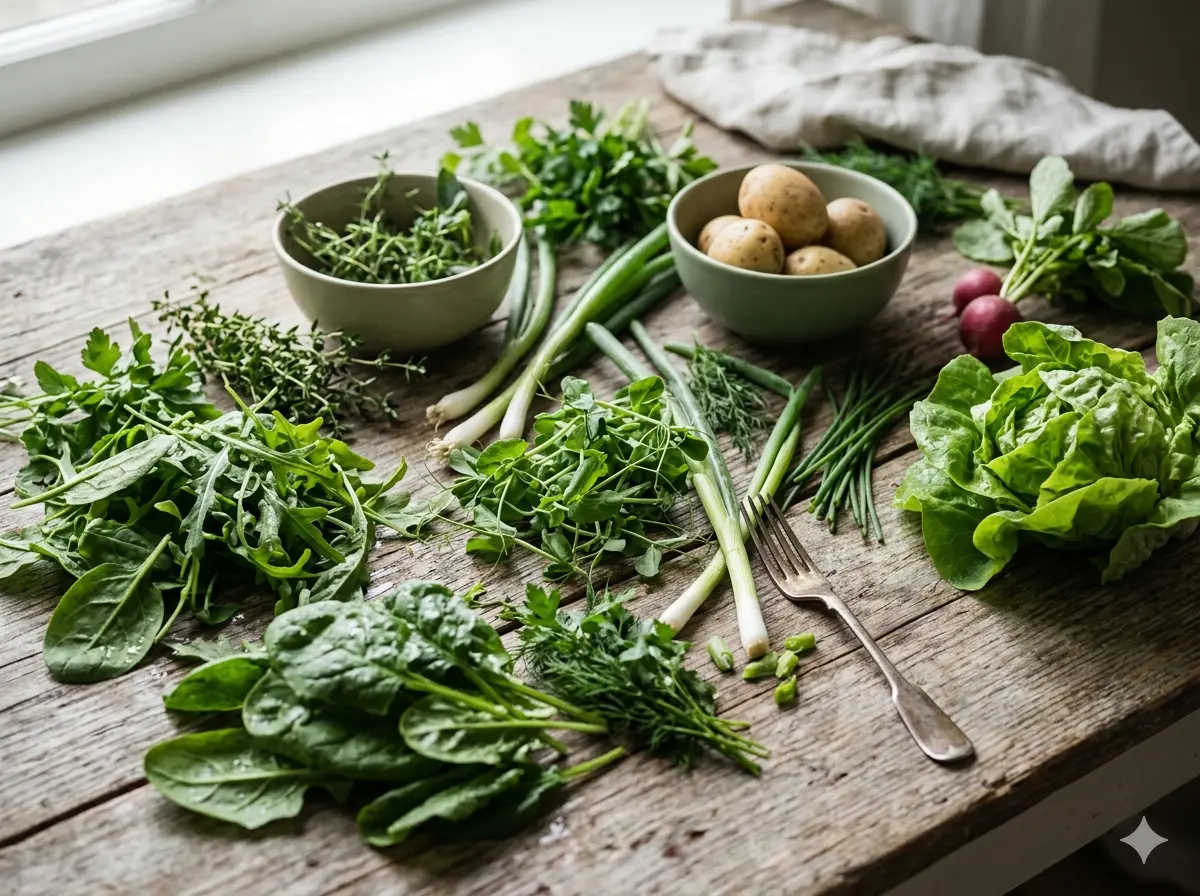
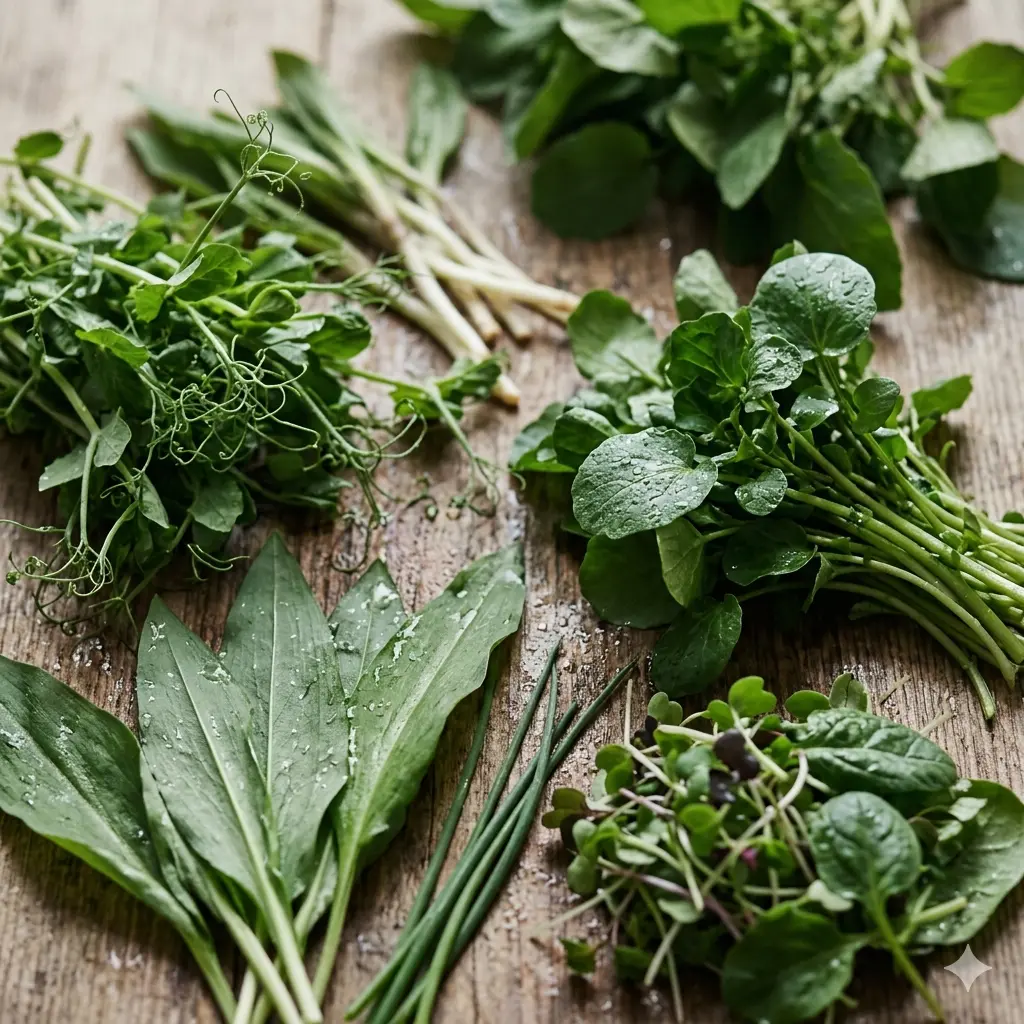
Fresh greens, tender shoots, and light flavors to support growth and renewal.
Explore Spring Foods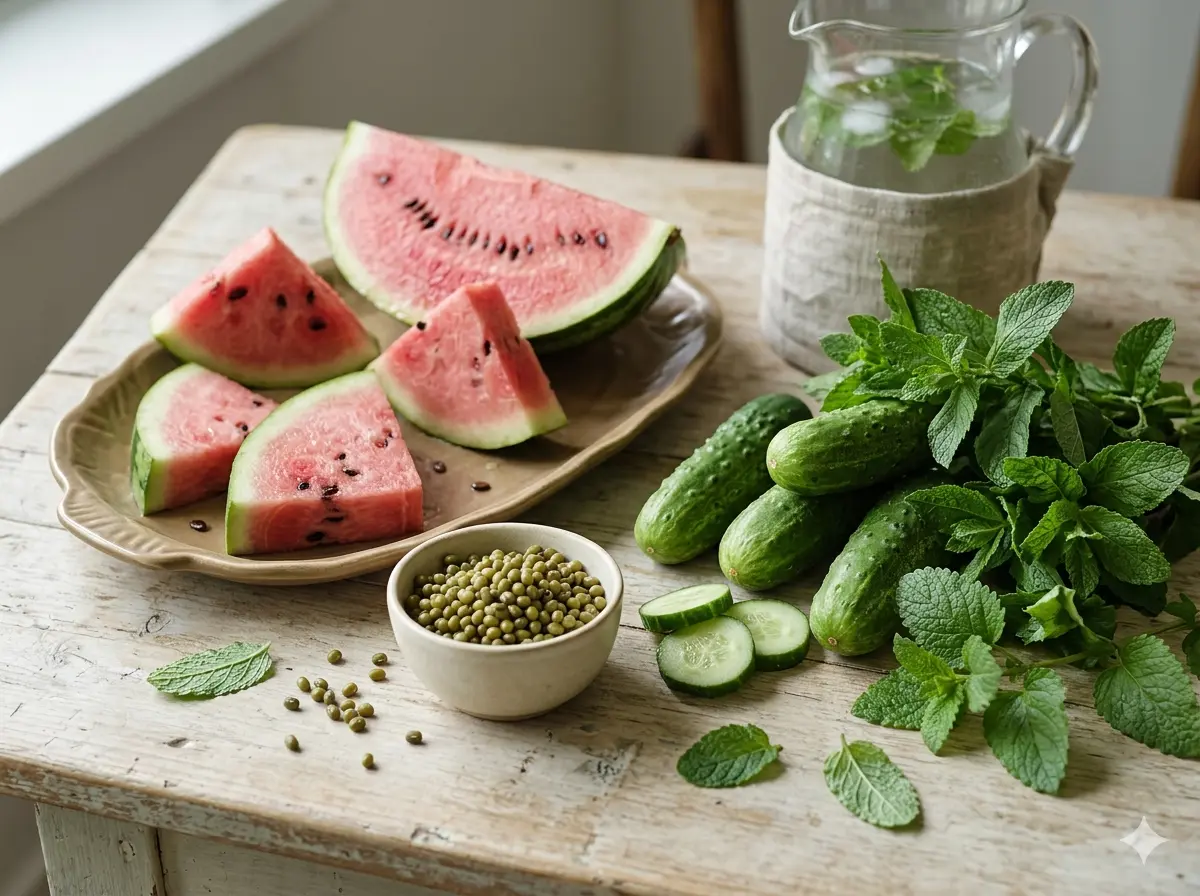
Cool, hydrating foods to nourish, balance heat, and support energy.
Explore Summer Foods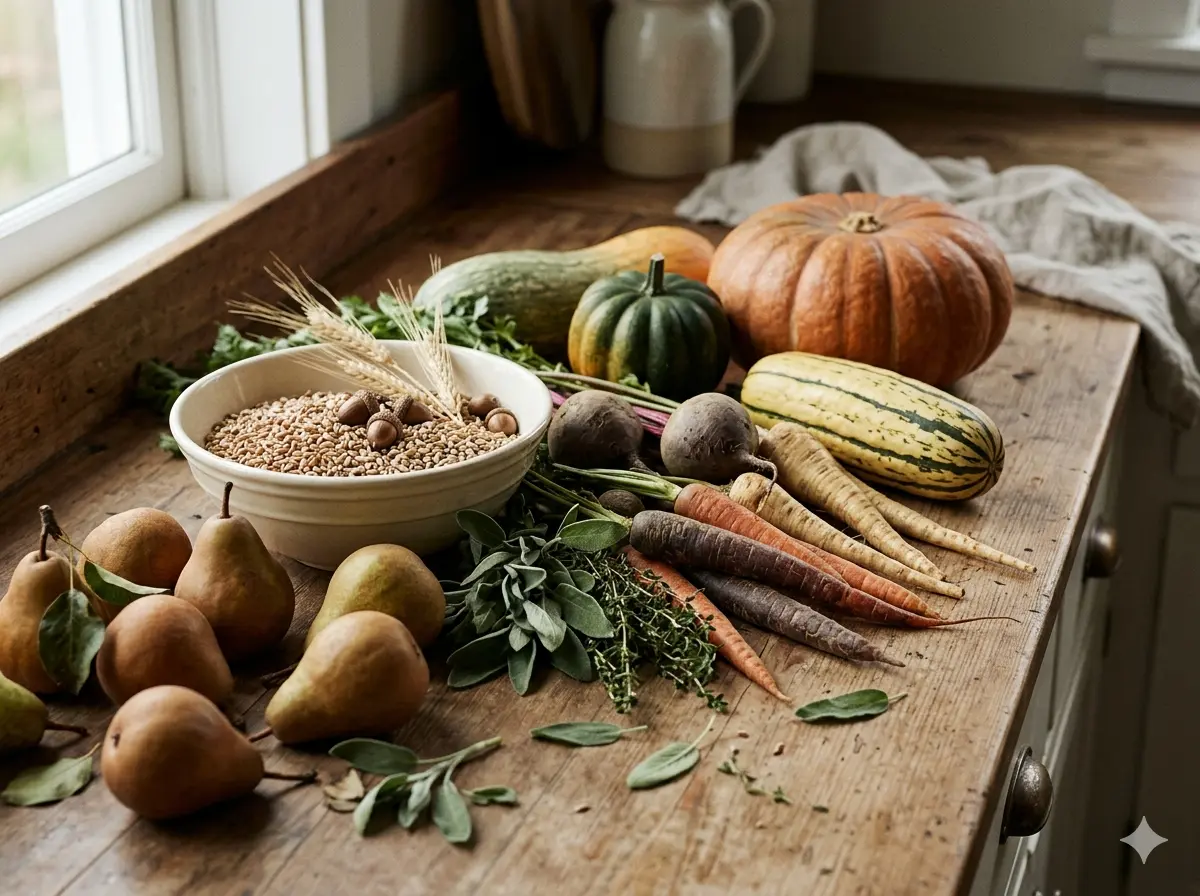
Moistening, grounding foods to support harvest, clarity, and inner balance.
Explore Autumn Foods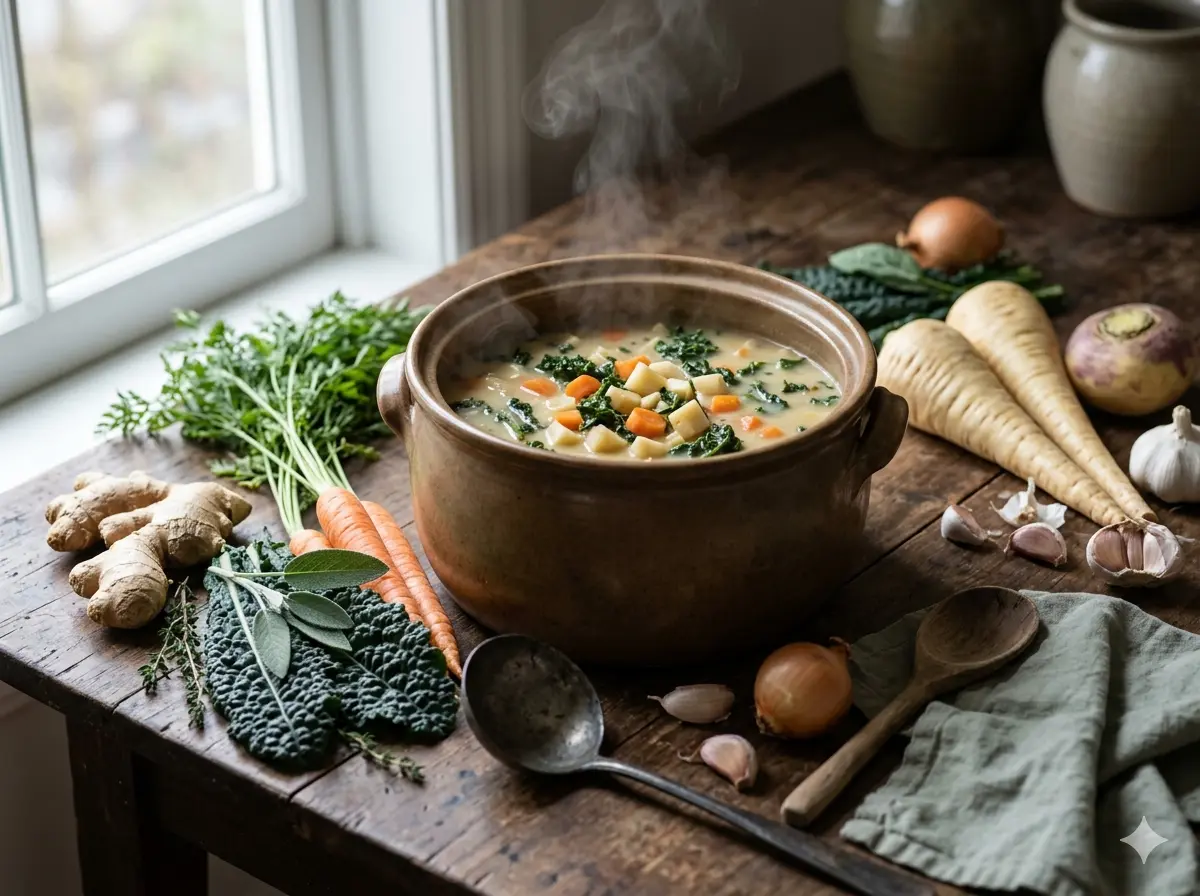
Warm, nourishing foods to build reserves and support rest and recovery.
Explore Winter FoodsEach page in this system has one job. Current shows you where we are now. Cycle maps the full year. Term pages give you specific actions. Subsites provide deep knowledge. Living abstracts the long-term pattern. Atlas explains why it all works. Start at Current, then follow the path.
now — what to do right now
full year structure — browse all 24 terms
detailed action — what to eat, move, grow, observe
deep knowledge — food science, body practice, ecology
long-term system — Eat / Move / Grow / Observe
worldview — why seasonal practice works
This page is not another term page. It is the routing logic for the whole system: where to enter, when to deepen, and when to shift from action to explanation.
| Step | What it gives you | When to use it |
|---|---|---|
| Current | The active solar term and one action to try now | Every visit; your default entry point |
| Cycle | Where you are in the full 24-term year | When you want to see the big picture or what changed |
| Term | Detailed actions, observations, and context for one term | When you want depth on the current seasonal window |
| Subsite | Deep practice content: recipes, movements, gardening | When one action leads to wanting full instruction |
| Living | Long-term practice patterns across seasons | When you want principles, not just one-term actions |
| Atlas | Why seasonal practices work — the explanation layer | When curiosity moves from "what" to "why" |
The system works because it repeats. You do not master all 24 terms at once. You return, act, and let the pattern accumulate.
| Moment | What to do | Why it matters |
|---|---|---|
| New term begins | Visit the term page; see what changed from the previous window | Establishes the seasonal context for the next two weeks |
| Choose one action | Pick one Eat, Move, Grow, or Observe suggestion | One is enough; the system rewards consistency over volume |
| Follow deeper link | Go to a subsite for a recipe, movement tutorial, or ecology article | Turns a prompt into real practice with instructional depth |
| Return next term | Come back in roughly two weeks when the term changes | Builds seasonal memory through repeated, timed returns |
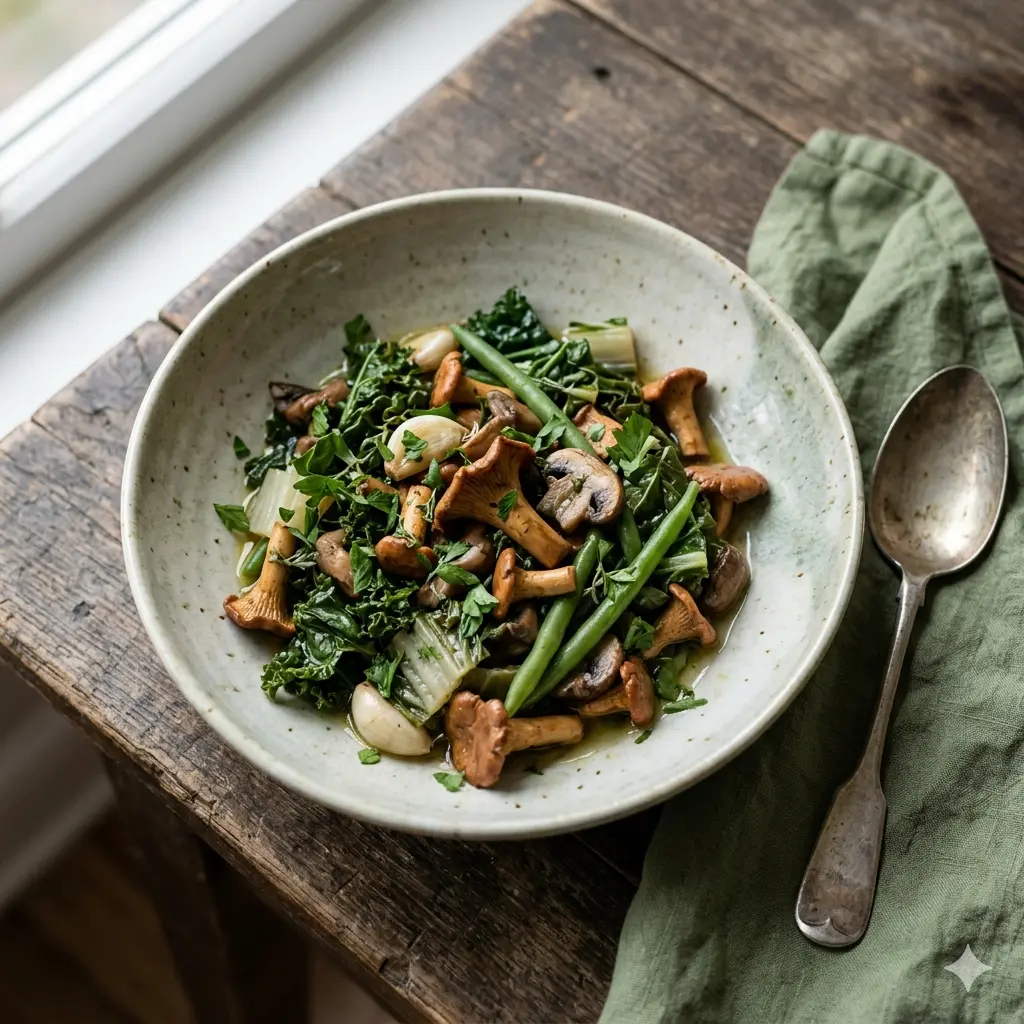
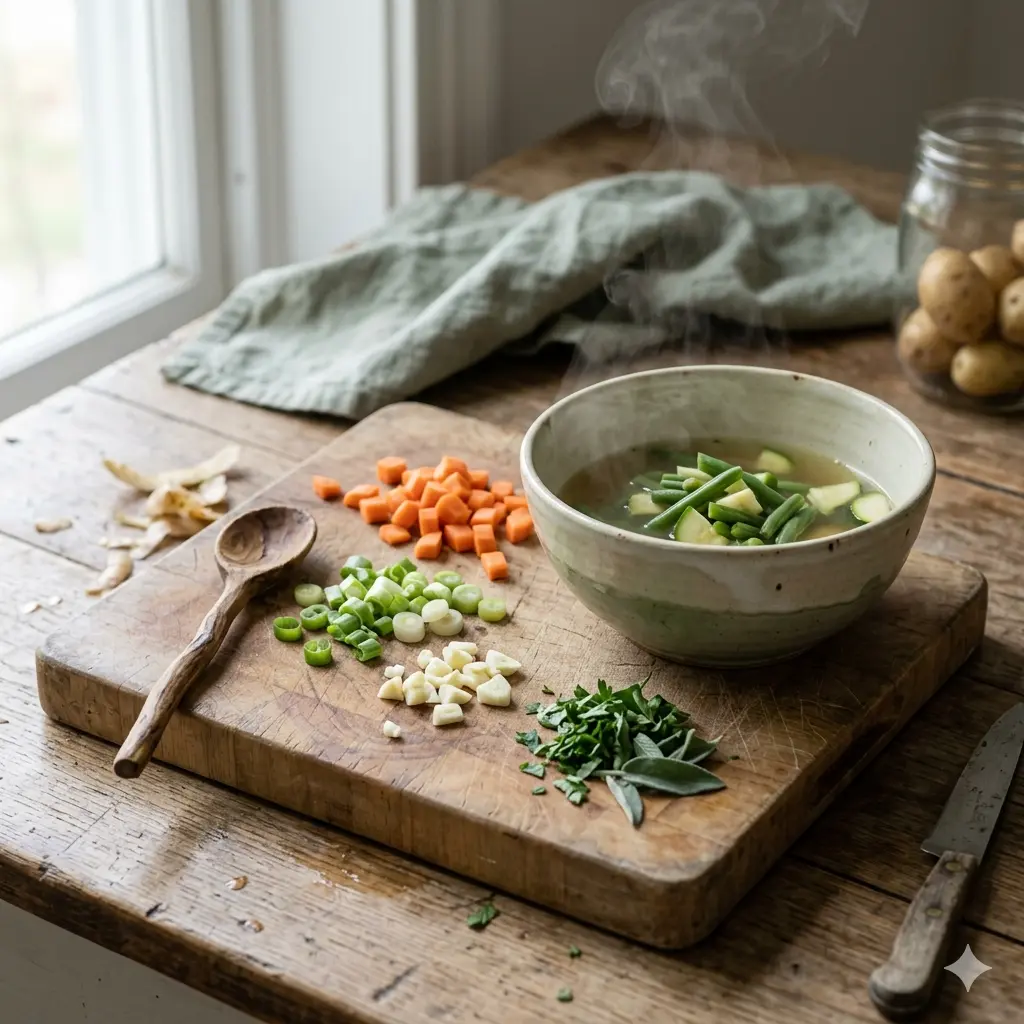
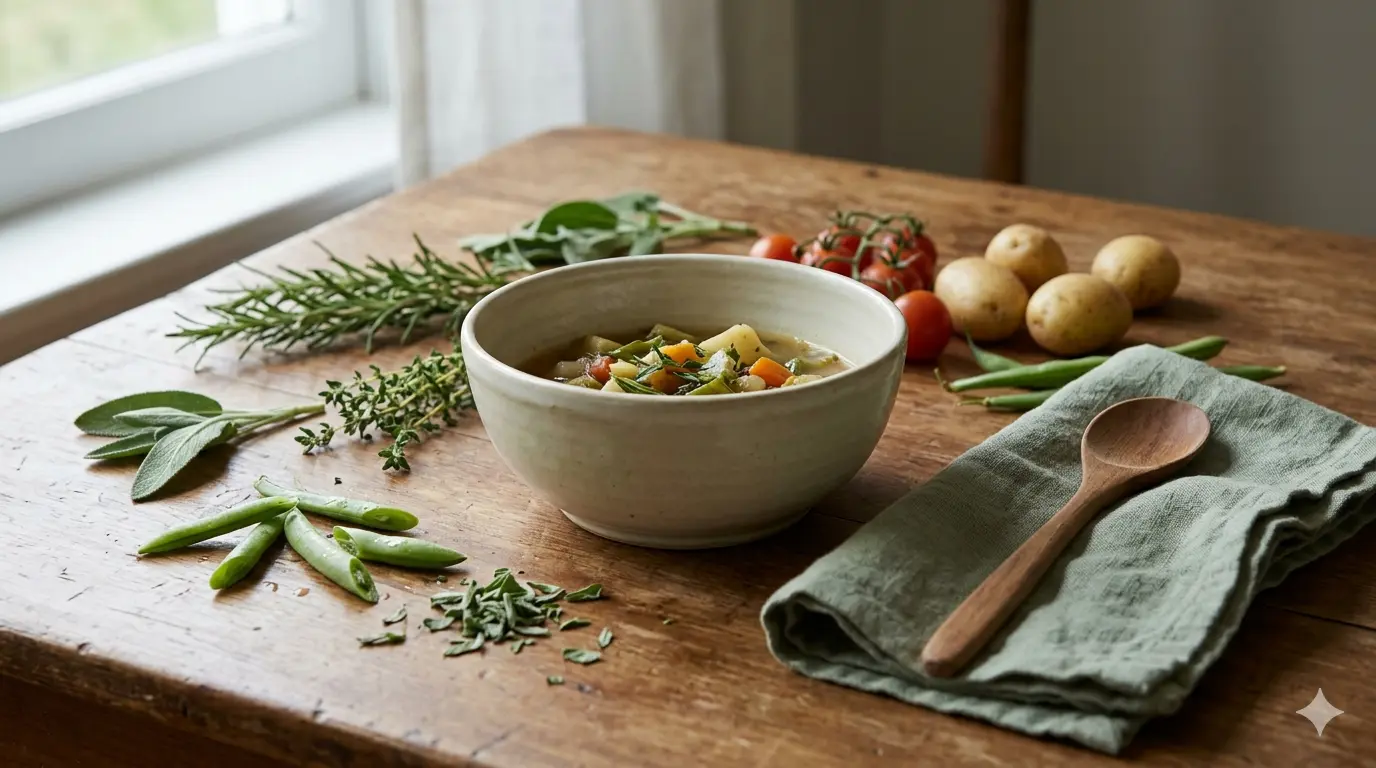
A live example of how the current solar term guides what to eat now, where to start, and why the food logic shifts with the season.
One seasonal recipe and kitchen tip delivered to your inbox.
Movement adapts to the season. Spring calls for opening and expansion. Summer asks for cooling and moderation. Autumn turns inward with breath. Winter preserves with stillness.
Open Current Move PracticeMovement adapts to season. Each solar term changes what the body needs: spring opens outward, summer moderates intensity, autumn turns inward with breath, winter preserves through stillness. The practices are not arbitrary workouts — they are responses to the environment the body is actually moving through.
How to start: go to the current term page. Look for the Move action. Do that one thing. If the practice resonates, you can return to it or explore beginner practices on Tai Chi Wuji.
Gardening follows the same rhythm as eating and moving. Each solar term tells you what to plant, when to harvest, and how to care for the soil beneath your feet.
Open Current Grow GuidanceGardening and the solar calendar share the same logic. Each term tells you what phase the soil, plants, and climate are in: which seeds need sowing, which crops are ready, when to protect against frost or manage water levels. The calendar is not separate from the garden — it is the garden's schedule.
How to start: browse the current term's Grow section. Try the agricultural guidance for that two-week window. For deeper seasonal gardening practice, explore Frugal Organic Mama.
Phenology is the practice of noticing when things happen in the natural world. Each solar term offers specific signals to watch for — buds, birds, insects, and weather shifts.
Open Current Observation PromptPhenology — the practice of noticing seasonal events — turns the calendar into a living observation tool. Each term has distinct ecological signals: the first fireflies of Minor Heat, bird nesting patterns in Grain Rain, frost formations in Frost Descent. These are not decorative details. They are the original data the calendar was built from.
How to start: look at the current term's observation notes. Pick one signal to watch for this week. Write it down. Check again next term. For deeper ecology and animal behavior content, visit Panda Common.
Get one thoughtful email every solar term: one action, one recipe, one movement.