

Key Takeaways
The essentials of Summer Solstice in under a minute.
- This term: Summer Solstice (夏至) is the 10th solar term of the 24-term year, running June 21 – July 6.
- What happens in nature: The longest daylight of the year — over 15 hours at mid-latitudes, with the sun reaching its highest noon altitude
- Why it matters: Every peak contains its opposite — the solstice teaches that maximum is also a turning point.
- Shift since last term: Peak harvest intensity begins to ease as longest day passes
- Moving toward: Heat intensifies even as days begin shortening
- Start here: Begin with Tai Chi for Stress Relief: A Nervous-System Downshift.
Core Definition
The longest day of the year. Yang energy peaks, then begins its subtle turn toward yin.
Every peak contains its opposite — the solstice teaches that maximum is also a turning point.
Transition
How this term sits between what came before and what comes next
- ←Peak harvest intensity begins to ease as longest day passes
- →Heat intensifies even as days begin shortening
- →Monsoon patterns establish
Phenology
What is happening in the natural world
Eat
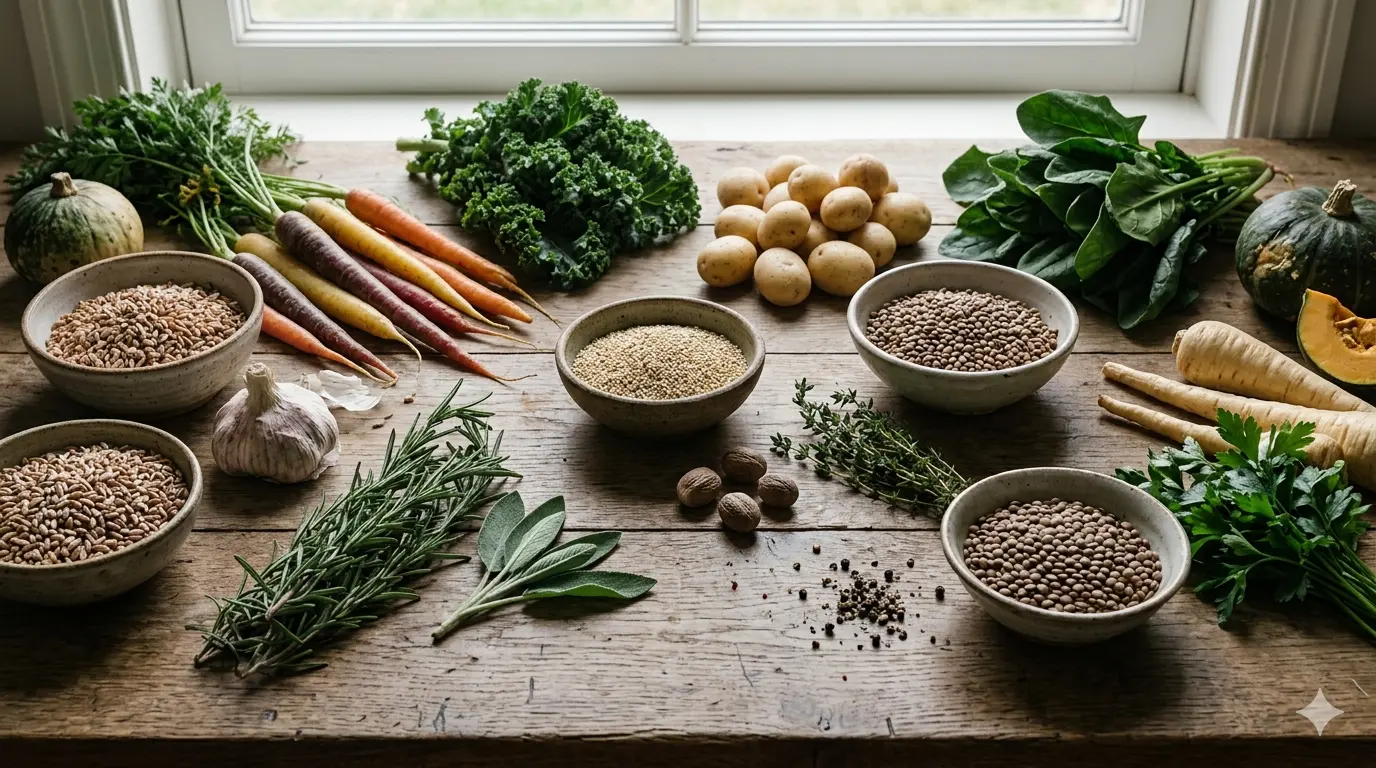
Cook It
The ingredients below are in season now, with how to actually cook them.
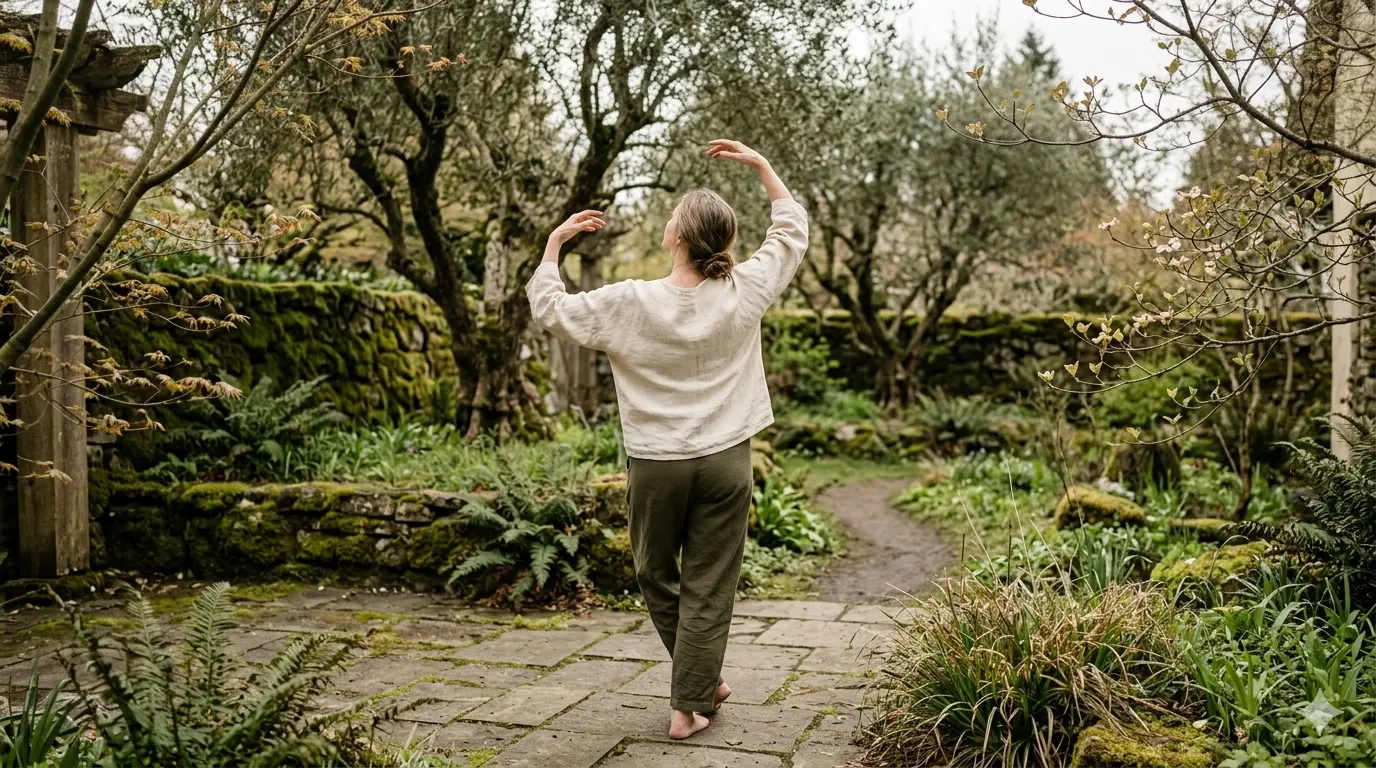
Move
Grow & Cultivate
- Irrigation becomes the primary daily task — water demand peaks as both temperature and plant transpiration reach maximum
- Install shade cloth over heat-sensitive crops (lettuce, spinach, cilantro) to delay bolting by 7-10 days
- Begin harvesting early summer vegetables at first light — produce picked cool stores longer and crisper
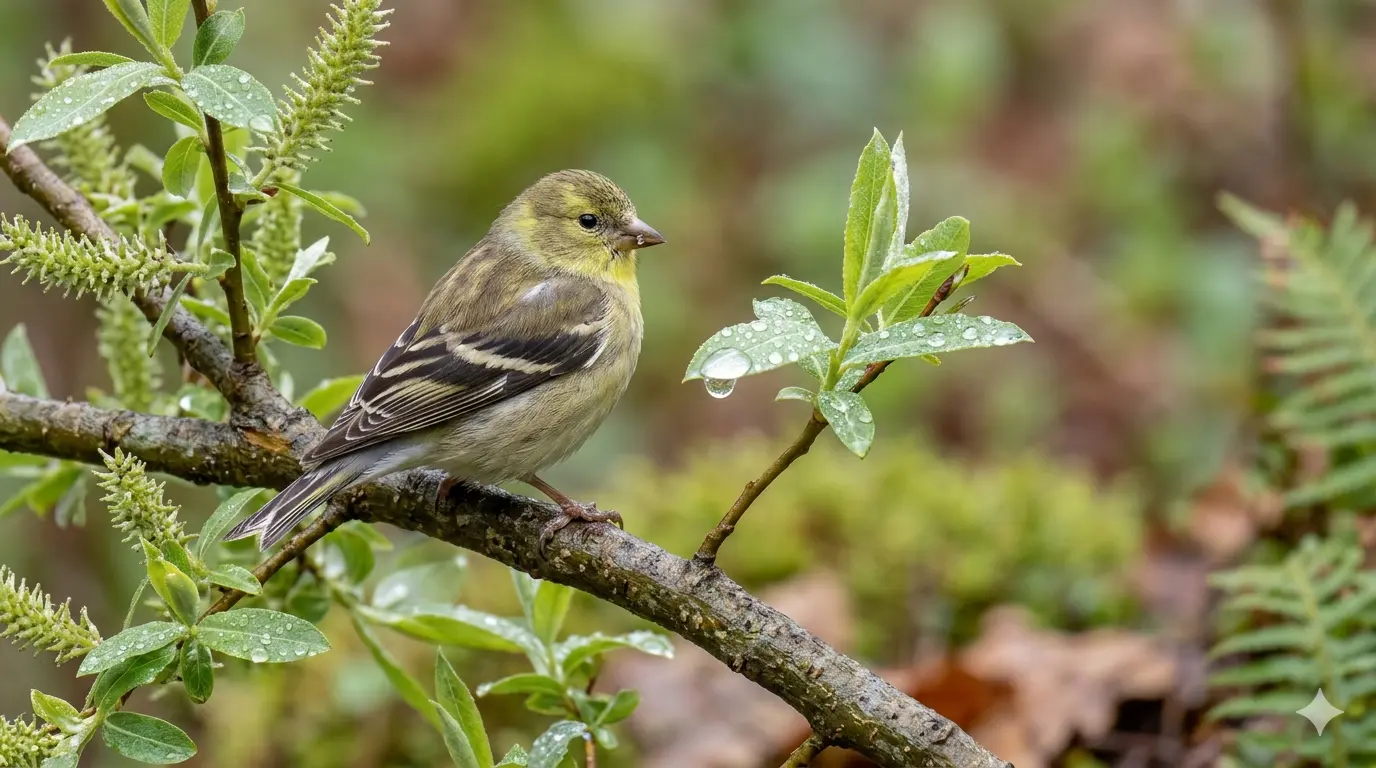
Ecology Signals
Animal behavior, migration, habitat changes
Firefly displays reach maximum intensity — synchronized flashing begins 30 minutes after sunset in warm, humid evenings above 25°C
Lotus flowers reach full bloom on still ponds — each flower opens at dawn and closes by mid-afternoon, lasting 3-4 days
Lactating female bats emerge at dusk in large numbers, each consuming insects equal to their body weight nightly to sustain milk production
Reflection
“At every peak, the descent has already begun — the longest day is also the day the light starts leaving. This is not sad. It is reliable”
“Rest in the longest light — the body's need for stillness does not disappear just because the sun stays up. Effort is seasonal, not constant”
Taoist Reflection
This term's seasonal wisdom echoes a deeper theme in Taoist philosophy. Explore it further on Tales With Lee:
Reversal in Taoism: Why Life Turns Exactly Where We Stop Expecting ItSeasonal Essay
A deeper look at this solar term
The summer solstice brings the longest day of the year. Sunlight reaches its maximum, and the natural world operates at full capacity. But there is a paradox built into this moment: at the exact point of greatest yang, the shift toward yin begins. The days will now shorten, even as the heat continues to build. As the tenth of the 24 solar terms, the solstice is one of the four astronomical anchors that sit at each season’s centre.
This principle — that extremes contain their opposites — runs through Chinese natural philosophy. The solstice teaches that rest is not the opposite of activity but its natural consequence. After the peak comes the slow, inevitable descent.
In food, the solstice calls for cooling: cucumber, mung beans, watermelon, mint. Dishes that don’t heat the body further. In movement, the emphasis shifts from vigorous expansion to gentle preservation — evening walks, short floor practices, breath work that doesn’t overheat. The goal is not to match the sun’s intensity but to sustain yourself through it.
The practical expression of this restraint is a small set of cooling practices repeated daily. Sheetali Cooling Breath — drawing air in over a curled tongue — produces a cooling sensation as the air passes over the damp tongue, a simple thermal-comfort practice and the season’s most direct tool. A fifteen-minute Yin-Restoring Evening Practice, done before the day’s heat fully dissipates, supports the body’s natural cooling better than any attempt to fight the sun with exertion. An evening walk taken slowly, without destination, moves the body through the coolest hours while keeping the heart rate low. Effort is seasonal, not constant — the body’s need for stillness does not disappear just because the sun stays up longer.
The natural world confirms the season’s intensity with phenomena that are at once spectacular and brief. In Eastern China, lotus flowers open on still ponds at dawn and close by mid-afternoon — each bloom lasting only 3-4 days. Fireflies appear roughly 30 minutes after sunset, their synchronized flashing continuing for two to three hours on warm evenings. Cicadas sing at maximum volume through the hottest hours, while lactating bats emerge at dusk, each consuming insects equal to its own body weight every night to sustain milk production. Overhead, afternoon thunderstorms build from convective heating — the atmosphere’s own response to the day’s accumulated warmth.
In the garden, the solstice is a peak of maintenance rather than planting. Irrigation becomes the critical daily task as soils reach their seasonal maximum temperature at 15-20 cm depth, accelerating decomposition and drying. Shade netting delays bolting in lettuce and leafy greens by 7-10 days, and harvesting happens in the cool of early morning rather than midday heat. Everything works, and everything must be sustained — which is exactly the solstice’s teaching. After this peak, the descent is slow but certain, and the deeper pattern of this turnaround is explored in the Atlas essay on natural rhythm. Summer solstice traditions carry the awareness forward, while our equinox and solstice guide places the turn in the context of the whole year — just as Minor Heat, coming next, will build on it through the weeks ahead.
Frequently Asked Questions about Summer Solstice
Quick answers to common questions about Summer Solstice (夏至) — its dates, foods, and natural signs.
What is the Summer Solstice (夏至) and why is it significant?
Summer Solstice (夏至, Xiàzhì) is the tenth solar term, marking the longest day of the year when sunlight reaches its maximum and the sun reaches its highest noon altitude. In the 24 solar terms system, it carries a profound philosophical teaching: at the exact point of greatest yang, the shift toward yin begins. The days will now shorten, even as the heat continues to build. This principle — that extremes contain their opposites — runs through Chinese natural philosophy.
When does Summer Solstice occur and what astronomical event defines it?
Summer Solstice typically falls around June 20–22 each year and lasts about 15 days until Minor Heat (小暑). In 2026, it runs from June 21 to July 6. Astronomically, it is the moment when the sun reaches its northernmost point relative to the celestial equator, resulting in over 15 hours of daylight at mid-latitudes (see Wikipedia, 'Summer solstice'). The sun's noon altitude is at its annual maximum, and solar radiation reaching the Northern Hemisphere peaks.
What traditional foods are recommended during Summer Solstice?
Summer Solstice foods emphasize refreshing, hydrating eating. Traditional recommendations include chilled cucumber salad with sesame, cooling mung bean soup (one of the most traditional summer remedies), and watermelon with mint and lime. Dishes should not heat the body further — avoid heavy cooking methods and warming spices. Cold noodles, fresh fruits with high water content, and lightly dressed vegetables are ideal for supporting the body through the longest, hottest days.
What wellness practices are recommended for the solstice period?
The solstice calls for a shift from vigorous expansion to gentle preservation. Recommended practices include Yin-Restoring Evening Practice (short, 15-minute sessions that feel cooling in the evening heat), Cooling Breath (Sheetali Pranayama — a yogic breathing technique that produces a cooling sensation as air passes over the damp tongue), and Summer Evening Walk Meditation. The goal is not to match the sun's intensity but to sustain yourself through it. Effort is seasonal, not constant — the body's need for stillness doesn't disappear just because the sun stays up longer.
What natural phenomena define the Summer Solstice?
Summer Solstice brings peak summer phenomena: lotus flowers bloom on still ponds across East Asia (each flower opens at dawn and closes by mid-afternoon, lasting only 3-4 days); lightning bugs at peak activity with synchronized flashing beginning 30 minutes after sunset; cicadas singing through the hottest hours at maximum volume; bats emerging at dusk in large numbers (lactating females consume their body weight in insects each night); and afternoon thunderstorms building from convective heating. The natural world operates at full capacity.
Summer Solstice is part of The Way of Nature Atlas — a broader exploration of ecological wisdom.