Why This Exists
Most of us live detached from seasonal rhythm. We eat strawberries in December. We run air conditioning from May through October. We stop noticing what is happening outside because modern life has made it optional to pay attention to the seasons at all.
Dao of Seasons is a small, specific intervention. It takes the 24 solar terms — a calendar system built on direct observation of climate, growth, and life patterns — and turns them into a two-week practice loop: check the current term, do one thing, repeat.
This is not cultural tourism. It is not ancient wisdom dressed up for engagement metrics. It is an attempt to reconnect daily choices — what to cook, how to move, when to plant, what to watch for outdoors — with the natural rhythm that shaped human bodies and minds over thousands of years.
System Architecture
The Way of Nature Atlas
The worldview layer. Atlas explains why seasonal practices work. It organizes knowledge into Concepts, Systems, and Domains — the conceptual and ecological foundation that gives every seasonal recommendation its reasoning.
Visit Atlas →Dao of Seasons (this site)
The time layer. Dao of Seasons answers what to do right now. It turns the 24 solar terms into a practical interface — two-week windows of specific, testable actions — and distributes depth to subsites that specialize in food, body, earth, and ecology.
Subsites
Missing Umami (food science), Tai Chi Wuji (body practice), Frugal Organic Mama (gardening), Tales With Lee (story), Panda Common (ecology). Each site goes deep on one domain.
Domains
Food, Body, Earth, Story. These four domains organize the entire system. Each solar term touches all four. Each subsite specializes in one or two.
Methodology
Observation, Not Authority
Our recommendations are based on observable natural patterns and traditional knowledge, not on appeals to authority or unverifiable claims. If a practice works, you will notice the difference.
Action Over Explanation
Each term page prioritizes one or two simple actions over long explanations. The system is designed to be used, not studied. Deeper understanding follows from repeated practice.
Modern, Not Mystical
We translate Chinese natural philosophy into modern English without exoticizing it. The goal is to make seasonal wisdom accessible and testable — not to perform cultural mystery.
Networked, Not Isolated
Dao of Seasons does not try to contain all knowledge. It defines the rhythm and distributes depth to dedicated subsites. The value is in the connections, not in any single page.
Contributors
The seasonal content on Dao of Seasons is shaped by a network of writers, researchers, and practitioners — each with a distinct voice rooted in nature observation, traditional knowledge, and lived practice.
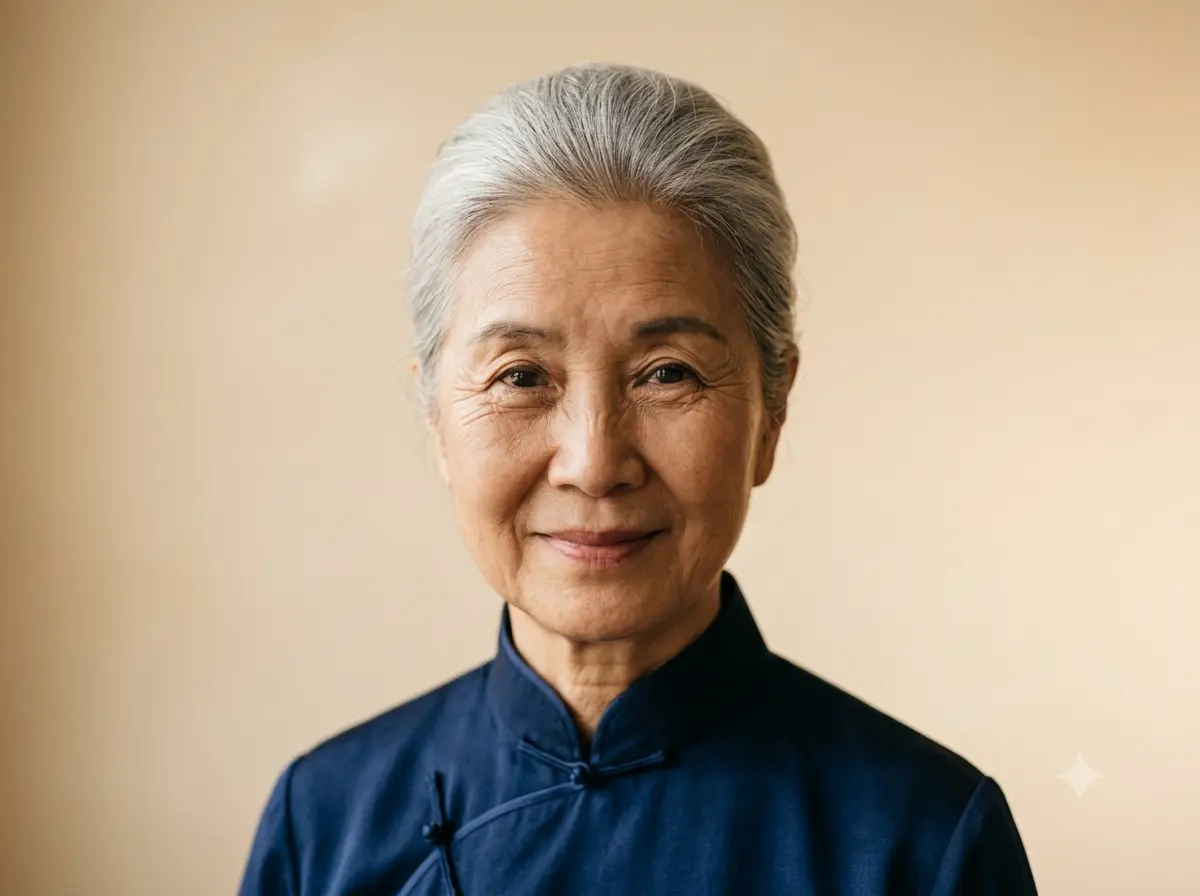
An Shizhen 安时珍
Professor at China Academy of Chinese Medical Sciences, founder of Chinese Medical I-Ching Studies, and author of over 100 books spanning medicine,养生 (health preservation), history, and philosophy. Her 'Joyful Eating: 24 Solar Term Health Recipe Book' translates ancient seasonal eating wisdom into practical everyday recipes using supermarket ingredients.
Chen Liwei
A ritual and attention voice exploring tea, pacing, observation, and the slower forms of seasonal learning.
Dr. David Abram
A story-facing ecological voice linking attention, language, and the more-than-human world.
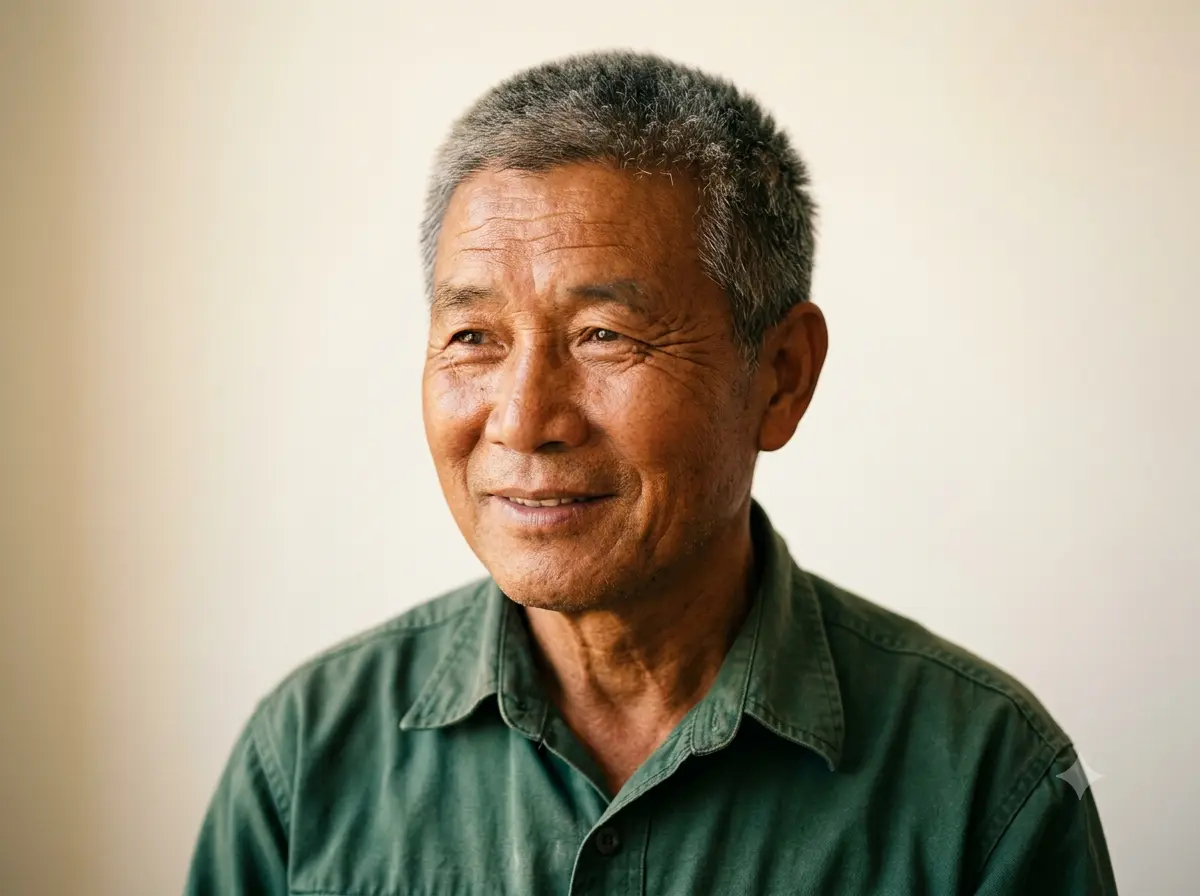
Tian Gengsheng 田耕生
Senior agronomist at the Beijing Agricultural Technology Extension Station with 50+ years in vegetable cultivation. Author of 'Learning to Garden by the Solar Terms.' Spent 15+ years restoring traditional Beijing vegetable varieties to bring lost flavors back to the table.
Zhang Jun
A folklore-centered voice focused on cultural memory, transmission, and the stories that keep seasonal knowledge alive.
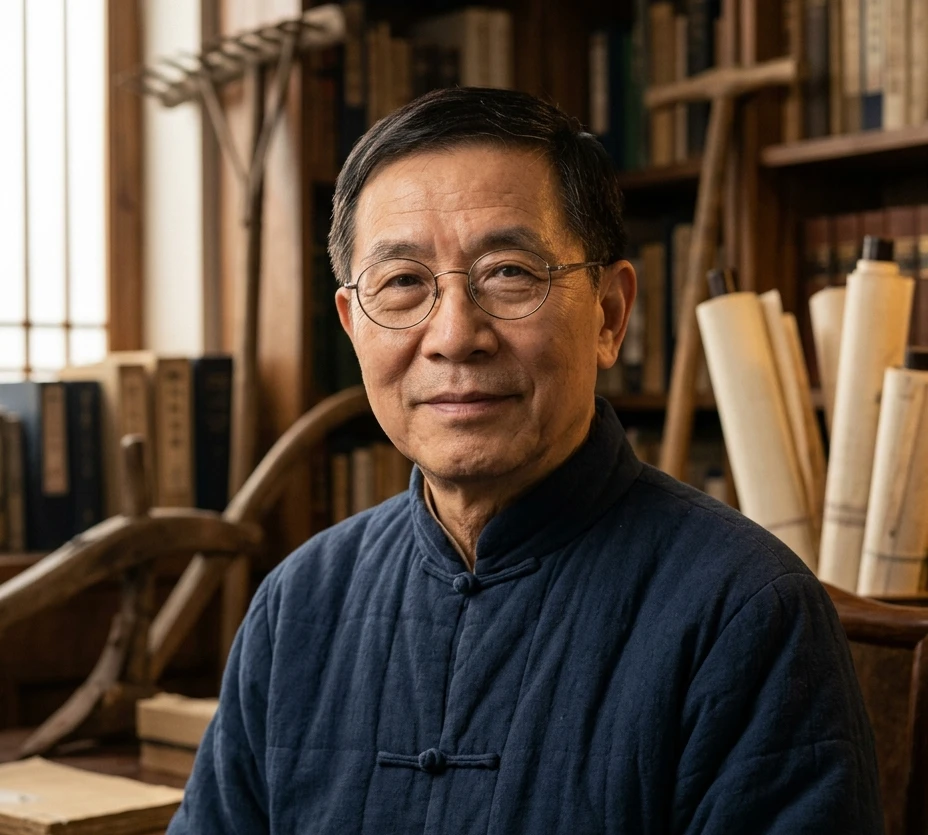
范存志 Fan Cunzhi
Senior research librarian at the China Agricultural Museum, Secretary-General of the 24 Solar Terms Protection Alliance. Specializes in agricultural history, farming civilization, and the application of solar term wisdom in agricultural practice.
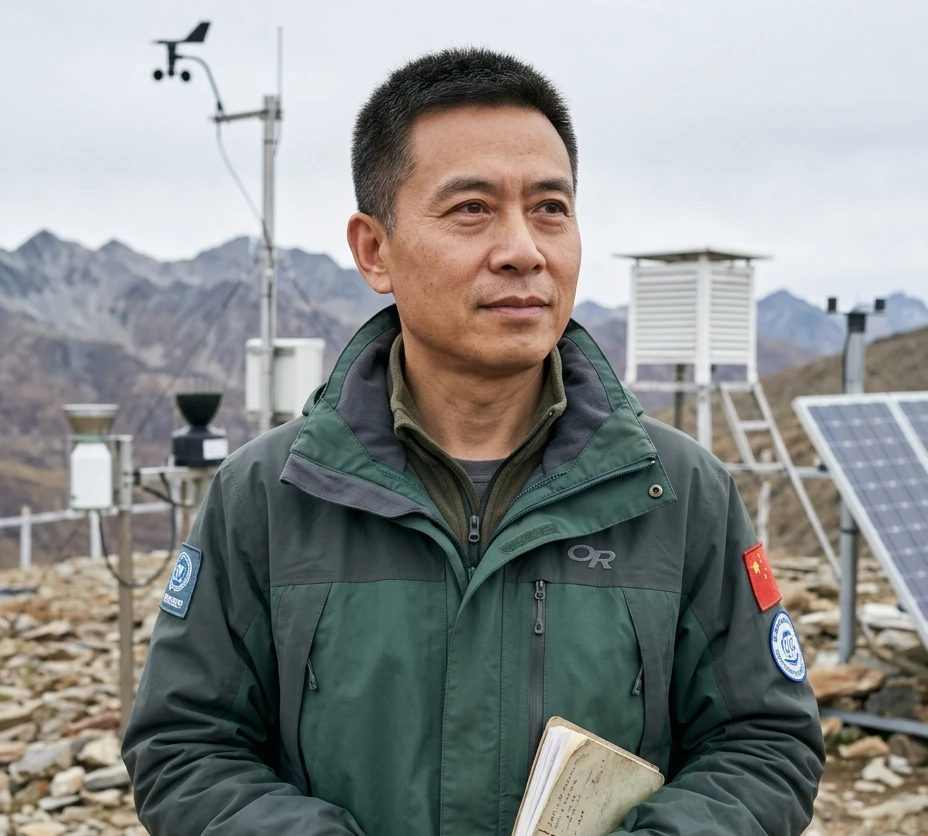
龙云廷 Long Yunting
Director of the China Meteorological Administration Key Laboratory for the 24 Solar Terms, chief meteorological service expert, and former host of CCTV Weather Forecast. Researches the 24 solar terms through climate data analysis.
The best way to understand Dao of Seasons is to use it. Start from the current term and do one thing.